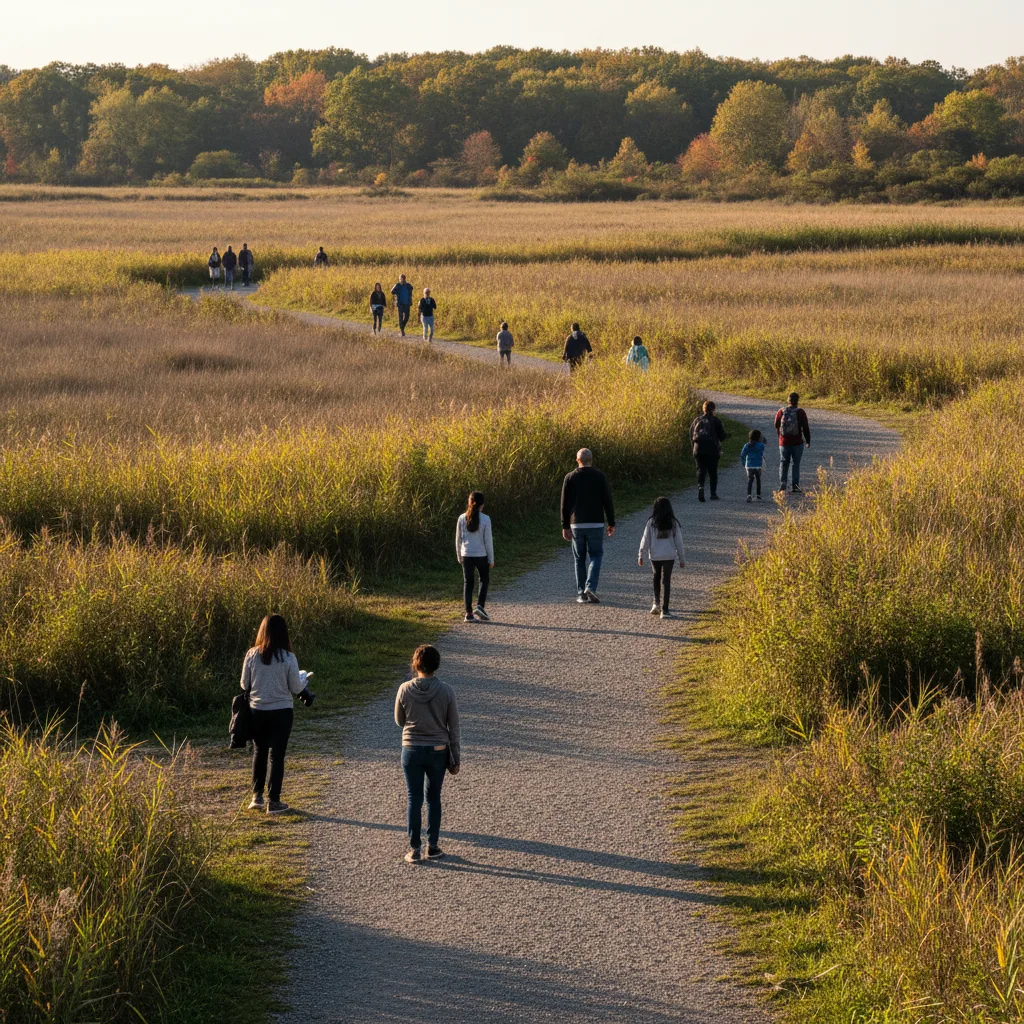
Appellate Judge Clears Path for Vetrano Killer's Appeal By Newstrix | August 4, 2026 | Public Safety & Crime NEW YORK — An appellate judge on Monday cleared the way for the man convicted of sexually assaulting and murdering Howard Beach jogger Karina Vetrano to continue pursuing his appeal. This decision comes more than a decade after Vetrano's body was discovered in Spring Creek Park, reigniting discussions about the case's legal complexities. Legal Battle Continues for Vetrano's Killer The ruling specifically addresses claims of a "racial dragnet" during the initial investigation that led to Chanel Lewis's conviction. Legal experts are closely watching the proceedings, noting the potential implications for future cases involving similar investigative tactics. Lewis was found guilty in 2019 of sexually assaulting and brutally murdering Vetrano, whose body was found in a marshy area near her Howard Beach home in August 2016. The case has been a focal point for the Howard Beach community, sparking widespread outrage and calls for justice. "Racial Dragnet" Claim Under Scrutiny Central to the appeal is the defense's argument that law enforcement engaged in a "racial dragnet" to identify suspects. This claim suggests that police unfairly targeted Black men in the area following the highprofile murder, raising questions about due process and equal protection. The appellate judge's decision to allow this aspect of the appeal to move forward indicates that the court views these claims as substantial enough to warrant further review. The outcome could set important legal precedents regarding police practices in sensitive investigations, according to the New York Daily News. Timeline of a Tragic Case Karina Vetrano, a 30yearold speech pathologist, disappeared while on a run near her Howard Beach home on August 2, 2016. Her father discovered her body hours later in a secluded part of Spring Creek Park, a natural area often used by local joggers. Investigators faced immense pressure to solve the case, which drew national attention. After months of searching, Chanel Lewis was arrested in February 2017, largely based on DNA evidence found at the crime scene. The legal proceedings that followed were protracted, with an initial mistrial before a second conviction. Community Reaction and Ongoing Impact The Howard Beach community has remained deeply affected by Vetrano's murder, with residents frequently revisiting the emotional toll of the tragedy. Many residents remember the intense fear and sorrow that gripped the neighborhood in the days and weeks after her death, leading to increased vigilance and community patrols. The ongoing legal appeals ensure that the case remains a topic of discussion, particularly among those who knew Karina and her family. For many in Howard Beach, the legal process has been a prolonged journey toward finding lasting peace for the victim's family, as reported by the New York Daily News. Broader Implications for Justice System The appellate court's willingness to review claims of a "racial dragnet" highlights broader concerns about investigative methods and potential biases within the justice system. Legal advocacy groups have frequently pointed to such cases as examples of practices that disproportionately affect minority communities. This aspect of the appeal could have significant implications beyond the Vetrano case itself, potentially influencing how similar highprofile investigations are conducted in the future. The community hopes for a resolution that upholds justice for all, reflecting the values of fairness and equity. Frequently Asked Questions What are the next steps in Chanel Lewis's appeal process? The appellate judge's decision means that Lewis's legal team can now proceed with arguments regarding the "racial dragnet" claim. This will likely involve further legal filings, hearings, and potentially the presentation of additional evidence or arguments before the appellate court makes a final ruling on the merits of the appeal. How can community members stay informed about the appeal's progress? Local news outlets, including the New York Daily News, will continue to report on significant developments in the case. Community organizations might also host informational meetings or discussions to keep residents updated on the legal proceedings and their broader implications for the Howard Beach area and beyond.