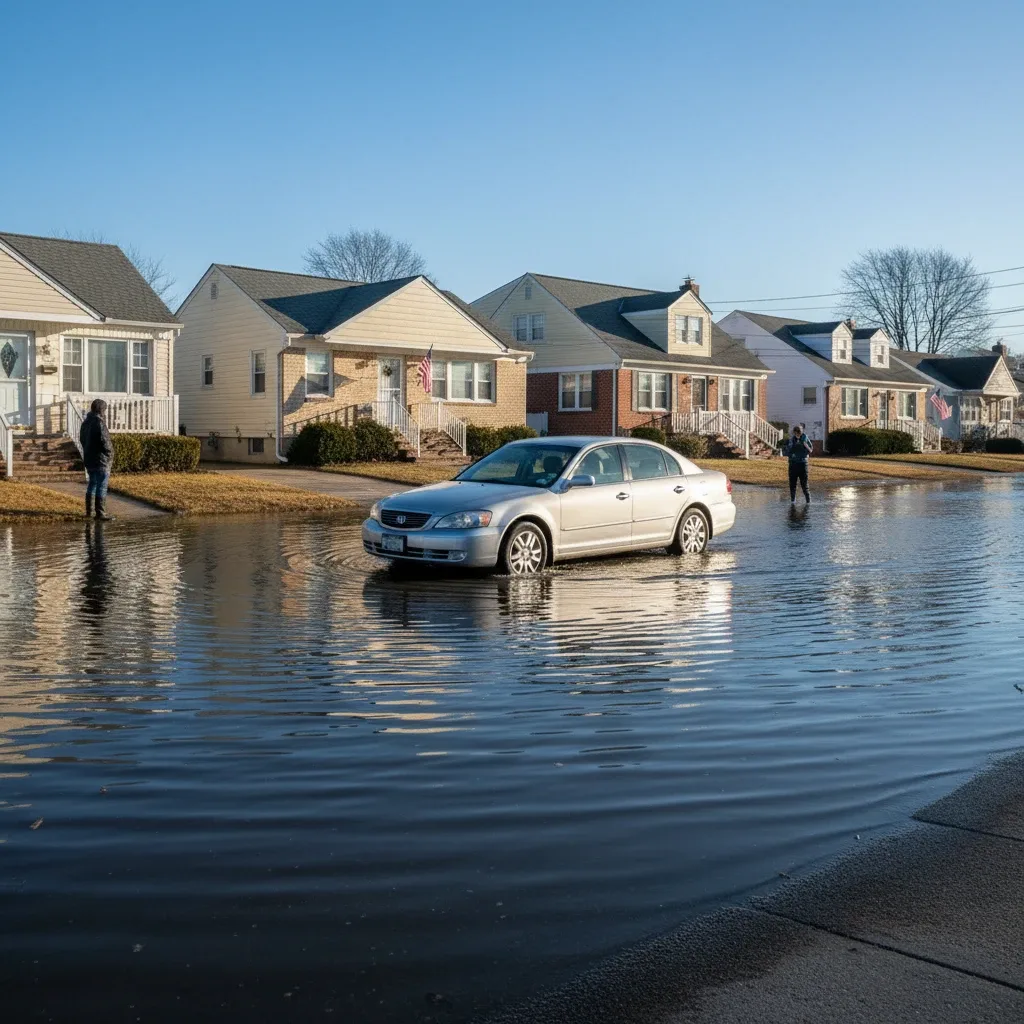
City Engineers Record Tidal Flooding Across Old Howard Beach By Newstrix | June 12, 2026 | Environment NEW YORK — High tides surged into the streets of Old Howard Beach and Hamilton Beach on Tuesday morning, leaving several residential roads impassable, according to the Queens Daily Eagle. The saltwater flooding reached depths of twelve inches within an hour, forcing drivers to seek alternate routes along Cross Bay Boulevard. The rapid flooding event occurred during a seasonal high tide cycle, catching many morning commuters unprepared as water spilled over coastal bulkheads. City drainage pumps were activated at maximum capacity, but the sheer volume of water overwhelmed the local infrastructure. Monitoring the Tide Levels Along Hawtree Basin Local homeowners have expressed growing frustration with the frequency of these highwater events, which now occur even on clear days, according to the Queens Daily Eagle. The localized flooding regularly submerges driveways and damages parked vehicles along the lowlying avenues. Department of Environmental Protection officials reported that the neighborhood's low elevation makes it highly susceptible to tidal backflow through the sewer system. When the tide rises, salt water flows backward through the drainpipes and floods the asphalt. Municipal Response and Infrastructure Mitigation Projects "We are actively designing a series of tidal checkvalves to prevent Jamaica Bay water from pushing back into neighborhood streets," NYC DEP Commissioner Rohit Aggarwala said during a community board meeting. Aggarwala noted that the engineering phase is scheduled to conclude by the end of the year. The planned infrastructure upgrades will include raising bulkheads at key street ends and installing heavier backflow preventers. Residents have campaigned for these physical changes for several seasons as high tides continue to encroach on residential properties. Local Flood Mitigation and RealTime Environmental Tracking Local environmental groups have urged residents to utilize digital monitoring tools to anticipate future highwater events before they impact local streets. Families are increasingly turning to online resources like to protect their personal property. These realtime platforms compile tidal gauge data from Jamaica Bay to provide accurate hourly flood projections for vulnerable blocks. Utilizing this data allows car owners to relocate their vehicles to higher ground before highwater cycles begin. Historical Flood Trends in South Queens Coastal Communities Old Howard Beach has battled tidal encroachment since its initial development on filled marshland in the early twentieth century. Over the past twenty years, the average number of hightide flooding days has nearly doubled, according to municipal environmental reports. The vulnerability of the neighborhood was severely exposed during major historical storms, which permanently altered the local approach to shoreline defense. Since then, the city has invested millions in regional coastal barriers, though streetlevel flooding remains a persistent challenge. LongTerm Adaptation Strategies for Coastal Residents The Queens Borough President's office is currently reviewing a comprehensive coastal resilience plan that would fund private bulkhead repairs for eligible homeowners. The proposed grant program could provide up to twenty thousand dollars per property to reinforce aging waterfront barriers. Civic associations are also pushing for the installation of green infrastructure, such as bioswales, to help absorb excess street runoff during heavy rain events. The next public hearing on these environmental proposals is scheduled for June twentyfourth at the local library. Frequently Asked Questions What causes tidal flooding in Howard Beach when there is no rain? This phenomenon, often called sunnyday flooding, occurs when exceptionally high tides push salt water backward through the storm sewer system. Because the neighborhood is built on lowlying filled wetlands, the water rises directly out of the street drains. How can residents protect their vehicles during high tide cycles? Car owners should monitor local tide tables and move their vehicles to higher ground, such as Cross Bay Boulevard, when major tidal surges are predicted. Parking on elevated driveways or using temporary flood barriers can also help prevent costly saltwater damage.