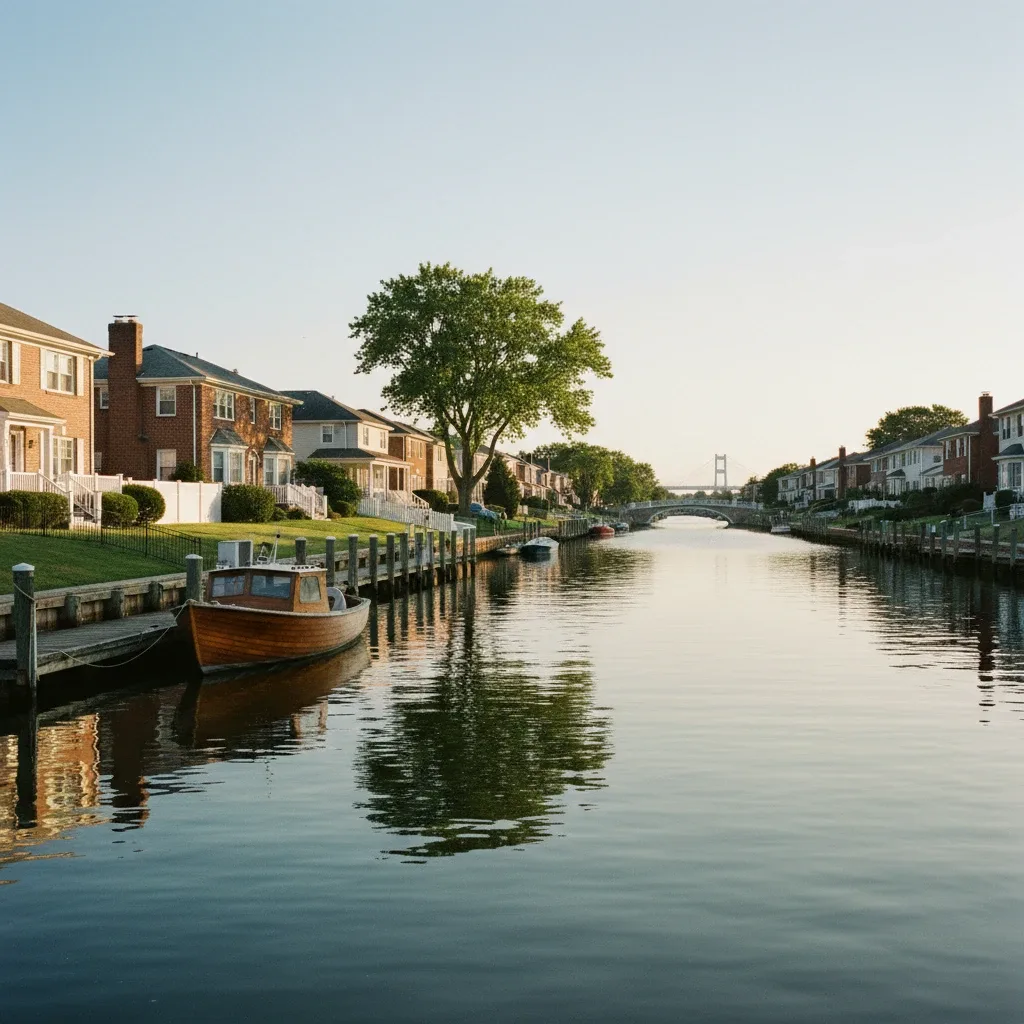
New York Allocates $4.5 Million to Mitigate Queens Flooding By Newstrix | April 19, 2026 | Environment NEW YORK — A $4.5 million infrastructure allocation was approved Wednesday to address chronic shoreline deterioration around South Queens water basins, according to the Queens Daily Eagle. The municipal funding package targets critical bulkheads and drainage networks that protect coastal residential structures from severe astronomical tides. Local civil engineers are scheduled to begin survey work near Shellbank Basin within the coming weeks. Basin Shoreline Stabilization Commences Near Shellbank Basin Contractors will reinforce eroding coastal boundaries with highdurability steel sheets and deepsoil stabilization piles. The structural upgrades will prevent tidal waters from undermining municipal roadways and residential sewer lines. According to geological studies published by the , the soft soil compositions surrounding Hawtree Basin remain highly susceptible to shifting under tidal pressure. Constant exposure to brackish water accelerates the decay of wooden bulkheads installed decades ago. Replacing these barriers represents a critical step toward securing the coastal perimeter. Civil Engineers Propose Tide Gate Upgrades for Hamilton Beach "Modernizing our water control infrastructure is the only viable path to protecting our coastal neighborhoods from rising tides," said Vincent Sapienza, senior engineering consultant. Sapienza explained that the proposed selfregulating tide gates will automatically close when bay levels exceed residential street grades. This technology prevents seawater backflow while allowing internal stormwater runoff to drain during low tide cycles. Similar infrastructure upgrades are currently being integrated with the to synchronize streetlevel alerts. The project is expected to significantly reduce nuisance flooding across a 50acre residential zone. Environmental Analysts Review Regional Wetlands Restoration Projects Ecologists are studying plans to restore natural marsh vegetation along the outer edges of Frank M. Charles Memorial Park. Natural salt marshes act as physical buffers that absorb wave energy and reduce shoreline erosion. Restoration teams will plant native cordgrass species capable of trapping sediment and raising the shoreline grade over time. This ecological approach complements traditional concrete infrastructure by creating a dynamic defense system. Public funding will support phaseone plantings starting this coming planting season. Local Civic Groups Demanding Accelerated Construction Timelines Neighborhood organizations are organizing public advocacy campaigns to ensure municipal agencies expedite permit approvals. Delays in environmental reviews have historically pushed infrastructure projects past their projected start dates. Civic leaders emphasize that monitoring the weather howard beach queens data highlights the urgent need for physical protection before the fall hurricane season. Residents point out that even minor high tides can flood local basements under current conditions. The city has agreed to hold monthly progress briefings to keep the public informed of construction milestones. Seasonal Meteorological Patterns Threaten Vulnerable Infrastructure Oceanographers predict that rising sea levels will increase the frequency of hightide street flooding over the next decade. Without major structural interventions, lowlying coastal roads will become impassable during routine celestial alignments. City planning documents indicate that protecting South Queens requires a coordinated regional strategy involving state and federal partners. Engineers continue to gather hydrologic data to refine future bulkhead specifications. Protecting residential properties from coastal erosion remains an essential task for municipal development teams. Frequently Asked Questions What are selfregulating tide gates and how do they function during storms? Selfregulating tide gates use counterweighted floats to open and close automatically based on water level differentials. When the tide rises, the rising water pushes the gate closed, blocking the sea from entering local drainage pipes. When the tide recedes and storm sewers fill with rainwater, internal pressure forces the gate open to release runoff. How can local homeowners report bulkhead damage along private basin properties? Property owners can report shoreline erosion or bulkhead decay to the New York City Department of Buildings or through the city's 311 portal. Public inspectors will evaluate the structure to determine if it poses a safety hazard to adjacent public spaces. While private bulkheads are the owner's responsibility, some statefunded technical assistance programs offer design guidelines for residential repairs.