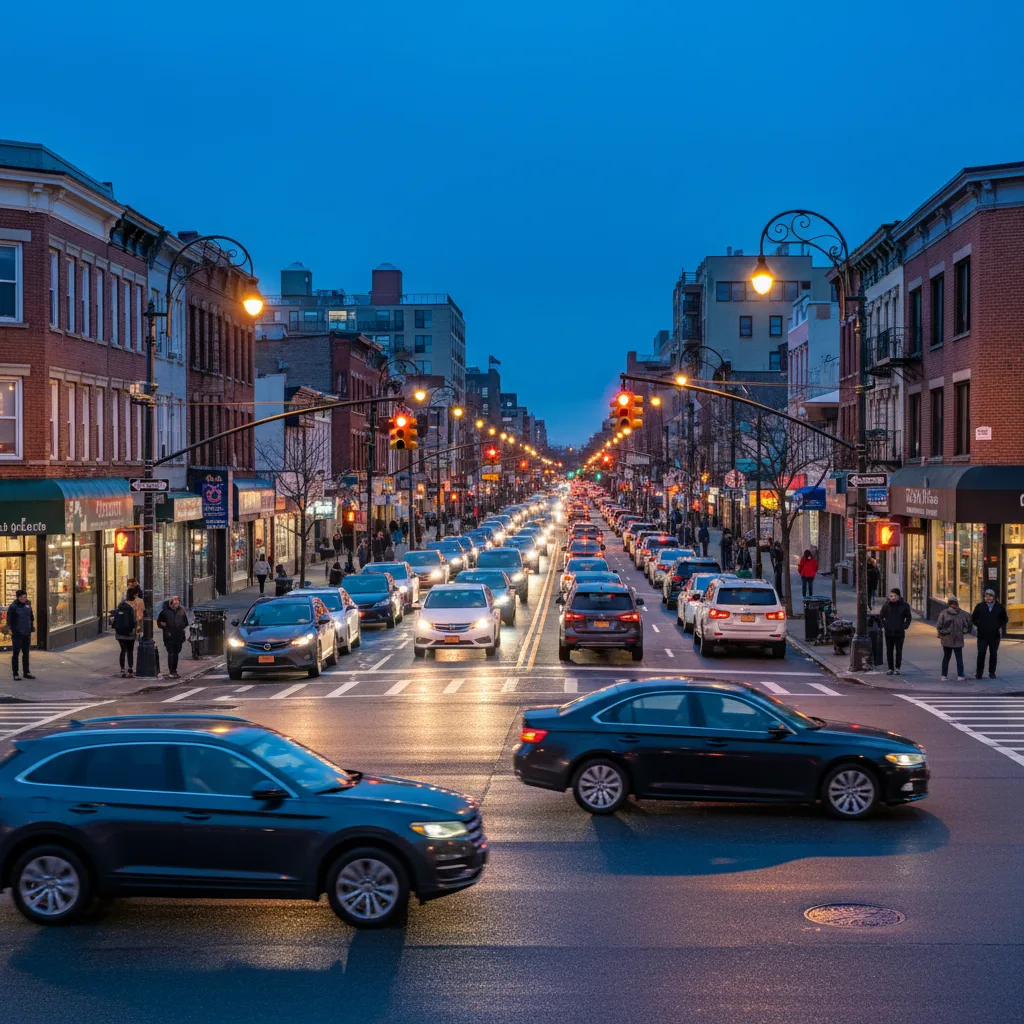
Cross Bay Boulevard Rezoning Plan Faces Howard Beach Community Scrutiny By Newstrix | August 23, 2026 | Development & Infrastructure NEW YORK — City Councilmember Joann Ariola unveiled a controversial rezoning proposal for a significant parcel of land near the southern end of Cross Bay Boulevard today, igniting debate across Howard Beach and Broad Channel. The plan aims to redevelop the area but has met with immediate community resistance. The proposal seeks to change existing zoning regulations, potentially allowing for new mixeduse developments that residents fear could alter the character of their neighborhoods. Community members are raising questions about traffic impact and infrastructure strain. Councilmember Ariola's Rezoning Vision Councilmember Ariola presented the rezoning plan as a way to modernize and enhance the economic vitality of the Cross Bay Boulevard corridor. Her office suggested the changes could attract new businesses and provide muchneeded housing options in the area. The specific details of the plan include potential amendments to building height limits and density allowances. Ariola's team emphasizes a comprehensive approach to urban planning, aiming for sustainable growth that benefits the broader Queens community. Community Concerns Over Howard Beach Rezoning Residents of Howard Beach and Broad Channel have voiced significant apprehension regarding the rezoning. Many fear that increased building density will lead to overcrowded schools, strained sanitation services, and exacerbated traffic congestion on already busy roadways. Local civic associations have scheduled public forums to discuss the potential impacts, mobilizing residents to attend city planning meetings. The sentiment among many is a desire to preserve the current suburban character and quality of life in their neighborhoods, as highlighted in previous discussions on . Economic Development vs. Neighborhood Preservation The rezoning proposal sets up a classic clash between economic development objectives and neighborhood preservation goals. Proponents argue that the new developments could bring jobs and tax revenue, revitalizing underutilized land. Opponents, however, contend that the economic benefits might not outweigh the costs to the existing community infrastructure and residential comfort. They point to potential gentrification and displacement of longtime residents as serious concerns. Infrastructure Strain and Environmental Impact One of the primary concerns revolves around the capacity of existing infrastructure to support a denser population. The water and sewer systems, public transportation, and emergency services could face significant strain. Environmental advocates are also scrutinizing the proposal, especially its potential impact on nearby Jamaica Bay and the wetlands. They emphasize the need for careful ecological assessment to prevent adverse effects on the sensitive coastal ecosystem. Next Steps in the Rezoning Process The rezoning proposal will now undergo a lengthy public review process, including hearings at the local community board, the Borough President's office, and the City Planning Commission. Community input at each stage will be crucial. Councilmember Ariola has committed to listening to constituent feedback and making adjustments to the plan where feasible. The ultimate decision will require a vote by the City Council, following recommendations from various city agencies. Frequently Asked Questions How can Howard Beach residents make their voices heard regarding the rezoning plan? Howard Beach residents can participate by attending public hearings organized by the local community board and City Planning Commission. Submitting written testimony and contacting Councilmember Joann Ariola's office directly are also effective ways to share concerns. Engaging with local civic associations can help coordinate efforts and amplify community perspectives on the . What are the potential traffic implications of the Cross Bay Boulevard rezoning? The proposed Cross Bay Boulevard rezoning could lead to increased traffic congestion due to a larger residential and commercial population. Residents are concerned about longer commute times, reduced street parking, and increased vehicle emissions. Traffic impact studies would need to thoroughly assess these effects and propose mitigation strategies to maintain acceptable flow on local roadways.