


Flatbush Avenue Businesses Adjust as Center Bus Lanes Open
Enjoying the coverage?
A train, AirTrain and road news for Howard Beach, rounded up every Friday. Free; unsubscribe in one click.
Sent every Friday. By subscribing, you agree to our Terms of Use and Privacy Policy.
The Short Version
- Buses on Flatbush Avenue between Grand Army Plaza and Livingston Street began operating in concrete-protected center lanes on November 18, 2026.
- The new configuration is intended to improve bus reliability and speed along the critical Brooklyn corridor.
- Local businesses and commuters are adapting to the altered traffic flow and parking regulations.
- The project aims to enhance public transportation efficiency as part of broader city infrastructure improvements.
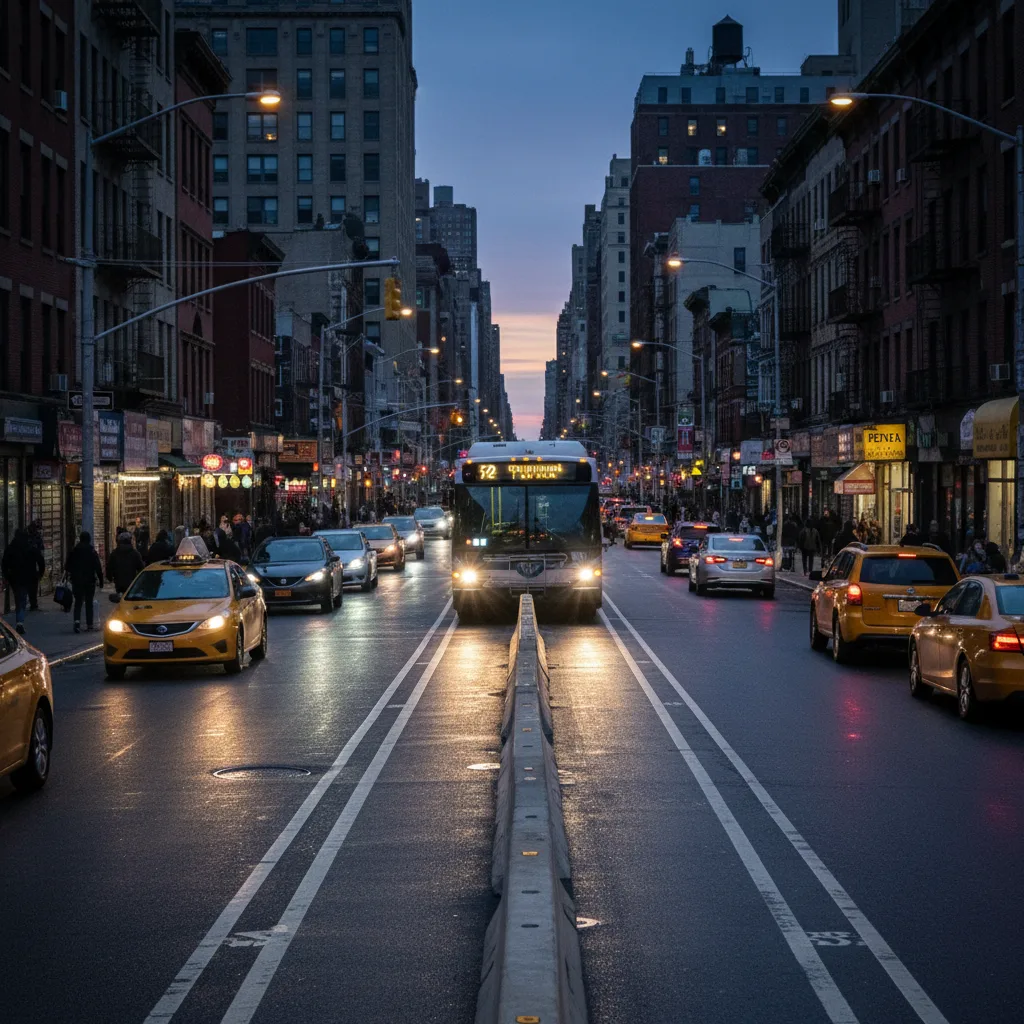
NEW YORK — Commuters and local businesses along Flatbush Avenue in Brooklyn experienced significant changes this week as concrete-protected center bus lanes officially opened on November 18, 2026, according to New York Explained. The new transit infrastructure, spanning the stretch between Grand Army Plaza and Livingston Street, aims to prioritize bus traffic and improve service reliability.
The Howard Beach News Friday Briefing
A train, AirTrain and road news for Howard Beach, rounded up every Friday. Free; unsubscribe in one click.
Sent every Friday. By subscribing, you agree to our Terms of Use and Privacy Policy.
New Bus Lane Configuration on Flatbush Avenue
The implementation of center-running bus lanes represents a substantial upgrade to Flatbush Avenue's transportation network. This design physically separates buses from general traffic, minimizing delays often caused by congestion, double-parked vehicles, and turning cars. The new lanes are exclusively for buses, with strict enforcement expected to maintain their integrity.
The project, detailed by New York Explained, involved a considerable amount of street reconfiguration, including new lane markings, signal adjustments, and the installation of concrete barriers. These changes are intended to provide a more predictable travel experience for the thousands of daily bus riders who rely on Flatbush Avenue for their commutes.
Impact on Local Businesses and Commuters
Local businesses situated along Flatbush Avenue are now adjusting to the altered streetscape and traffic patterns. While the focus of the project is to enhance public transit, changes to street access, parking, and delivery logistics are common concerns during such infrastructure overhauls. Many businesses depend on accessible street parking for customers and efficient loading zones for supplies.
For commuters, the primary benefit is expected to be faster and more reliable bus service. Transit advocates have long pushed for such dedicated lanes, arguing they are crucial for improving the city's bus network, which often struggles with slow speeds compared to other global cities. This initiative is part of a wider effort to strengthen mass transit options across New York City.
Traffic Flow and Safety Measures
The introduction of center bus lanes necessitates changes in how all vehicles navigate Flatbush Avenue. Drivers must be aware of the new lane designations and restrictions, particularly regarding turns and crossings. Pedestrians will also need to adapt to new crossing patterns at intersections, where bus movements will now be more centralized.
City officials have emphasized that safety was a key consideration in the design process. Signage and pavement markings are installed to guide drivers and pedestrians, and authorities will likely conduct outreach and enforcement efforts during the initial adaptation period. The goal is to minimize confusion and ensure smooth integration of the new system into the existing urban environment.
Broader City Transit Initiatives
The Flatbush Avenue bus lane project is not an isolated effort but rather part of a larger citywide initiative to improve bus service and reduce reliance on private vehicles. Similar dedicated bus lanes have been implemented or are planned for other major corridors across the boroughs, including parts of Queens. These projects aim to make public transit a more attractive and efficient option for New Yorkers.
This infrastructure investment aligns with the city's broader sustainability goals, which include reducing carbon emissions and alleviating traffic congestion. By making bus travel more efficient, the city hopes to encourage more residents to opt for public transportation, thereby contributing to a greener and more fluid urban landscape. Efforts like this mirror other local improvements, such as the Howard Beach Gardening Project's community events that enhance neighborhood life.
What the Reports Don't Say
- The specific enforcement measures for the new Flatbush Avenue bus lanes have not been fully detailed.
- There is no immediate data on the initial impact on bus speeds or ridership since the lanes just opened.
- The long-term economic effects on businesses directly adjacent to the new center lanes have yet to be assessed.
Sources
Compiled by the Howard Beach News Desk from the sources listed below with AI assistance.
- [Reporting] Flatbush buses get the center lanes, the collapse paper trail grows, carriage clock ticks | New York Explained: New York Explained
Frequently Asked Questions
What are center-running bus lanes?
Center-running bus lanes are dedicated lanes for buses that are located in the middle of the street, rather than along the curb. They are often protected by concrete barriers, physically separating buses from other vehicle traffic. This design helps buses avoid congestion, double-parked cars, and turning vehicles, making service faster and more reliable.
How will the new Flatbush Avenue bus lanes affect parking?
The implementation of center-running bus lanes on Flatbush Avenue typically involves reconfiguring existing street space. This can lead to changes in on-street parking availability and regulations along the affected stretch. Drivers should check local signage for updated parking rules and any new restrictions for commercial loading or passenger pick-up/drop-off areas to avoid violations.
Are there similar bus lane projects planned for Howard Beach or Queens?
The city has been implementing dedicated bus lanes in various corridors across all boroughs to improve public transit. While specific center-running projects like Flatbush Avenue may vary, Howard Beach and other parts of Queens have seen or are slated for bus lane improvements. Residents should check the NYC Department of Transportation website for updates on local transit projects and how they might affect Howard Beach transportation.
Written by
Howard Beach News Staff
Howard Beach News
The Howard Beach News Friday Briefing
A train, AirTrain and road news for Howard Beach, rounded up every Friday. Free; unsubscribe in one click.
Sent every Friday. By subscribing, you agree to our Terms of Use and Privacy Policy.
Related Articles
More in Transportation & Traffic →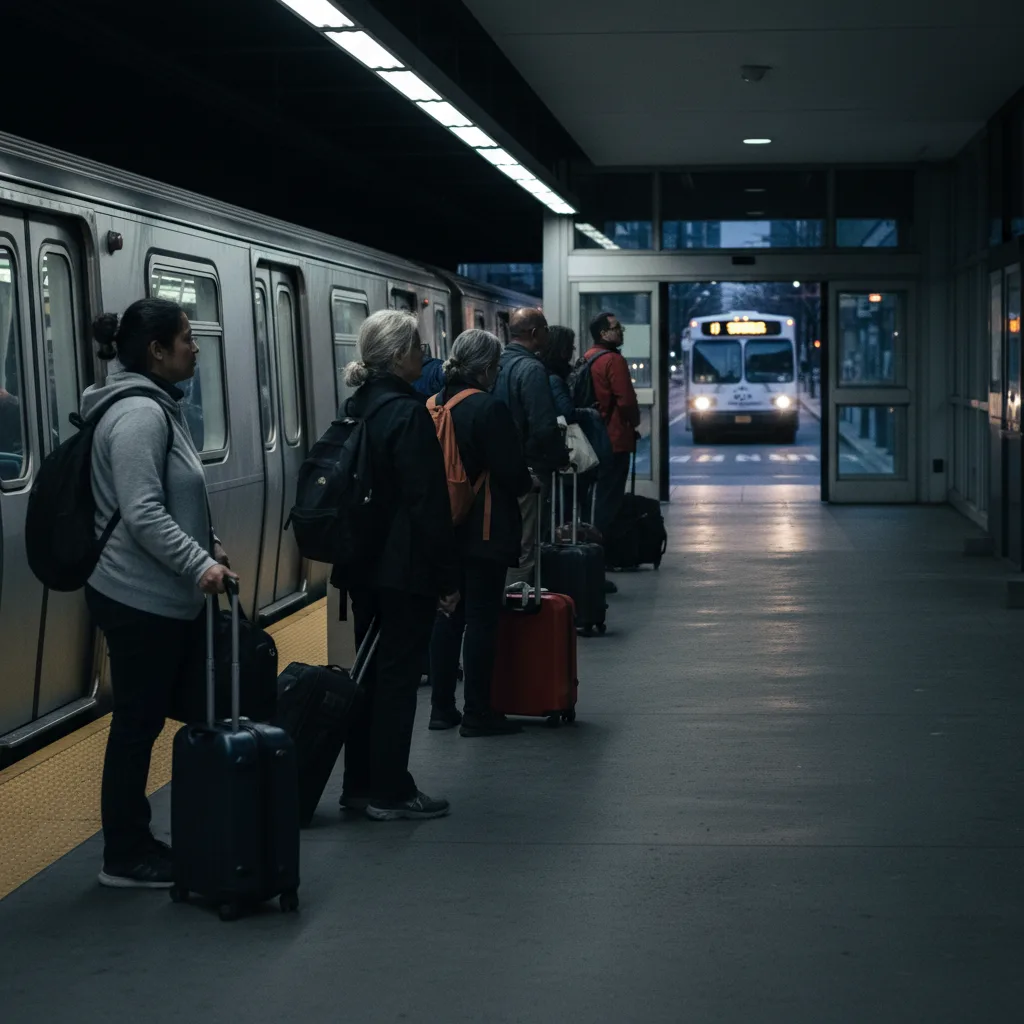
A Train Reroutes Impact Howard Beach-JFK Airport Commuters
Lefferts-bound A trains were rerouted to Howard Beach-JFK Airport from Saturday to Monday, November 16, with shuttle buses provided.
Nationwide Air Travel Disruptions Continue After Ground Stop Order
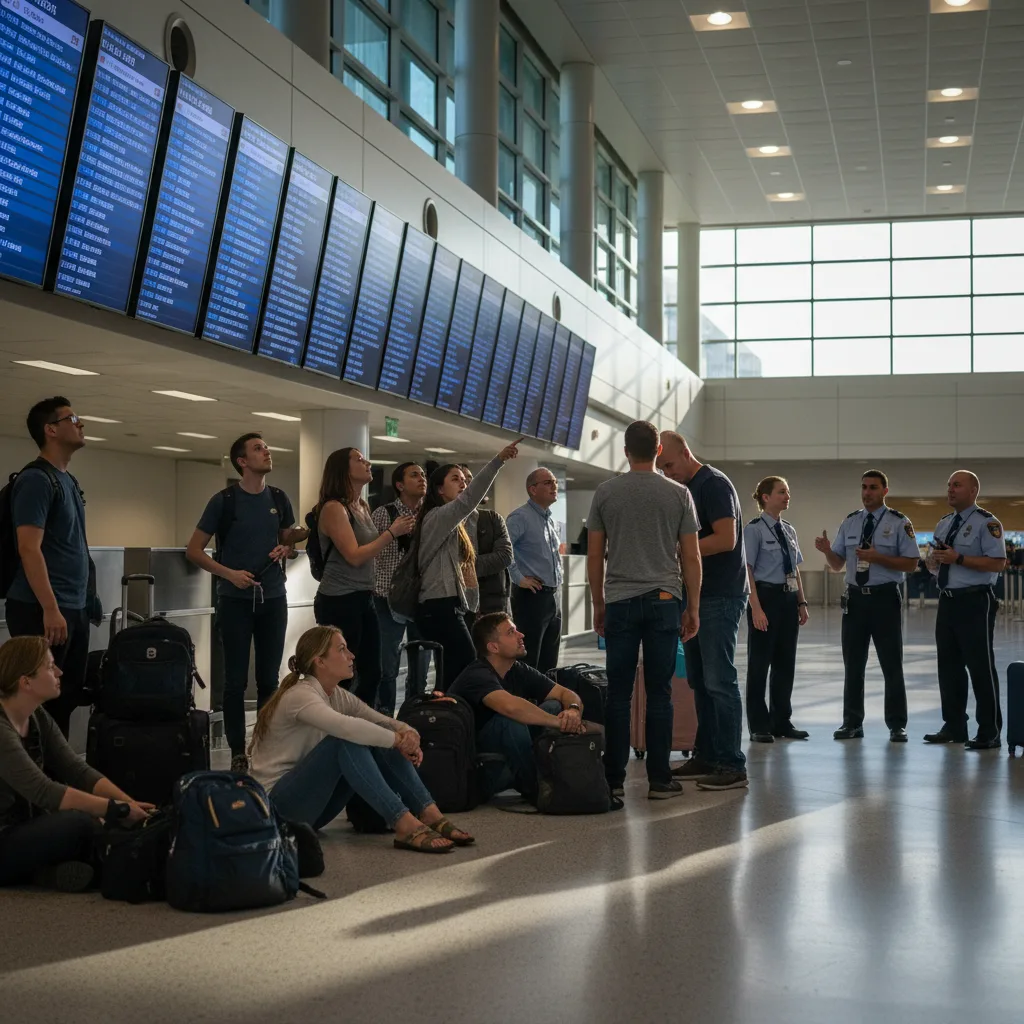
U.S. air travelers are facing continued cancellations and delays after a nationwide ground stop order halted domestic flights over the weekend.
Belt Parkway Police Investigation Shuts Down Both Sides Saturday Night
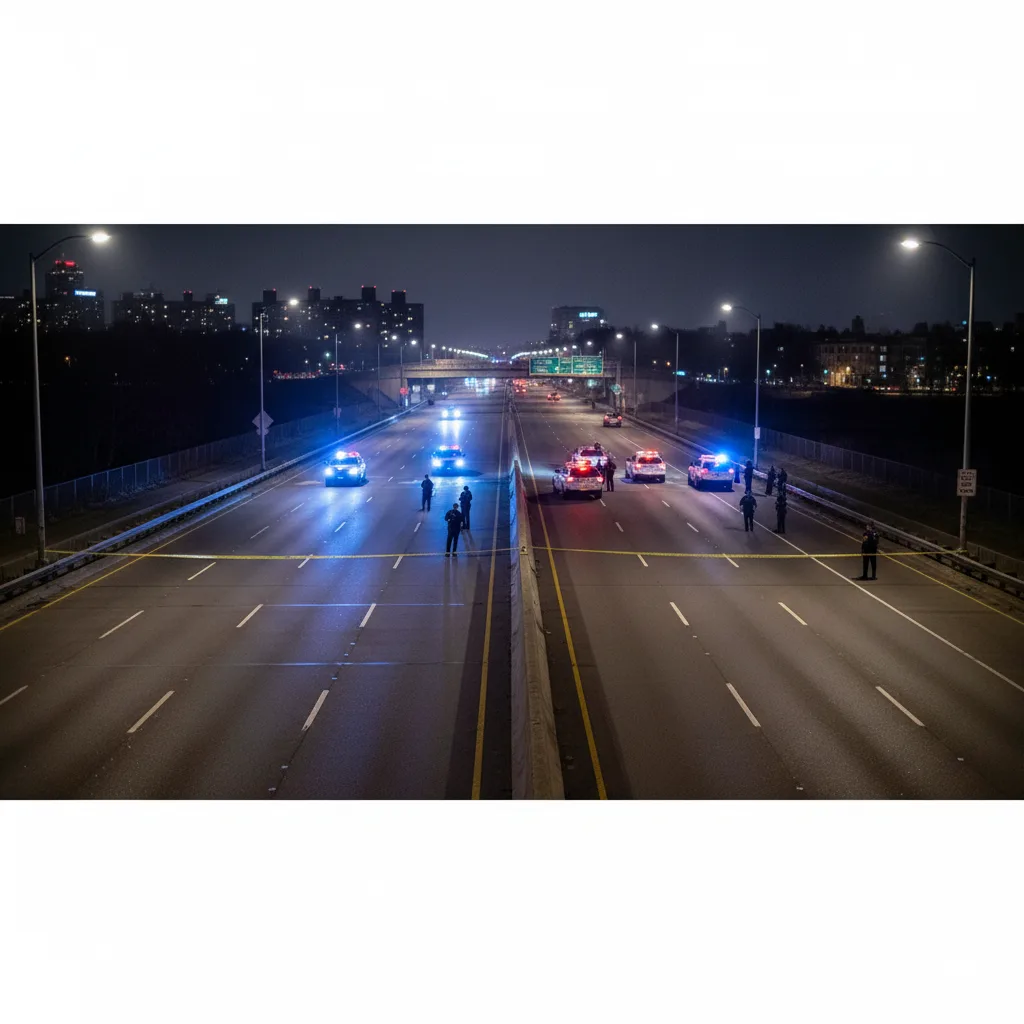
A police investigation shut down both sides of the Belt Parkway approach to Coney Island Avenue Saturday night.
NYC Commuters Face Subway Disruptions November 14-16
New York City subway riders experienced significant rerouting and service cuts on the A, C, J, M, and 7 lines from November 14 to November 16, 2026, due to extensive track work.
MTA Renews Far Rockaway A Line Stations on November 12, 2026
The MTA repainted, relit, and repaired three A line stations in Far Rockaway on November 12, 2026.
Howard Beach Community Rallies After Hurricane Sandy
Volunteers from Woodhaven rallied to collect and distribute clothing and other donations to residents in Howard Beach and the Rockaways after Hurricane Sandy, a community effort highlighted by the Queens Ledger on November 17, 2026.