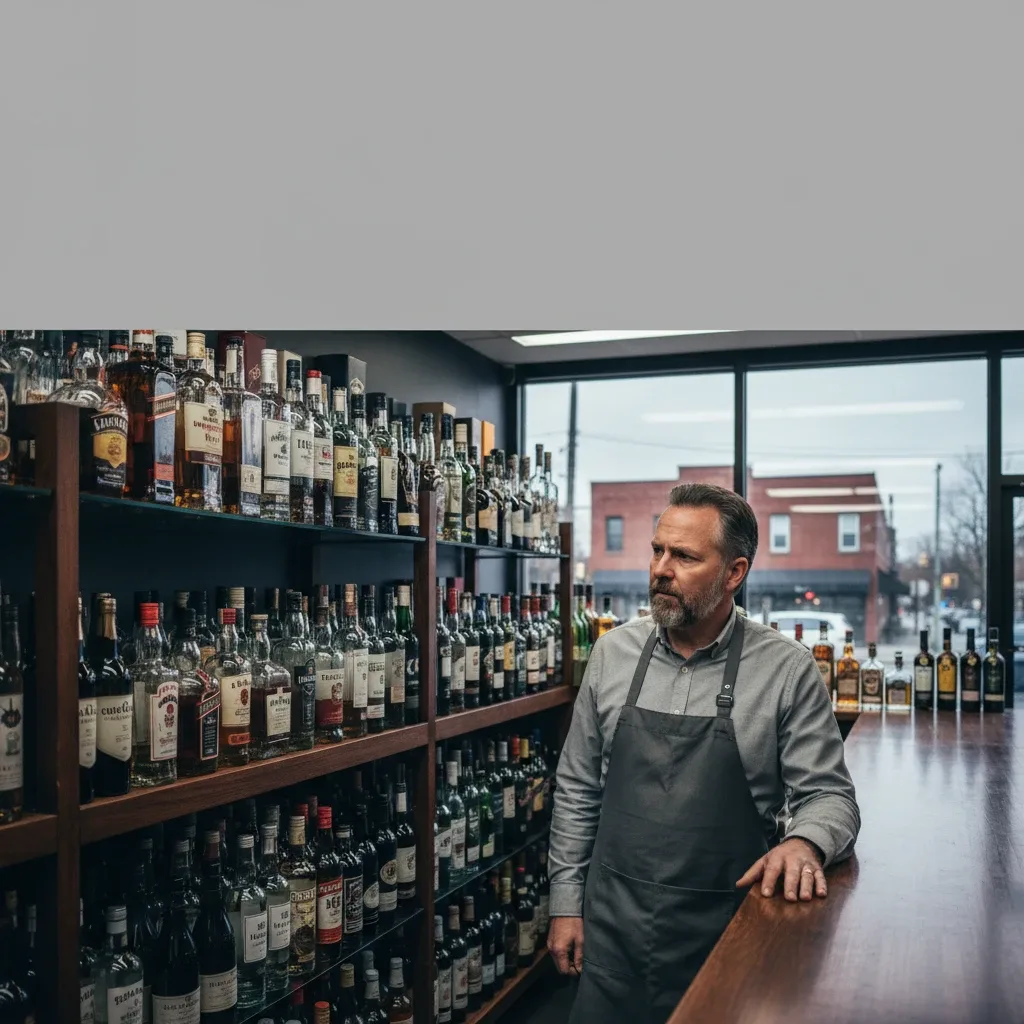
Howard Beach Businesses Brace for Trump's 50% Tariffs on Canadian Goods By Newstrix | March 15, 2026 | Local Economy & Business NEW YORK — Howard Beach businesses are preparing for potential impacts as President Trump's administration imposed 50% tariffs on a range of Canadian goods, including alcoholic beverages and sporting equipment, CBS News reported Thursday. This move escalates trade tensions and could lead to higher consumer prices and disrupted supply chains for many local establishments. Tariffs Spark Concern Among Howard Beach Retailers Local retailers in Howard Beach, particularly those importing goods from Canada, are expressing concern over the immediate and longterm effects of the new 50% tariffs. Owners of liquor stores, sports equipment shops, and certain grocery suppliers on Cross Bay Boulevard anticipate significant increases in their wholesale costs. "We rely on some popular Canadian brands, especially craft beers and certain sporting goods," said Michael Gianelli, owner of Gianelli's Liquors. "A 50% tariff isn't just a bump; it's a shockwave that will hit our bottom line and likely be passed on to customers." The Queens Chamber of Commerce has begun circulating advisories to its members, outlining the specific categories of goods affected. They are urging businesses to review their supply chains and consider alternative sourcing where possible. However, for niche products or established brands, shifting suppliers quickly proves challenging. Trade Dispute Escalates with WideRanging Economic Implications President Trump's decision to implement the 50% tariffs on Canadian goods follows a period of strained trade relations between the United States and Canada, CBS News stated. The move is widely seen as a negotiation tactic, but its immediate effect is a disruption to established crossborder commerce. Affected goods include various types of alcohol, certain wood products, and specific sporting equipment components. Economists are warning that such tariffs can lead to inflationary pressures, as the cost of imported goods rises for consumers. North American supply chains, deeply integrated over decades, face significant challenges in adapting to these sudden changes. The tariffs could also provoke retaliatory measures from Canada, further complicating international trade. Local Businesses Scramble for Solutions and Alternatives Many Howard Beach business owners are already exploring alternative suppliers or adjusting their inventory strategies. Peter Morales, who manages a local sporting goods store near the Belt Parkway, said he's looking into Americanmade alternatives for hockey equipment, though quality and price points vary. "It's not as simple as just switching a vendor," Morales explained. "Our customers expect certain brands, and suddenly raising prices on those items could hurt our competitive edge." Restaurants and bars that feature Canadian beers or spirits are also assessing their menus. Some may choose to absorb a portion of the increased cost to retain customers, while others might opt to remove affected items or significantly raise their prices. The uncertainty surrounding the duration of these tariffs adds another layer of complexity to their planning. Community Reaction and Consumer Outlook in Howard Beach While direct community board reactions to the tariffs have not been formally published, conversations in Howard Beach coffee shops and community centers suggest a growing awareness among residents about potential price increases. Consumers are bracing for higher costs on everyday items, from imported groceries to recreational gear. "Everything is getting more expensive," remarked Sarah Chen, a Howard Beach resident. "Now we have to worry about Canadian goods too? It's just another hit to our wallets." The tariffs' impact on consumer spending patterns in Howard Beach could be notable. Residents might opt for cheaper alternatives or simply reduce their purchases of affected goods, impacting the revenue of local businesses. This economic pressure contributes to a broader sense of financial uncertainty felt across Queens, a concern for many families juggling rising costs. This situation mirrors anxieties previously expressed by Howard Beach residents regarding . Government Support and Future Trade Negotiations The Queens Chamber of Commerce is in talks with local and federal representatives to advocate for small businesses affected by the tariffs. They are seeking clearer guidance and potential relief programs to help mitigate the financial strain. Efforts are also underway at the federal level to reopen negotiations with Canada, aiming to resolve the trade dispute. However, the timeline for any resolution remains uncertain, leaving many Howard Beach businesses in a holding pattern. The hope is that diplomatic efforts will eventually lead to a rollback of these tariffs, restoring stability to international trade. Until then, local entrepreneurs must navigate a complex econom