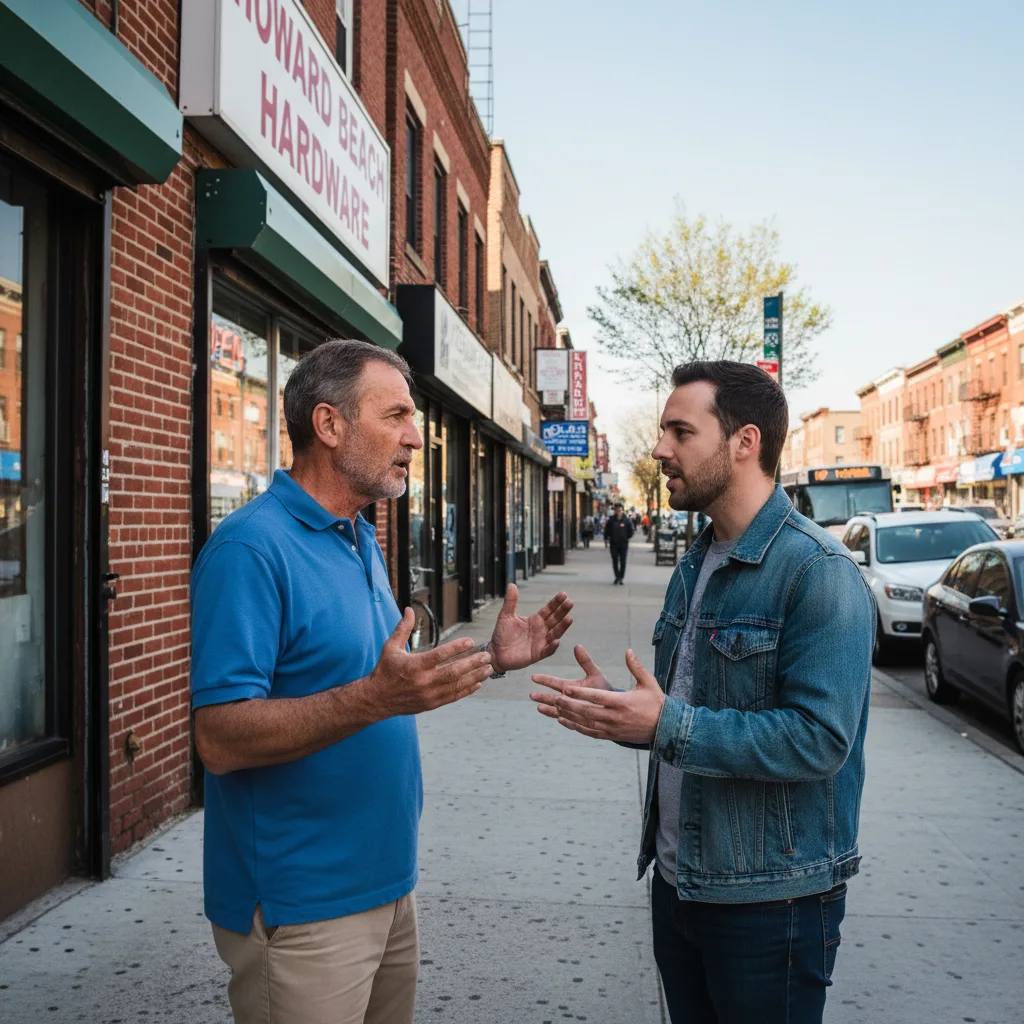
Howard Beach Debates New Russia Sanctions, Ukraine Air Defense Sale By Howard Beach News Staff | September 19, 2026 | National & World NEW YORK — President Trump on Thursday signed the Lindsey O. Graham Sanctioning Russia and Iran Act of 2026 into law, authorizing new sanctions against Russian officials and entities tied to the war in Ukraine. Simultaneously, the State Department approved a potential $2.68 billion air defense system sale to Ukraine, marking significant foreign policy developments as reported by AA.com.tr. New Sanctions Target Russian War Efforts The newly signed Lindsey O. Graham Sanctioning Russia and Iran Act of 2026 introduces a fresh wave of primary and secondary sanctions. These measures are designed to target Russian officials, oligarchs, banks, and other entities deemed to be supporting the ongoing conflict in Ukraine. The legislation aims to increase economic pressure on Moscow, limiting its ability to fund its military operations and exert international influence. This move reflects a continued commitment by the U.S. to support Ukraine through punitive economic actions. Ukraine to Receive $2.68 Billion Air Defense Systems In a parallel development, the U.S. State Department gave its approval for a possible $2.68 billion sale of air defense systems to Ukraine. This significant military aid package is intended to bolster Ukraine’s defensive capabilities against persistent aerial threats. This approval underscores the U.S.’s strategic support for Ukraine’s national security and its efforts to repel aggression. The sale of advanced air defense systems is considered a critical component of Ukraine's longterm defense strategy, according to AA.com.tr. Howard Beach Weighs in on Foreign Policy Costs In Howard Beach, these foreign policy decisions are frequently discussed through the lens of household concerns, particularly regarding taxes and defense spending. Residents actively debate whether the U.S. is becoming too deeply embroiled in another prolonged international conflict. Queens community conversations often revolve around the financial implications of such largescale international interventions. Many residents question the longterm economic burden on American taxpayers, tying global events back to local pocketbook issues. Community Perspectives on Support and Escalation Residents with family ties to Eastern Europe or those who follow immigrant media in Queens are keenly discussing these developments. For many, the new sanctions and military aid represent both a reassurance of support for Ukraine and a source of unease about potential escalation. Local discussions highlight the complex emotional and political responses within the community. There is a strong desire to support justice and sovereignty, balanced against apprehension regarding the unpredictable trajectory of international conflicts and their broader consequences. Broader Implications for Global Security The combined actions of new sanctions and significant military aid signal a firm stance from the U.S. regarding the conflict in Ukraine. These measures are likely to have farreaching effects on geopolitical dynamics, influencing alliances and rivalries worldwide. International relations experts suggest these developments will be closely watched by other global powers, potentially setting precedents for how future international aggressions are met. The scale of the air defense sale, in particular, indicates a longterm commitment. Frequently Asked Questions How will these new sanctions affect everyday Russian citizens? The new sanctions primarily target officials, oligarchs, and financial institutions, aiming to disrupt the government's ability to wage war rather than directly impact ordinary citizens. However, economic pressures can indirectly affect the broader population through inflation and reduced economic opportunities. What types of air defense systems are included in the $2.68 billion sale to Ukraine? While specific systems were not detailed in the summary, a $2.68 billion package typically includes advanced missile interceptors, radar systems, and associated training and support equipment designed to counter various aerial threats, from drones to ballistic missiles. How do Howard Beach residents typically discuss such complex foreign policy issues? Howard Beach residents often discuss foreign policy by relating it to their personal finances, local economy, and general sense of security. Conversations frequently occur in community centers, online forums, and local businesses, focusing on the practical impacts of global events on their daily lives.