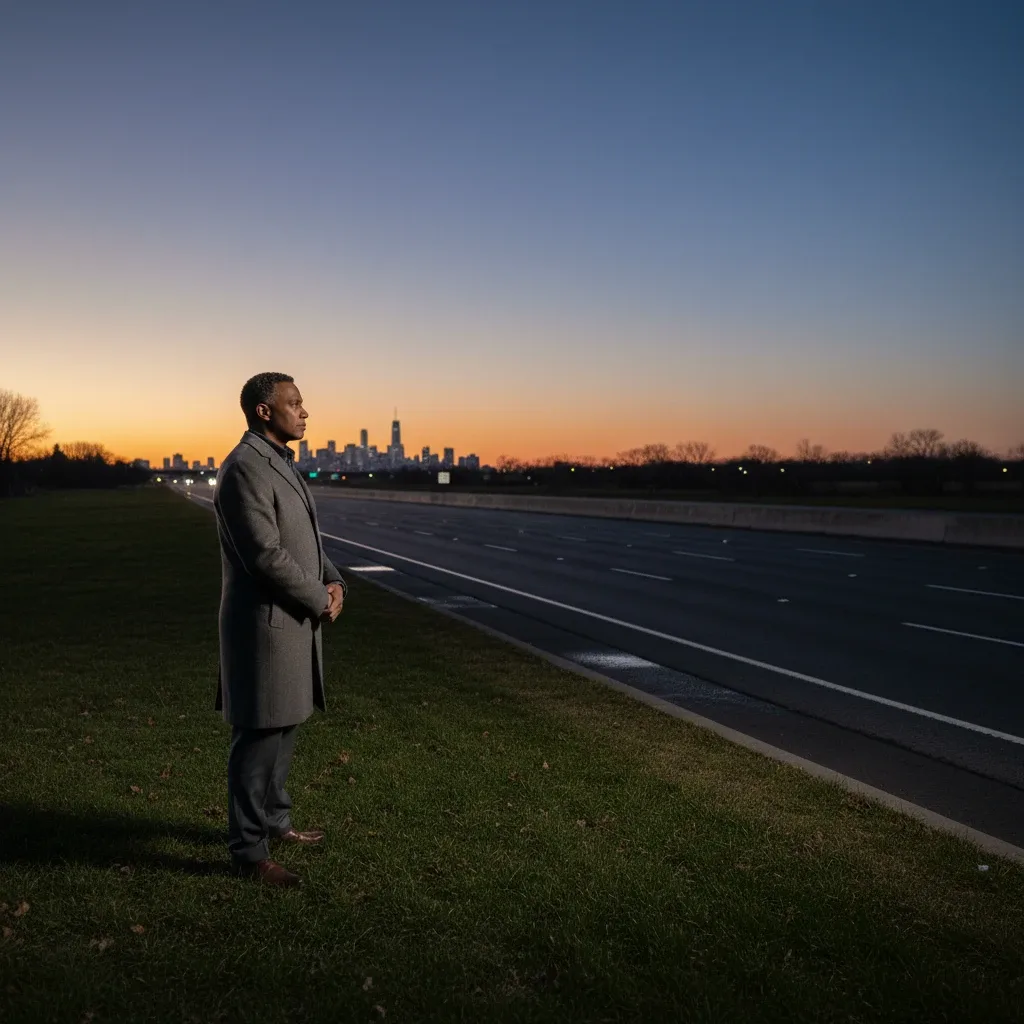
Howard Beach Racial Attack: 1986 Incident Remembered in 2026 By Newstrix | July 20, 2026 | Public Safety & Crime NEW YORK — More than four decades later, the 1986 Howard Beach racial attack, which resulted in the tragic death of Michael Griffith, continues to resonate in Queens. The enduring legacy of this raciallymotivated incident remains a significant point of reflection for community leaders and activists in 2026. Remembering the 1986 Howard Beach Racial Attack The Howard Beach racial attack occurred on December 20, 1986, when a 23yearold black man, Michael Griffith, was killed after being chased by a group of white teenagers in Howard Beach, Queens, according to Wikipedia. Griffith and two companions, Cedric Sandiford and Timothy Grimes, had sought help after their car broke down near a local pizzeria. They were confronted and attacked by a group of white youths, leading to Griffith's death as he fled onto the Belt Parkway and was struck by a vehicle. This incident shocked New York City and gained national attention, sparking widespread protests against racial injustice. The brutality of the attack and the initial handling of the case ignited a fierce debate about race relations within the city and beyond. It remains a stark reminder of the long struggle against prejudice and violence, making the term "Howard Beach racial attack" a keyword for historical reflection. Legal Aftermath and Convictions Three local teenagers—Jon Lester, Scott Kern, and Jason Ladone—were convicted of manslaughter for their roles in Griffith's death. Their convictions represented a significant moment in the civil rights movement, highlighting the legal system's capacity to address racially motivated violence, even against strong community resistance. The trials were highly publicized, drawing intense scrutiny. The legal proceedings, led by thenSpecial Prosecutor Charles J. Hynes, underscored the city's commitment to pursuing justice in a racially charged case. These convictions, achieved despite initial challenges, sent a clear message that such acts would not be tolerated. The outcome shaped public perception of justice and accountability in Queens. Community Impact and Ongoing Dialogue In the years following the attack, Howard Beach has undergone significant demographic and social changes, yet the memory of the incident persists. Community leaders and civil rights organizations continue to reference the 1986 events in discussions about racial harmony and civic responsibility. . Reverend Al Sharpton, a prominent civil rights activist who played a key role in the protests, often revisits the historical context of the attack. "The lessons of Howard Beach are not just about justice for one man, but about the ongoing fight against systemic racism," Sharpton stated in a recent interview. "We must never forget the sacrifices made in that struggle." Educational Initiatives and Historical Reflection In 2026, educational institutions and community groups across Queens continue to organize discussions and programs to ensure younger generations understand the historical significance of the Howard Beach racial attack. These initiatives aim to promote tolerance, diversity, and understanding among residents. Local schools often incorporate the incident into their curricula as a case study in civil rights and social justice. These educational efforts are designed to prevent similar tragedies and foster a more inclusive community environment. The emphasis remains on learning from the past to build a better, more equitable future for all. Howard Beach and the Fight Against Injustice The 1986 Howard Beach racial attack served as a critical inflection point for New York City, galvanizing civil rights activists and prompting a reevaluation of race relations. The incident became a symbol of the pervasive racial tensions that existed within the city during that era. It forced a critical examination of police response and community attitudes. The sustained activism and legal battles surrounding the case ultimately contributed to broader changes in law enforcement practices and public awareness regarding hate crimes. Decades later, the commitment to justice for Michael Griffith continues to inspire efforts to combat prejudice. His story highlights the crucial importance of constant vigilance against injustice. Frequently Asked Questions What was the significance of the 1986 Howard Beach racial attack in New York City history? The 1986 Howard Beach racial attack was a pivotal moment in New York City history, sparking widespread protests against racial injustice and leading to significant legal battles. It underscored the severe racial tensions of the era and became a symbol for the ongoing civil rights movement. The incident continues to be a point of reflection and discussion on race relations and systemic racism in the city. How has the Howard Beach community addressed the legacy of the 1986 attack? The Howard Beach community has addressed th