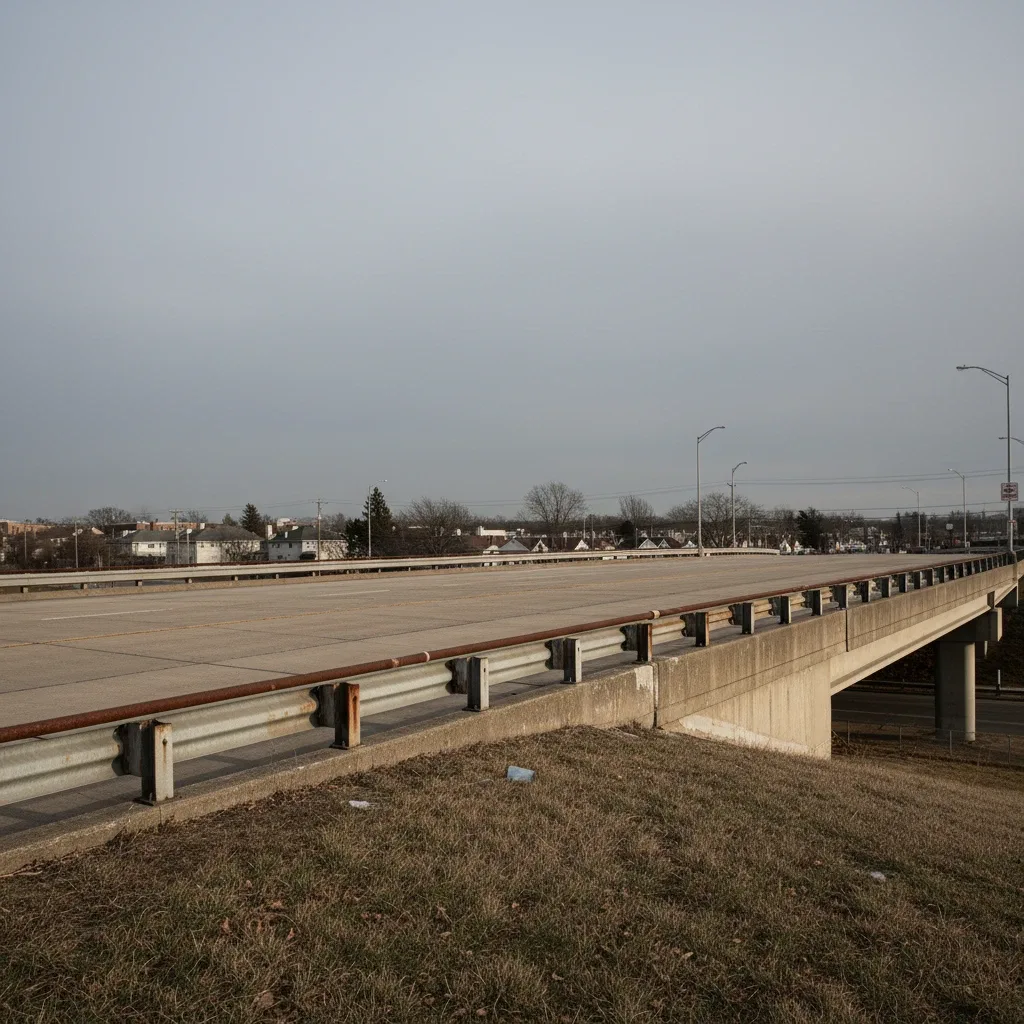
Howard Beach Racial Attack: 1986 Michael Griffith Murder Case Remembered By Newstrix | December 20, 2026 | Public Safety & Crime NEW YORK — The Howard Beach racial attack, a pivotal moment in New York City’s civil rights history, occurred on December 20, 1986, resulting in the tragic death of 23yearold black man, Michael Griffith. This racially motivated incident in Howard Beach, Queens, continues to be a somber reminder of racial tensions that once plagued the city, according to Wikipedia. The Events of December 1986 in Howard Beach On that fateful night, Michael Griffith and two companions were subjected to a violent assault by a group of white teenagers in Howard Beach after their car broke down. The attack escalated dramatically, leading Griffith to flee onto the Belt Parkway, where he was struck and killed by a passing vehicle. This sequence of events ignited outrage across the city and beyond, as the details of the racial attack became public. Two of Griffith’s companions, Timothy Grimes and Cedric Sandiford, also suffered injuries during the brutal encounter. Their testimonies were crucial in the subsequent legal proceedings, painting a clear picture of racial animosity, as detailed in historical reports. Legal Proceedings and Convictions in the Racial Attack Three local teenagers—Jon Lester, Scott Kern, and Jason Ladone—were ultimately convicted of manslaughter for their roles in the Howard Beach racial attack. The trials captivated the city, highlighting deepseated racial divisions and the struggle for justice. Special prosecutor Charles Hynes was appointed to oversee the emotionally charged case, ensuring an impartial legal process. These convictions marked a significant victory for civil rights advocates, demonstrating that racially motivated violence would not go unpunished. The case also led to broader discussions about police accountability and systemic racism within the justice system, mirroring challenges often seen in for other highprofile cases. Community Response and Civil Rights Legacy The Howard Beach racial attack sparked widespread protests and demonstrations, particularly within the African American community and civil rights organizations. Figures like Rev. Al Sharpton rose to prominence, advocating tirelessly for justice for Michael Griffith and an end to racial violence. The incident became a symbol of racial injustice in America, propelling the conversation about race relations into the national spotlight. More recently, Queens historians have launched digital archives to preserve the legacy of such pivotal events, including the 1986 attack. These initiatives ensure that critical moments in civil rights are not forgotten, helping to inform future generations about the ongoing fight for equality. Lasting Impact on Howard Beach and Queens The attack irrevocably altered the perception of Howard Beach, turning it into a focal point for discussions on race and community relations. While the neighborhood has diversified significantly since 1986, the historical memory of the incident continues to shape dialogues about prejudice and social justice in Queens. It remains a stark reminder of how quickly racial tensions can escalate and the devastating consequences that follow. Efforts by community leaders and local organizations continue to promote understanding and tolerance, striving to build a more inclusive Howard Beach. These ongoing initiatives underscore a commitment to learning from the past and fostering a harmonious future for all residents, addressing the painful legacy of the Howard Beach racial attack directly. Remembering Michael Griffith and Calls for Continued Vigilance The memory of Michael Griffith serves as a powerful reminder of the human cost of racial hatred. His name is often invoked in discussions about racial justice, particularly in New York City, where the incident left an indelible mark. Annually, activists and community members gather to commemorate his life and reaffirm their commitment to combating racism in all its forms. The case underscores the continuous need for vigilance against hate crimes and discrimination. It highlights the importance of education, empathy, and persistent advocacy to dismantle systemic inequalities and build truly equitable communities, particularly in areas like Howard Beach that have experienced such profound historical moments. Frequently Asked Questions How has the Howard Beach community changed since the 1986 racial attack? Since the 1986 racial attack, Howard Beach has undergone significant demographic shifts, becoming more diverse and integrated. Local organizations and civic groups have actively worked to promote intergroup dialogue and foster a more inclusive environment. While the historical memory of the incident persists, contemporary Howard Beach residents are generally committed to community building and addressing any forms of discrimination, often with public dialogues and educational initiatives. What legal re