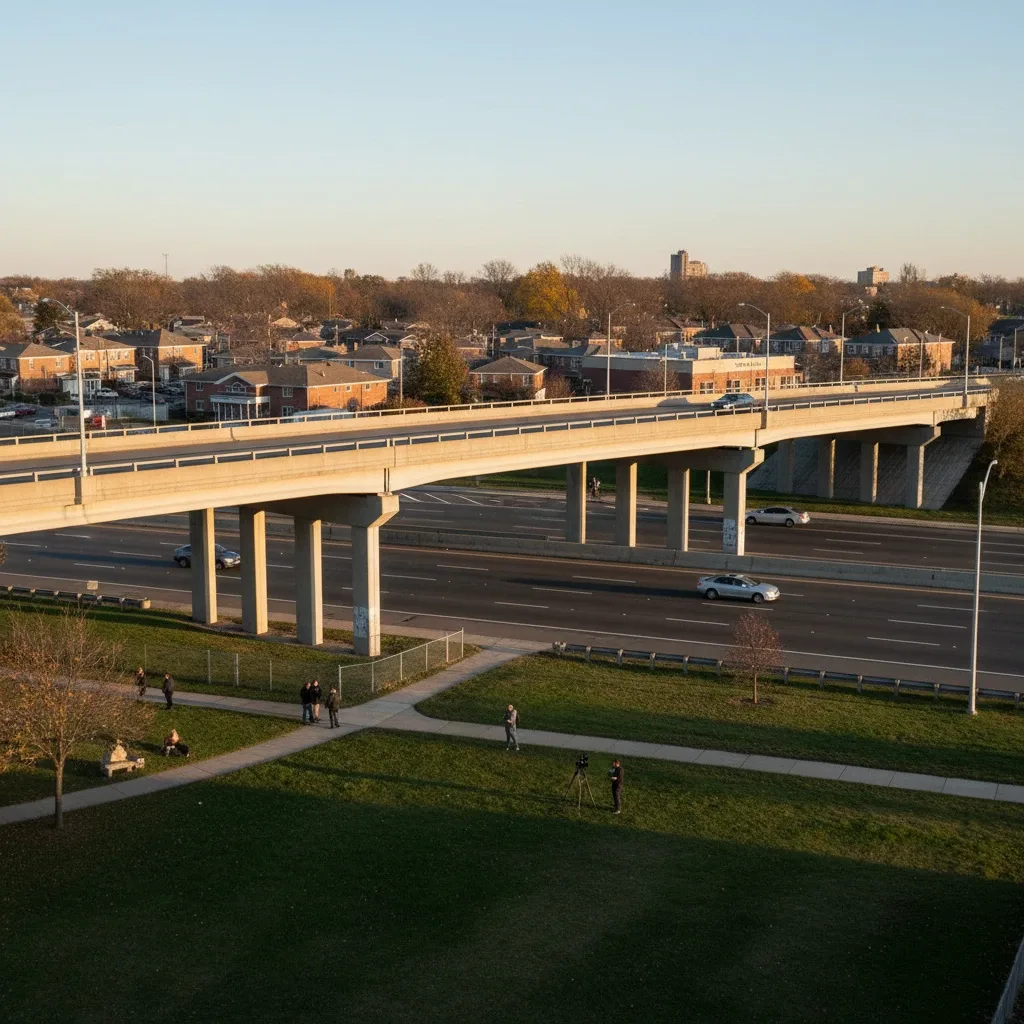
Howard Beach Racial Attack: 1986 Michael Griffith Case Remembered 2026 By Newstrix | June 10, 2026 | Government & Politics NEW YORK — More than four decades have passed since the December 20, 1986, Howard Beach racial attack that resulted in the death of Michael Griffith, a 23yearold Black man in Queens, New York City. The incident remains a poignant historical marker, prompting ongoing discussions about race, justice, and community relations in 2026. The Tragic Events of December 1986 Recalled On that fateful night, Michael Griffith and two friends, Cedric Sandiford and Timothy Grimes, were stranded in Howard Beach after their car broke down. They sought help at a local pizzeria, where they were reportedly confronted by a group of white teenagers. The confrontation escalated into a violent attack, with the three men being chased onto the Belt Parkway. Griffith was struck by a car and killed while attempting to escape his pursuers. The incident immediately garnered national attention, exposing deepseated racial tensions within New York City. The subsequent investigation and trials became a focal point for civil rights activists and community leaders. The tragic events underscored a period of intense social and political strife, shaping the perception of Howard Beach for decades to come. Legal Proceedings and Convictions in the Landmark Case "The convictions in the Griffith case were a testament to the perseverance of civil rights advocates and prosecutors, but they couldn't erase the stain on our city's history," said Dr. Evelyn Reed, a Queens historian, on Monday. "It served as a stark reminder of the prejudice that still existed, even in a supposedly progressive city." Three local teenagers, Jon Lester, Scott Kern, and Jason Ladone, were ultimately convicted of manslaughter for their roles in Griffith's death. The trials were highly publicized, drawing criticism for delays and perceived leniency. Special Prosecutor Charles Hynes led the effort to secure convictions, facing significant challenges amid a climate of racial polarization. The legal outcomes, while bringing some measure of justice, left many with lingering questions about systemic issues. Howard Beach: A Community's Ongoing Reflection in 2026 In 2026, the Howard Beach community continues its complex relationship with this historical event. While significant demographic shifts have occurred, the memory of the racial attack periodically resurfaces in local dialogues, particularly during anniversaries or discussions about diversity. The incident serves as a crucial historical reference point for understanding social progress and remaining challenges in the Queens borough. Local schools and community organizations periodically host educational programs that address the history of race relations in New York City, often referencing the Howard Beach attack. These initiatives aim to foster understanding and prevent future acts of hate. The ongoing dialogue demonstrates a community grappling with its past while striving for a more inclusive future, a narrative also relevant to in another context. Civil Rights Legacy and Persistent Challenges The Michael Griffith case had a profound impact on the civil rights movement in New York and beyond. It fueled calls for police reform, stronger hate crime legislation, and increased awareness of racial injustice. Leaders like Al Sharpton rose to national prominence through their activism surrounding the case. Despite progress, challenges related to race and inequality persist in various forms across the country. The remembrance of the Howard Beach attack serves as a yearly reminder that vigilance against prejudice and discrimination remains necessary. Activists continue to highlight the importance of addressing systemic issues that contribute to racial disparities. Educational Initiatives and Community Healing Efforts Various local institutions, including libraries and community centers, have developed programs designed to educate new generations about the Howard Beach racial attack. These initiatives often include discussions, documentaries, and testimonials from those affected. The goal is to ensure that the lessons learned from the tragedy are not forgotten. Efforts towards community healing and reconciliation are also ongoing, albeit slowly. These efforts involve fostering dialogue between different ethnic and racial groups within Howard Beach and the broader Queens area. The aspiration is to build bridges of understanding and work towards a more harmonious coexistence for all residents. Frequently Asked Questions Why is the 1986 Howard Beach racial attack still significant in 2026? The 1986 Howard Beach racial attack remains significant in 2026 as a crucial historical marker for understanding race relations, justice, and community dynamics in New York City. It continues to spark discussions on civil rights and serves as a reminder of the need for ongoing vigilance against prejudice in Queens. What impac