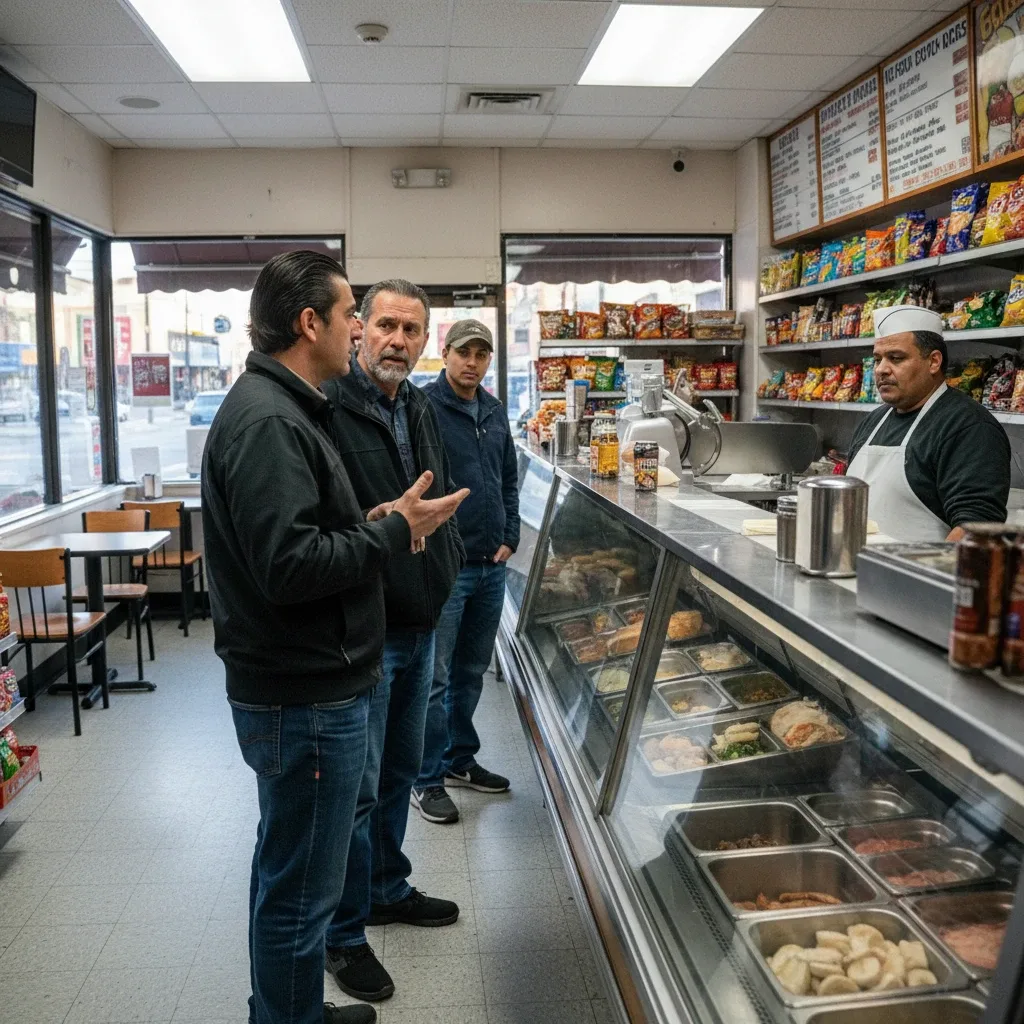
Howard Beach Residents Anxious Over Rising Global Tensions from Middle East Conflict By Newstrix | February 20, 2026 | National & World NEW YORK — Howard Beach and Queens residents are experiencing heightened anxiety this week as global tensions escalate following another round of U.S. strikes against Iran. Concerns are mounting over gasoline prices, the potential for broader conflict, and the impact on families with military ties or international travel plans, according to CBS News. Local Conversations Reflect Broader Geopolitical Worries Local conversations in Howard Beach are frequently touching upon the deepening crisis, particularly at deli counters and family gatherings. Residents describe the U.S. military actions as news that could quickly influence the cost of living and the overall mood across the city. Many in the community fear that a wider regional confrontation in the Middle East could have direct economic repercussions here in Queens. They often discuss the potential for increased gas prices, which directly impacts daily commutes and household budgets. U.S. Central Command Confirms Second Night of Strikes The U.S. military launched its second consecutive night of strikes against Iran late Wednesday, as confirmed by U.S. Central Command. These actions signify a significant escalation after diplomatic talks between the two nations reportedly broke down. The initial strikes targeted several facilities associated with Iran's Revolutionary Guard Corps, CBS News reported. These military operations follow what U.S. officials described as persistent aggression from Iranianbacked groups in the region. Historical Context of U.S.Iran Relations and Sanctions Relations between the U.S. and Iran have been fraught for decades, marked by periods of intense diplomatic engagement and escalating hostilities. The Trump administration previously revoked a waiver that allowed Iranian oil sales, intensifying economic pressures on the country. Iran's attacks on three tankers in the Strait of Hormuz during that period further exacerbated tensions, pushing the region closer to conflict. Howard Beach residents often recall these past events when discussing current developments, fearing a repeat of economic instability. provides additional context on prior escalations. Impact on Howard Beach Families and Travel Plans The ongoing geopolitical instability is causing considerable stress for families in Howard Beach with relatives serving in the military. Many express worry for their loved ones stationed overseas in potentially volatile regions. International travel plans are also being reassessed by many residents, with concerns about flight safety and potential travel advisories. The uncertainty surrounding the conflict is leading some to postpone or cancel trips abroad for 2026. Community Leaders Call for Diplomacy Several community leaders in Howard Beach have called for renewed diplomatic efforts to deescalate the situation. They emphasize the importance of peaceful resolutions to avoid further humanitarian and economic consequences. Local elected officials, including Councilwoman Joann Ariola, have released statements urging the U.S. government to prioritize deescalation. Ariola stated that while national security is paramount, the impact on local communities cannot be overlooked. Frequently Asked Questions Residents often ask how global events like the U.S.Iran conflict directly affect daily life in Howard Beach. Beyond gasoline prices, increased global instability can lead to fluctuations in food costs due to supply chain disruptions and impact the stock market, affecting local investments and retirement funds. The ongoing situation reminds people that distant conflicts have tangible, immediate effects on local economies and individual finances. Many in Howard Beach wonder about resources for families with military personnel who may be deployed. Organizations like the USO and various veterans' support groups offer assistance, counseling, and communication services for military families during deployments. Local community centers and churches also often provide support networks and information for residents navigating these challenging times.