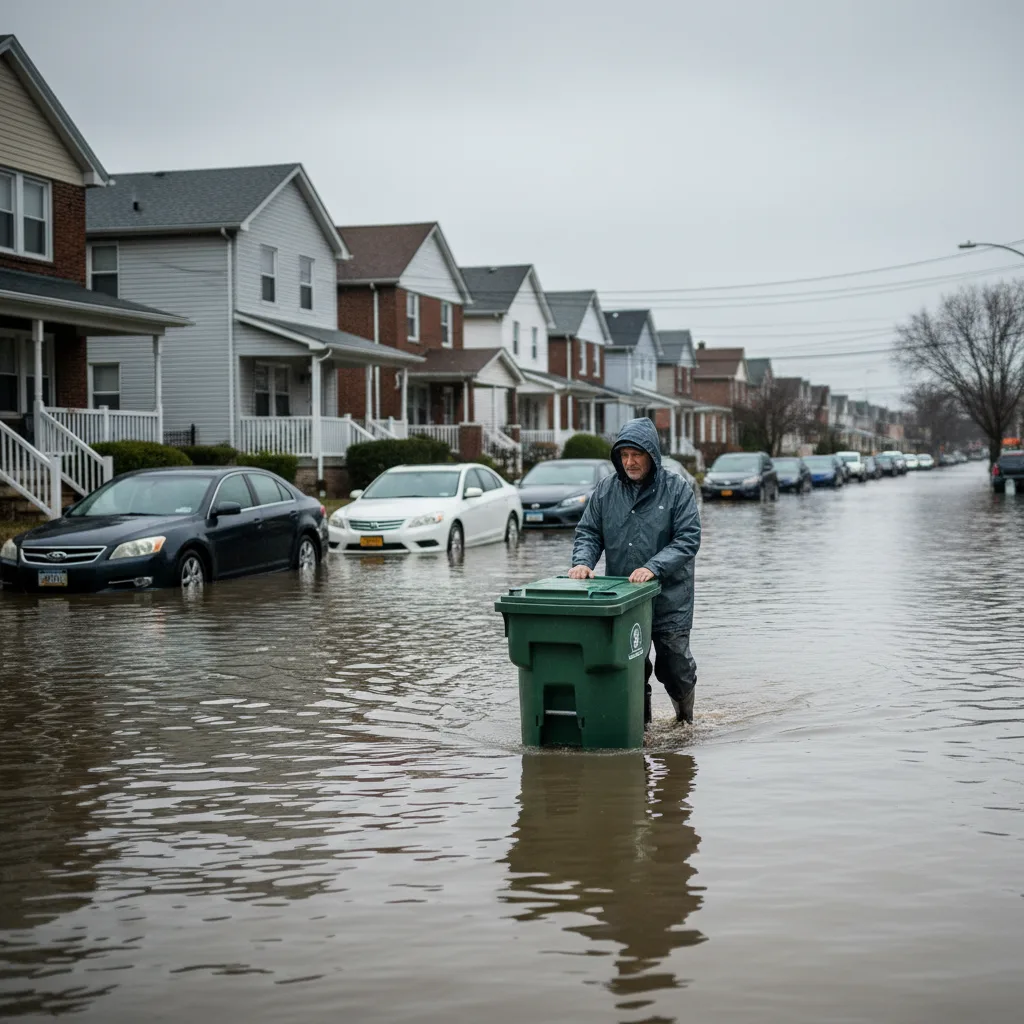
Howard Beach Residents Brace for Flooding from Rain and High Tide By Howard Beach News Staff | September 16, 2026 | Health & Weather NEW YORK — Howard Beach residents are preparing for significant flooding this week as overnight tides combine with persistent rainfall, according to ABC7NY. Coastal neighborhoods throughout Queens, particularly those like Howard Beach, frequently experience such conditions, leading to widespread disruption. Rising Waters Impact 157th Avenue in Howard Beach Heavy rains and an unusually high tide cycle have already begun to impact lowlying areas. Reports indicate that sections of 157th Avenue in Howard Beach were underwater just before 6 p.m. on September 7, 2025 (historical context). Local authorities have issued advisories, urging residents to secure their properties and avoid driving through flooded streets. The New York City Department of Environmental Protection (DEP) is closely monitoring water levels. Community Concerns Over Recurring Flooding Longtime Howard Beach residents voiced frustration over the recurring flooding issues that plague their neighborhood during heavy weather events. They often find their streets impassable and homes vulnerable to water damage, a problem exacerbated by aging infrastructure. Many expressed concerns that the city's drainage systems are insufficient to handle the combined forces of heavy precipitation and tidal surges. This sentiment aligns with previous reports detailing . City Initiatives for Flood Mitigation The City of New York has initiated several projects aimed at mitigating chronic flooding in coastal Queens neighborhoods. These efforts include upgrading storm sewers and installing backflow prevention devices, though their full impact is yet to be realized. In the short term, the Office of Emergency Management (OEM) has deployed sandbags and portable flood barriers in vulnerable areas. However, residents are reminded that these are temporary solutions and often insufficient during severe events. Preparing for the Next High Tide Cycle The current weather forecast predicts continued rain and strong southeast winds through tonight. This combination could lead to further tidal flooding, particularly during the next high tide cycle, which is expected around 7:10 PM, reaching 6.9 feet at the North Channel Bridge according to HowardBeach.news. Residents are advised to move vehicles to higher ground and avoid basements or groundfloor areas prone to inundation. The city's 311 service is available for reporting severe flooding or property damage. Environmental Factors and LongTerm Outlook Environmental experts note that Howard Beach's low elevation and proximity to Jamaica Bay make it particularly susceptible to tidal flooding, a challenge amplified by rising sea levels. The neighborhood is built on reclaimed marshland, making it inherently vulnerable. Longterm solutions involve substantial infrastructure investments and potentially stricter building codes for properties in floodprone zones. These measures are part of a broader citywide strategy to enhance coastal resilience against climate change impacts. Frequently Asked Questions What should Howard Beach residents do if their streets begin to flood? Howard Beach residents should avoid driving through flooded streets, as water depth can be deceptive and hide hazards. It is also important to never walk through moving water. If possible, move vehicles to higher ground well in advance of anticipated flooding. How can residents report severe flooding or property damage in Queens? Severe flooding or property damage in Queens should be reported by calling 311. For immediate emergencies posing a threat to life or property, call 911. Documenting damage with photos or videos can also be helpful for insurance claims. What resources are available for Howard Beach residents affected by flooding? Residents affected by flooding in Howard Beach can find resources from the city's Office of Emergency Management, which provides information on shelters and recovery services. The American Red Cross also offers assistance to those displaced or significantly impacted by natural disasters.