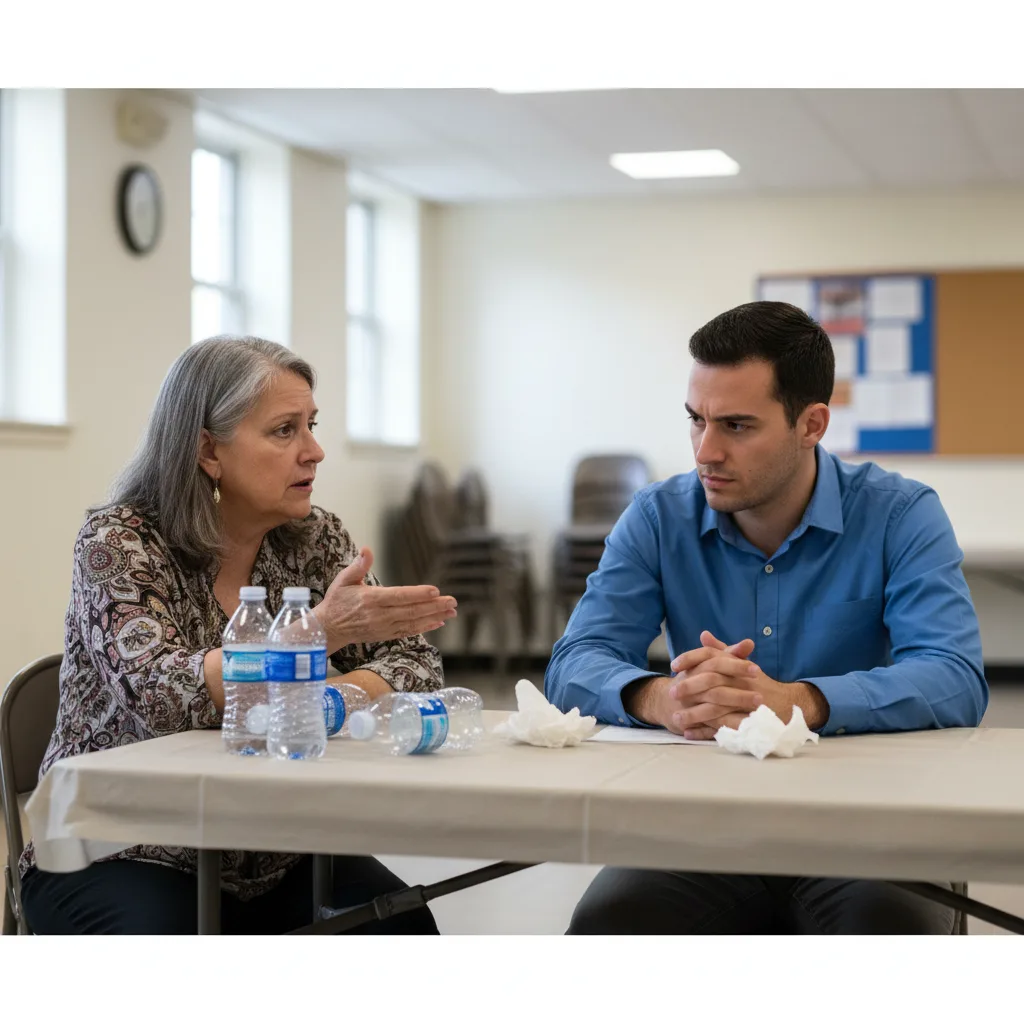
Howard Beach Residents Concerned Over $38 Billion Iran War Cost By Howard Beach News Staff | September 16, 2026 | Government & Politics NEW YORK — In Howard Beach, residents are expressing concern over the financial burden of the ongoing Iran war, as a new Congressional Budget Office (CBO) figure estimates costs exceeding $38 billion so far. Euronews reported that this hard price tag is fueling intense discussion about the conflict's scale and duration, particularly as monthly costs remain high. Local Frustration Over War Spending People across Howard Beach are discussing taxes, defense spending, and whether the war will mean more strain on everyday life. Many residents, especially those running local businesses and attending neighborhood gatherings, are voicing frustration over the cost of another prolonged conflict. There is a palpable worry about families with ties to the region, and the broader economic implications. This sentiment aligns with a general wariness about federal spending, a common topic in Queens communities. This is also seen in discussions about when local resources are stretched. Congressional Budget Office Report Details The CBO figure, released recently, puts a concrete number on the financial outlay for the Iran war since its inception. This report provides a transparent look at the scale of military spending, a detail that has garnered wide attention across the nation. The report indicates that a significant portion of the cost is attributed to ongoing military operations, logistical support, and humanitarian aid. The continuous expenditure highlights the financial commitment required for prolonged international engagements. Broader Economic Impact and Inflation Concerns The substantial cost of the war is also sparking discussions about its potential impact on the national economy and inflation. Residents in Howard Beach, like many across the country, are sensitive to how federal spending influences local purchasing power and cost of living. Economists have noted that largescale military expenditures can contribute to national debt and influence budgetary priorities, potentially diverting funds from domestic programs. The debate often includes tradeoffs between defense and social spending. International Reactions to Conflict Costs Globally, the financial aspect of the Iran war is under scrutiny, with various international bodies and nations commenting on the economic sustainability of prolonged conflicts. Euronews highlighted the widespread attention this figure has received, emphasizing its relevance to ongoing debates about global stability. The financial strain on the United States is a point of discussion among allies and adversaries alike, affecting diplomatic relations and strategic planning. The cost factor is increasingly becoming a central element in international policy dialogues. Local Advocacy for Peace and Fiscal Responsibility Community groups and peace advocates in Howard Beach are using the CBO report as a platform to renew calls for fiscal responsibility and a diplomatic resolution to the conflict. They argue that the vast sums spent could be reallocated to address pressing domestic needs. Public forums and local town hall meetings in Queens may see increased participation as residents seek to understand and influence federal policy. The intersection of global conflict and local economic reality is a powerful motivator for civic engagement. Frequently Asked Questions How are Howard Beach residents affected by the cost of the Iran war? Howard Beach residents are affected by the cost of the Iran war through concerns about taxes, defense spending, and potential strains on everyday life. Many express frustration over the financial outlay and worry about its impact on local economies and families with ties to the region, as reported by Euronews. What does the Congressional Budget Office report reveal about the Iran war costs? The Congressional Budget Office (CBO) report reveals that the Iran war has cost the U.S. over $38 billion so far, fueling intense discussion about the conflict's scale and duration. This figure puts a hard price tag on the ongoing military engagement. How can residents voice their concerns about federal spending on conflicts? Residents can voice their concerns about federal spending on conflicts by contacting their elected officials, participating in local community discussions, or engaging with peace advocacy groups. Attending town hall meetings and writing to local newspapers are also effective methods.