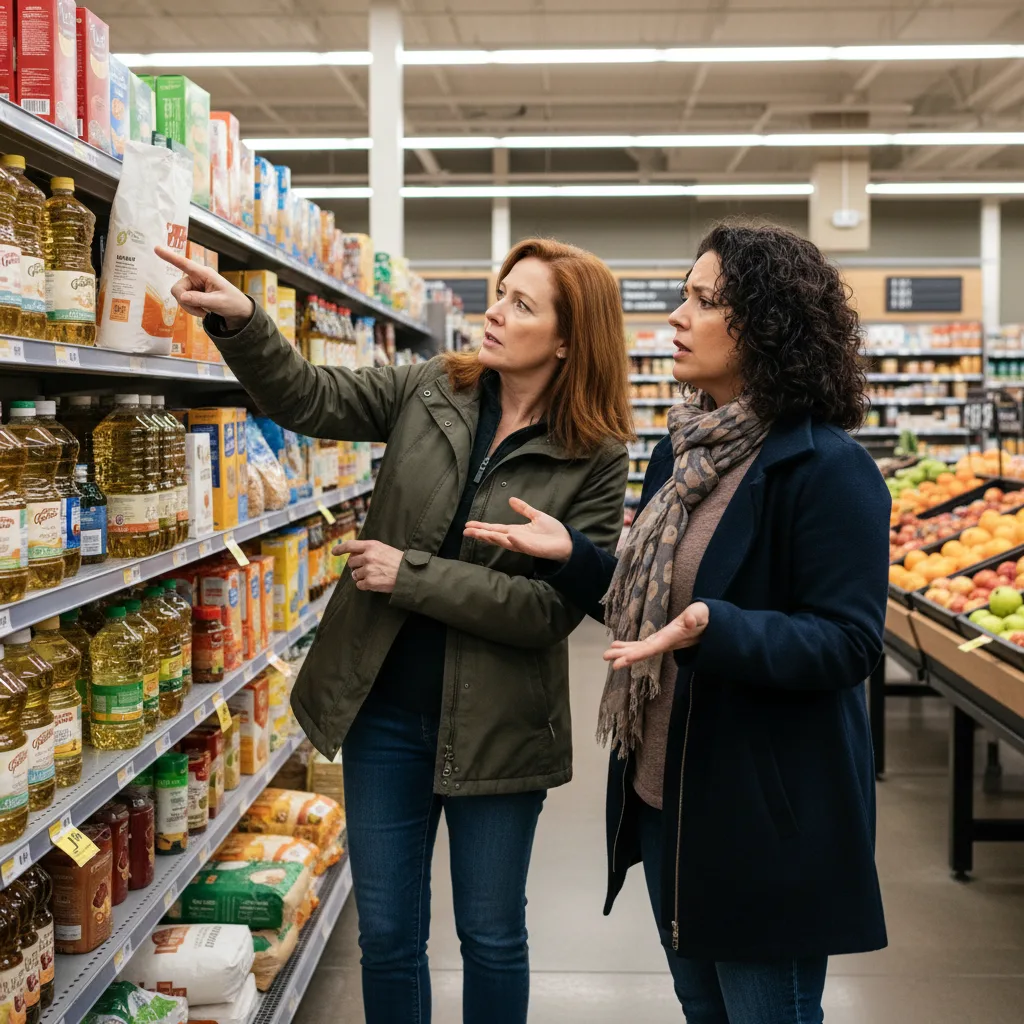
Howard Beach Residents Discuss Global Food Supply Amid Grain Ship Strikes By Newstrix | November 12, 2026 | Local Economy & Business NEW YORK — Howard Beach residents are discussing the potential for higher grocery prices following reports of intensified Russian strikes on Ukrainian grain ships, which threaten global food supplies. The New York Times reported Thursday that deadly attacks on vessels have escalated a longrunning maritime battle, raising fresh concerns about food insecurity far beyond the Black Sea region. Concerns Over Grocery Costs in Queens In Howard Beach, residents closely follow grocery prices and shipping disruptions, engaging in conversations about another potential round of price increases for staples like bread, oil, and imported foods. These discussions are common in local supermarkets and community centers across Queens. Families are actively watching their supermarket bills, comparing prices at local stores, and connecting the broader global conflict to their everyday expenses. The recent attacks highlight how international events can have direct, tangible impacts on the community's cost of living. Intensified Grain Ship Attacks The New York Times reports that the deadly strikes on grain ships have significantly intensified, particularly in the Black Sea. These attacks are part of an ongoing conflict, targeting vital shipping lanes used for transporting agricultural products from Ukraine to global markets. The escalation poses a direct threat to the infrastructure of the global food supply chain, impacting countries that rely heavily on Ukrainian exports. This geopolitical issue has garnered widespread attention due to its potential to exacerbate food crises worldwide. Impact on Global Food Security The disruption of grain shipments from Ukraine has immediate and farreaching consequences for global food security. Countries in Africa, the Middle East, and parts of Asia are particularly vulnerable to shortages and price spikes, as they are major importers of Ukrainian grain. The UN Food and Agriculture Organization (FAO) has previously warned about the fragility of global food systems in the face of conflict and climate change. These latest attacks could further destabilize markets, leading to increased hunger and social unrest in affected regions. Community Response and Practical Implications Local conversations in Howard Beach reflect practical concerns, with residents debating the longterm effects of these global disruptions. Many are linking the story to how international conflicts show up in daily bills and dinner tables. Neighbors are sharing tips on budgeting and finding affordable groceries, a common practice in communities navigating economic uncertainties. This collective concern underscores the interconnectedness of global events and local financial wellbeing. Howard Beach residents discuss Strait of Hormuz impact 2026 is another example of locals connecting global tensions to their wallets. Historical Context of Food Disruptions This is not the first time global conflicts have threatened food supplies, with historical parallels to past crises that caused widespread price volatility and rationing. Previous disruptions often led to significant economic hardship for vulnerable populations worldwide. Governments and international organizations are now evaluating strategies to mitigate the impact of these attacks, including exploring alternative shipping routes and diplomatic solutions. The longterm stability of global food systems remains a key international concern. Howard Beach residents recall past economic strains during periods of global instability. Frequently Asked Questions How can Howard Beach residents prepare for potential grocery price increases? Residents might consider stocking up on nonperishable staples when they are on sale and exploring local farmers' markets for fresh produce, which can sometimes offer better prices. Engaging with local community gardens or food coops could also provide more stable and affordable options for the future, helping to mitigate the impact of global supply chain issues. What types of food products are most likely to be affected by grain ship strikes? Products derived from grains, such as bread, pasta, and cereals, are most susceptible to price increases. Additionally, cooking oils and livestock feed, which rely on grain supplies, could also see significant cost hikes. This ripple effect extends to dairy and meat products as production costs for farmers increase, affecting a wide range of goods in Queens supermarkets.