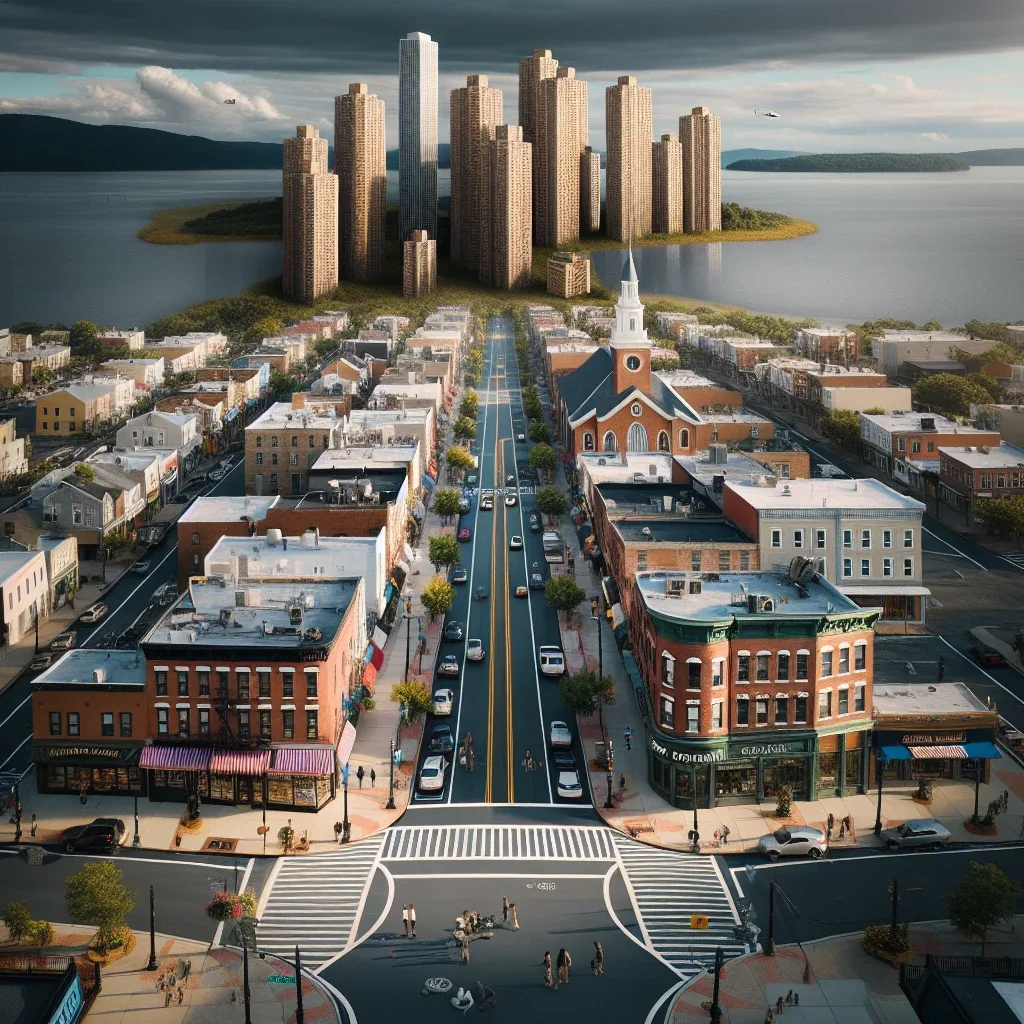
NEW YORK — Howard Beach residents are voicing growing concerns over the escalating U.S.Iran conflict and its immediate impact on their daily lives, particularly surging gasoline prices. President Donald Trump’s recent remarks, threatening swift military action and criticizing allies, have resonated across the Queens neighborhood, fueling discussions at local gathering spots. Global oil prices have spiked, with U.S. gas now exceeding $4 per gallon. Conversations at the Bagel Café on Cross Bay Boulevard frequently revolve around the $4.20 per gallon price point at the local Mobil station, a significant jump from previous months. Commuters, many traveling to Manhattan for work, express frustration over increased transportation costs, directly attributing them to the international tensions. The situation underscores how global events can quickly translate into tangible local economic pressures. Local Businesses and Commuters Feel the Pinch The rising cost of gasoline directly affects the financial planning of countless Howard Beach households. For many, a longer commute means a larger portion of their weekly budget diverted to fuel, leaving less for other necessities. Local businesses that rely on deliveries or employee travel are also beginning to see their operating costs increase, potentially leading to higher prices for consumers. “It’s a constant worry,” remarked Maria Rodriguez, a Howard Beach resident and mother of two, at the Bagel Café. “Every time I fill up, it’s more expensive. How long can this go on?” The sentiment reflects a broader anxiety regarding the stability of household finances in the face of unpredictable global events. The current adds to this economic unease. Community Discussions and Political Divide The neighborhood exhibits a mixed reaction to President Trump’s tough stance on Iran. Many ItalianAmerican families attending St. Helen's Church voice support for the President’s assertive foreign policy. They believe a strong approach is necessary to protect U.S. interests and maintain global stability, even as they acknowledge the associated economic discomforts. Conversely, discussions among Queens community boards in nearby Ozone Park reveal concerns about emergency preparedness, with some officials contemplating fuel stockpiles. The broader political discourse around the conflict creates a noticeable divide within and around Howard Beach, reflecting differing views on the efficacy and consequences of military intervention. These varied opinions highlight the diverse political landscape of the area. Impact on Leisure and Local Traditions The ripple effects of the crisis extend beyond just gas prices, touching upon local leisure activities and community traditions. Fears of oil shortages have begun to circulate, raising worries about potential disruptions to summer barbecues and cherished fishing trips along the Howard Beach boardwalk. These activities are integral to the community’s seasonal lifestyle and sense of normalcy. Residents are questioning whether such leisure pursuits will remain affordable and accessible if energy costs continue to climb. The boardwalk, typically a vibrant hub for recreational activities, could see reduced foot traffic if economic pressures persist. This potential impact on local traditions underscores the profound way global conflicts can influence everyday life in a closeknit community like Howard Beach. A Broader Economic Outlook for New York Beyond Howard Beach, the soaring oil prices and geopolitical tensions cast a shadow over the broader New York economy. Businesses across the city are bracing for potential supply chain disruptions and sustained higher operating costs. Consumers statewide are likely to face increased prices for goods and services as transportation and energy expenses rise for producers and retailers. Economic analysts are closely monitoring the situation, with some predicting a slowdown in consumer spending if the conflict prolongs. The uncertainty surrounding the situation makes longterm financial planning challenging for both individuals and businesses. The interconnectedness of global markets means that even a distant conflict can have substantial local repercussions, emphasizing the vulnerability of regional economies to international events. Looking Ahead: Community Resilience and Adaptation Despite the anxieties, Howard Beach residents are known for their resilience and adaptability. Community leaders are encouraging neighbors to support local businesses and to explore carpooling or public transportation options where feasible. While the immediate future remains uncertain, the community continues to seek ways to mitigate the economic fallout from the international crisis. Local civic associations and faithbased organizations are also playing a role in fostering dialogue and offering support. They are working to ensure that residents have access to resources and information as the situation evolves. The commitment to commu