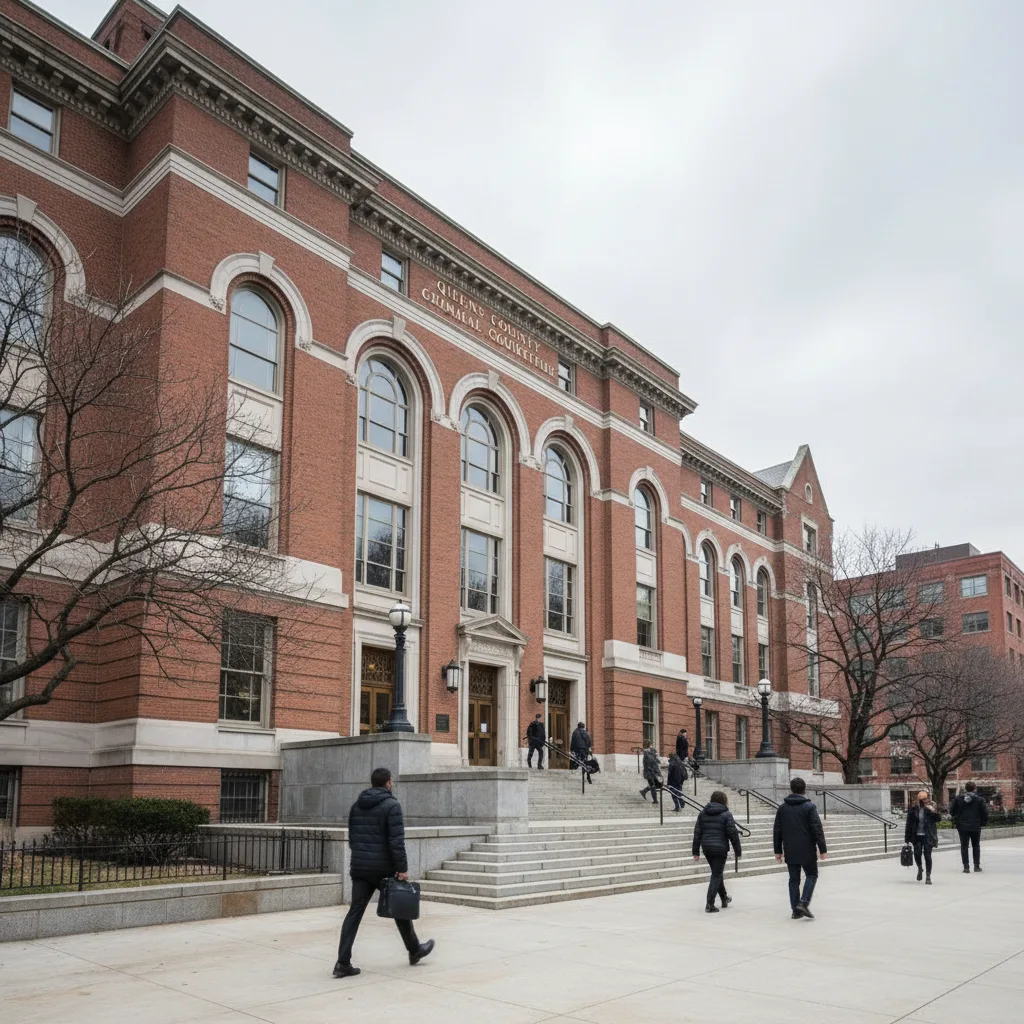
Karina Vetrano Murder Retrial: Opening Statements Conclude Monday in Queens By Newstrix | March 10, 2026 | Public Safety & Crime NEW YORK — Opening statements concluded Monday in Queens in the retrial of a man charged with murdering Howard Beach jogger Karina Vetrano, according to WABC. The highprofile case, involving Chanel Lewis, has once again brought intense focus to the 2016 crime and its implications for the local community. Prosecution and Defense Present Opening Arguments Prosecutors presented their initial arguments detailing the evidence they intend to bring against Chanel Lewis, who is accused of sexually abusing and strangling 30yearold Vetrano. The state's case is expected to rely heavily on forensic evidence and a confession Lewis reportedly made during the initial investigation, as reported by ABC7NY. These statements set the stage for weeks of testimony and evidence presentation. The defense, in turn, offered its counternarrative, likely focusing on challenging the confession's validity and the investigative methods used by law enforcement. They have previously raised concerns about racial profiling, suggesting that Lewis was unfairly targeted. The courtroom, filled with family members and media, reflected the significant public interest in this case, a pivotal moment for justice in the Howard Beach area. The Tragic 2016 Incident in Spring Creek Park Karina Vetrano was found dead in Spring Creek Park near her Howard Beach home in August 2016 after going for an evening jog. The park, a relatively secluded natural area, became the center of a massive police investigation and community search efforts. Her death sent shockwaves through the quiet Howard Beach neighborhood, leaving residents in mourning and fear. The initial investigation was extensive, involving numerous law enforcement agencies and community volunteers. The discovery of her body in the park prompted immediate and widespread calls for justice, with local residents and officials urging a swift resolution. This tragic event remains a painful memory for many in the Howard Beach community, reinforcing the need for justice. Chanel Lewis: The Accused and His Legal History Chanel Lewis, then 20 years old, was arrested months after the murder following a DNA match found at the crime scene. His arrest, initially seen as a breakthrough, also ignited debates over police procedure and civil liberties. Lewis’s first trial in 2018 ended in a hung jury, underscoring the complexities and challenges of the evidence presented, a common occurrence in highstakes criminal proceedings. This led to the necessity of the current retrial. This retrial is a critical juncture for Lewis, who has maintained his innocence throughout the proceedings. His legal team continues to challenge the prosecution's narrative, promising a vigorous defense. The legal intricacies of the case highlight the painstaking nature of the justice system, particularly in such a highprofile murder investigation. Howard Beach crime statistics show similar cases often take years to resolve completely, with . Community and Family Response to the Retrial The Vetrano family has been a constant presence throughout the legal proceedings, advocating for justice for Karina. Their resilience and determination have garnered widespread support from the Howard Beach community and beyond. The retrial’s opening statements undoubtedly reopened old wounds, yet also reignited hopes for a definitive resolution to the protracted legal battle. Community members in Howard Beach continue to follow every detail of the proceedings, reflecting the profound impact Karina Vetrano’s death had on the neighborhood’s sense of safety and wellbeing. The trial’s outcome will likely be met with strong emotions, regardless of the verdict, as residents seek closure and accountability. For the many in Howard Beach, this trial is not just a legal battle but a fight for peace within their community. Forensic Evidence and DNA Debates Central to both trials has been the forensic DNA evidence linking Lewis to the crime scene. The prosecution contends that this DNA is irrefutable proof of his guilt. However, the defense has consistently sought to cast doubt on the handling of this evidence and the potential for contamination or misinterpretation. These debates over scientific evidence are a hallmark of modern criminal trials. The role of DNA evidence in highstakes murder cases often becomes a battleground for expert witnesses, each presenting complex scientific arguments to sway the jury. The outcome of these discussions can profoundly influence a jury’s understanding of the facts. The integrity of the forensic process and the interpretation of the results will be critical factors in this retrial. Frequently Asked Questions How long do jury deliberations typically last in highprofile murder trials? Jury deliberations in highprofile murder trials can vary significantly, ranging from a few hours to several weeks, depending