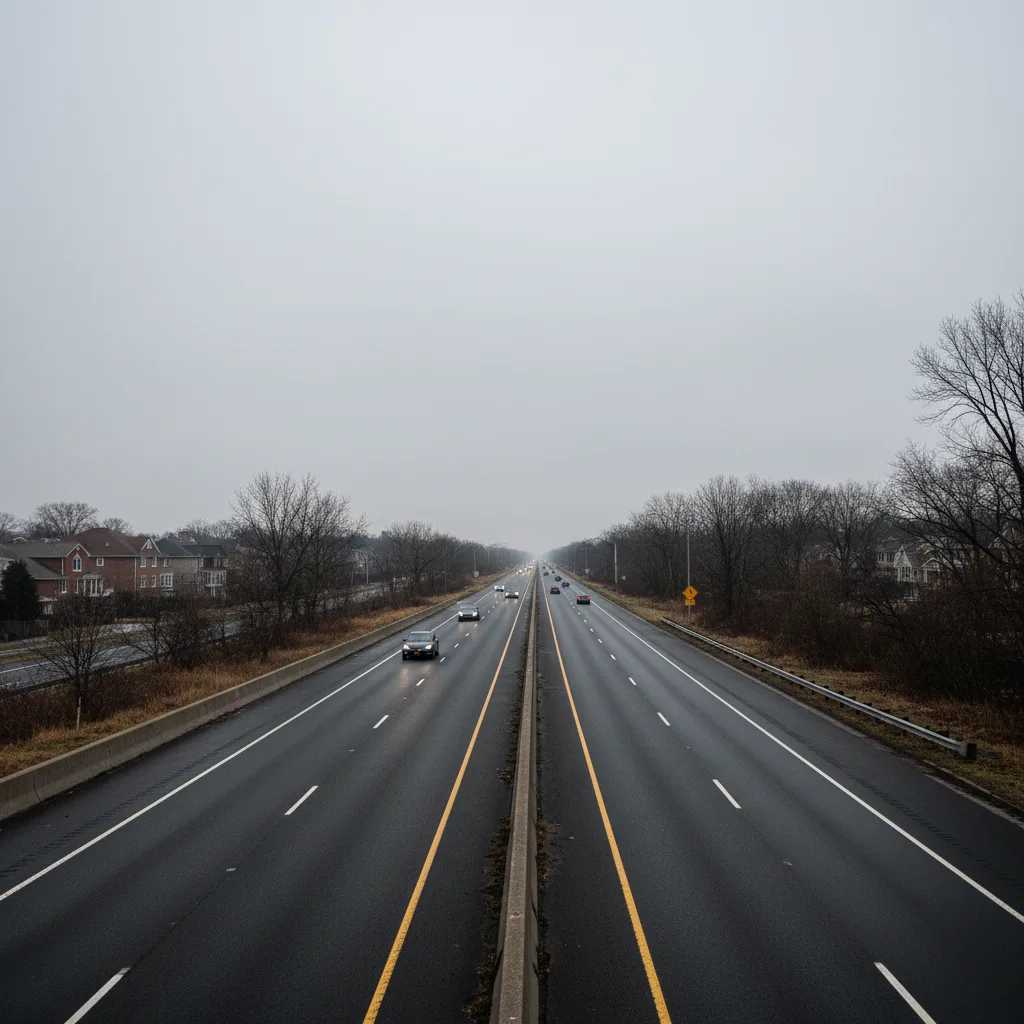
Michael Griffith's Tragic Death Recalled in Howard Beach After 30 Years By Howard Beach News Staff | October 3, 2026 | Community NEW YORK — Thirty years ago, in the early morning hours of December 20, 1986, 23yearold Michael Griffith ran for his life onto the Belt Parkway in Howard Beach, Queens, ultimately succumbing to a fatal car collision. The tragic event, which involved a white mob chasing Griffith, remains a painful chapter in New York City's racial history. This anniversary revisits the deepseated racial tensions that marked the era. Howard Beach Incident Sparks Outcry The incident in Howard Beach ignited widespread outrage and protests across New York City and beyond, drawing national attention to racial injustice. Griffith, a Black man, was chased by a group of white teenagers after his car broke down, leading to his desperate dash onto the busy parkway. His death underscored the racial divisions prevalent in many communities during that period. The Belt Parkway Tragedy of 1986 A car heading westbound on the Belt Parkway struck and killed Michael Griffith as he attempted to escape his pursuers. The immediate aftermath saw intense media scrutiny and community activism demanding justice. The Belt Parkway, a major thoroughfare in Queens, became an unwilling backdrop to a profound moment in civil rights history. Lingering Impact on Race Relations in Queens The Michael Griffith case continues to be a point of reflection on race relations in Queens and across New York City. The event spurred significant dialogues about prejudice, segregation, and the criminal justice system. Its legacy remains a potent reminder of past struggles and ongoing efforts towards racial equity. Legal Aftermath and Public Protests The legal proceedings following Griffith’s death were complex and highly publicized, with several individuals eventually facing charges. The trials and subsequent convictions were met with both relief and continued demands for broader systemic change. Largescale public protests highlighted the deep divisions and strong emotions surrounding the incident. Howard Beach and Historical Context of Racial Tensions The Howard Beach incident placed the neighborhood at the center of a national conversation about racial intolerance and neighborhood demographics. While much has changed in three decades, the memory of the event serves as a historical marker for residents and civil rights advocates. It underscores the continuous work required to foster understanding and inclusion in diverse urban environments. Frequently Asked Questions How did the Howard Beach incident change New York City's legal landscape? The Howard Beach incident significantly influenced New York City's legal landscape by sparking heightened awareness of hate crimes and racial bias in the justice system. It led to increased scrutiny of policing practices and prompted calls for reforms aimed at addressing systemic inequalities. The case became a reference point in discussions about civil rights and racial justice for decades. What role do local communities play in addressing racial tensions today? Local communities in areas like Howard Beach play a crucial role in addressing racial tensions through dialogue, education, and fostering inclusive environments. Community organizations, schools, and civic groups often host events and programs designed to promote understanding and bridge cultural divides. Ongoing engagement is key to building a more cohesive and equitable society.