


France Blames Iran for Supermarket Refrigerator Cyberattack, Seeks EU Sanctions
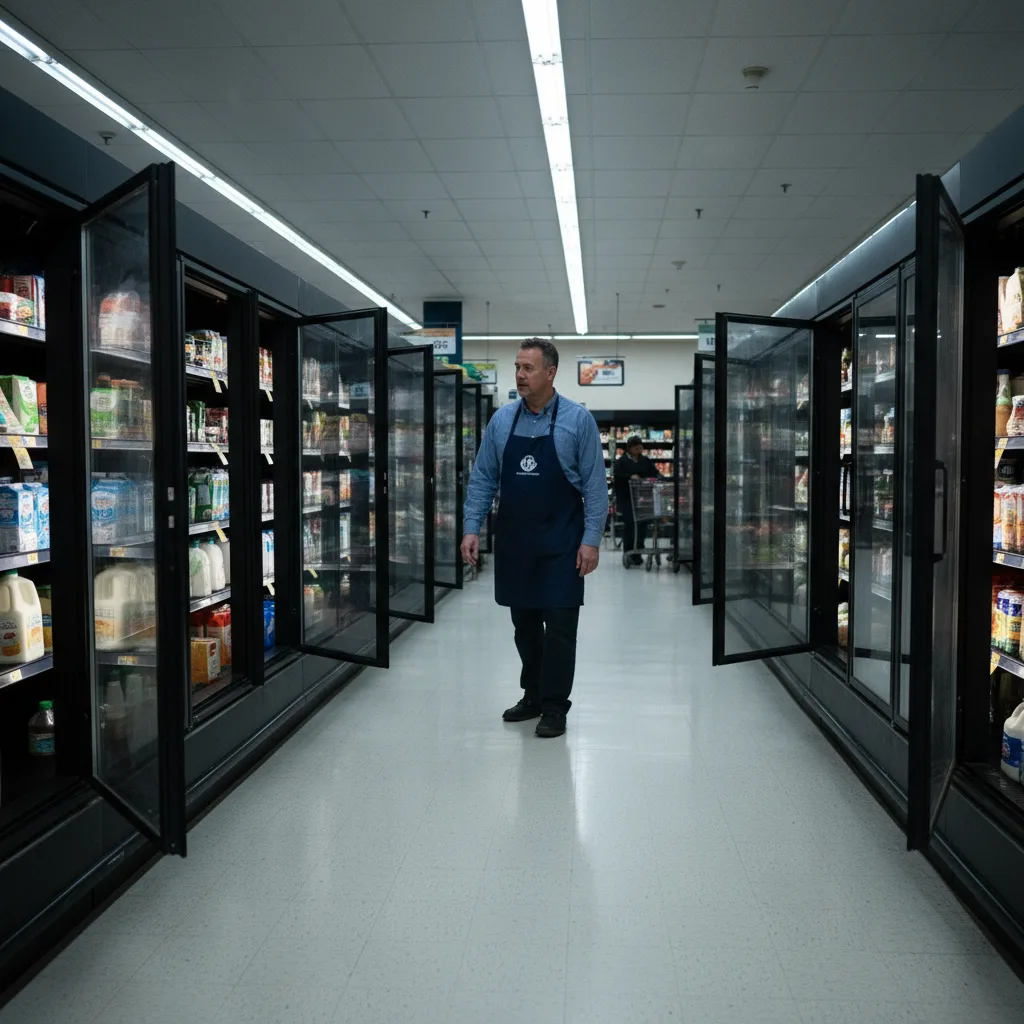
NEW YORK — France announced that Iran’s Islamic Revolutionary Guard Corps was responsible for a cyberattack involving supermarket refrigerators and declared plans to seek European Union sanctions. The accusation marks a significant escalation in cybersecurity tensions between European nations and Iran.
France Points Finger at Iran's Revolutionary Guard
France formally accused Iran’s Islamic Revolutionary Guard Corps (IRGC) of orchestrating a cyberattack that targeted supermarket refrigerators, causing widespread disruption. The direct attribution signals a firm stance by the French government against what it deems state-sponsored malicious cyber activity, according to SBS News. This incident has raised alarms across European cybersecurity agencies.
The attack impacted critical infrastructure, highlighting the growing threat of cyber warfare. French officials provided details linking the IRGC to the digital intrusion.
Cyberattack Disrupts Supermarket Operations
The cyberattack specifically targeted the control systems of supermarket refrigerators, leading to operational failures and potential food spoilage across various locations in France. Such an attack on essential services can have significant economic and social consequences, disrupting food supply chains and consumer confidence. The method of attack suggests sophisticated capabilities.
French authorities worked quickly to mitigate the damage and restore affected systems. The incident prompted a review of cybersecurity protocols within the country's retail sector.
France Seeks European Union Sanctions Against Iran
In response to the alleged cyberattack, France declared its intention to seek sanctions against Iran through the European Union. This move aims to impose economic and political pressure on Tehran for its purported involvement in hostile cyber operations. Securing EU-wide consensus for such sanctions would represent a united European front against Iran's cyber activities.
Diplomatic efforts are now underway to rally support among member states. The potential sanctions could target individuals or entities within the IRGC.
Growing Cyber Tensions Between Iran and Western Nations
This incident is the latest in a series of escalating cyber tensions between Iran and Western nations. Reports of Iranian state-sponsored hacking groups targeting critical infrastructure, government agencies, and private companies in Europe and the United States have become more frequent. These digital conflicts often mirror geopolitical rivalries and proxy struggles.
Western intelligence agencies have repeatedly warned about Iran's advancing cyber capabilities. The supermarket attack demonstrates a willingness to target civilian infrastructure.
Implications for European Cybersecurity Policy
The French accusation and call for sanctions will likely have significant implications for European cybersecurity policy. It could lead to a more coordinated and robust defense strategy across EU member states against state-sponsored cyber threats. Discussions may also focus on establishing clearer red lines and response mechanisms for such attacks, particularly those affecting civilian life.
EU member states are expected to review their collective security frameworks. The incident underscores the need for continuous vigilance and investment in cyber defense infrastructure.
Frequently Asked Questions
What was the nature of the cyberattack France is blaming on Iran?
France is blaming Iran’s Islamic Revolutionary Guard Corps for a cyberattack that specifically targeted supermarket refrigerators. This attack disrupted control systems, causing operational failures and potential food spoilage, highlighting a direct threat to critical civilian infrastructure within France.
Why is France seeking EU sanctions against Iran for this cyberattack?
France is seeking EU sanctions against Iran for this cyberattack to impose economic and political pressure on Tehran for its alleged involvement in hostile cyber operations. This move aims to establish a united European response and deter future state-sponsored cyberattacks against member states' critical infrastructure.
How significant is this accusation in terms of cybersecurity tensions?
This accusation is highly significant as it directly attributes a disruptive cyberattack on civilian infrastructure to Iran's Islamic Revolutionary Guard Corps, marking a substantial escalation in cybersecurity tensions between European nations and Iran. It underscores the growing threat of state-sponsored cyber warfare and could lead to broader EU policy shifts on cyber defense.
Written by
Howard Beach News Staff
Howard Beach News
Related Articles
More in National & World →
Turkey Steel Plant Explosion Kills 16 in Izmir Province November 10
An explosion at a steel plant in Izmir, Turkey, killed 16 people on November 10, 2026. Authorities are investigating the cause and potential negligence.
Trump Raises Election Fraud Claims as White House Briefly Locks Down November 10
Donald Trump questioned midterm election fairness on November 10, 2026, as the White House briefly locked down due to a vehicle crash and security breach. Political tensions rise.
Missile Strikes Hit Kyiv Region Ahead of Critical Talks November 2026
Missile strikes hit the Kyiv region on November 7, 2026, injuring five and damaging infrastructure, ahead of Russia-Ukraine-US talks. Global attention focuses on peace prospects.
MTA Renews Far Rockaway A Line Stations on November 12, 2026
The MTA repainted, relit, and repaired three A line stations in Far Rockaway on November 12, 2026.

Howard Beach Faces Heavy Rain and Flooding Risk November 12, 2026
Howard Beach faces heavy rain and a 100% chance of precipitation on November 12, 2026, with localized flooding possible.

Howard Beach Residents Grapple with Historic Winter Storm Impacts
Howard Beach residents contended with local challenges from a historic winter storm this past week, even as upstate New York battled record-breaking snow totals.