


Northeast Nor'easter Floods Region, Leaving 70,000 Without Power
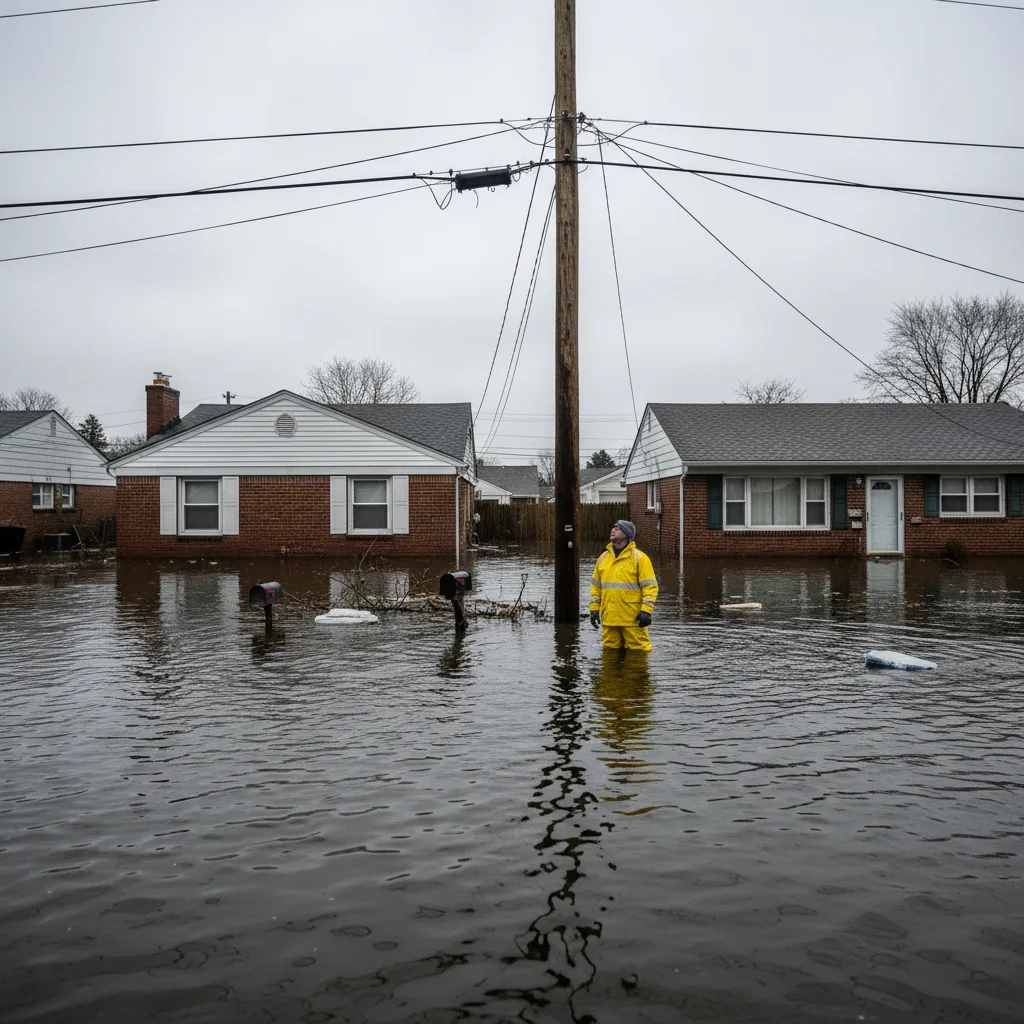
NEW YORK — A powerful nor'easter struck the U.S. East Coast on Saturday, November 2, 2026, unleashing heavy rain, high winds, and widespread coastal flooding that left over 70,000 utility customers across the region without power, according to Ground.News. This significant weather event caused problems from New Jersey to New England, prompting emergency declarations.
Nor'easter Unleashes Widespread Flooding and Power Outages
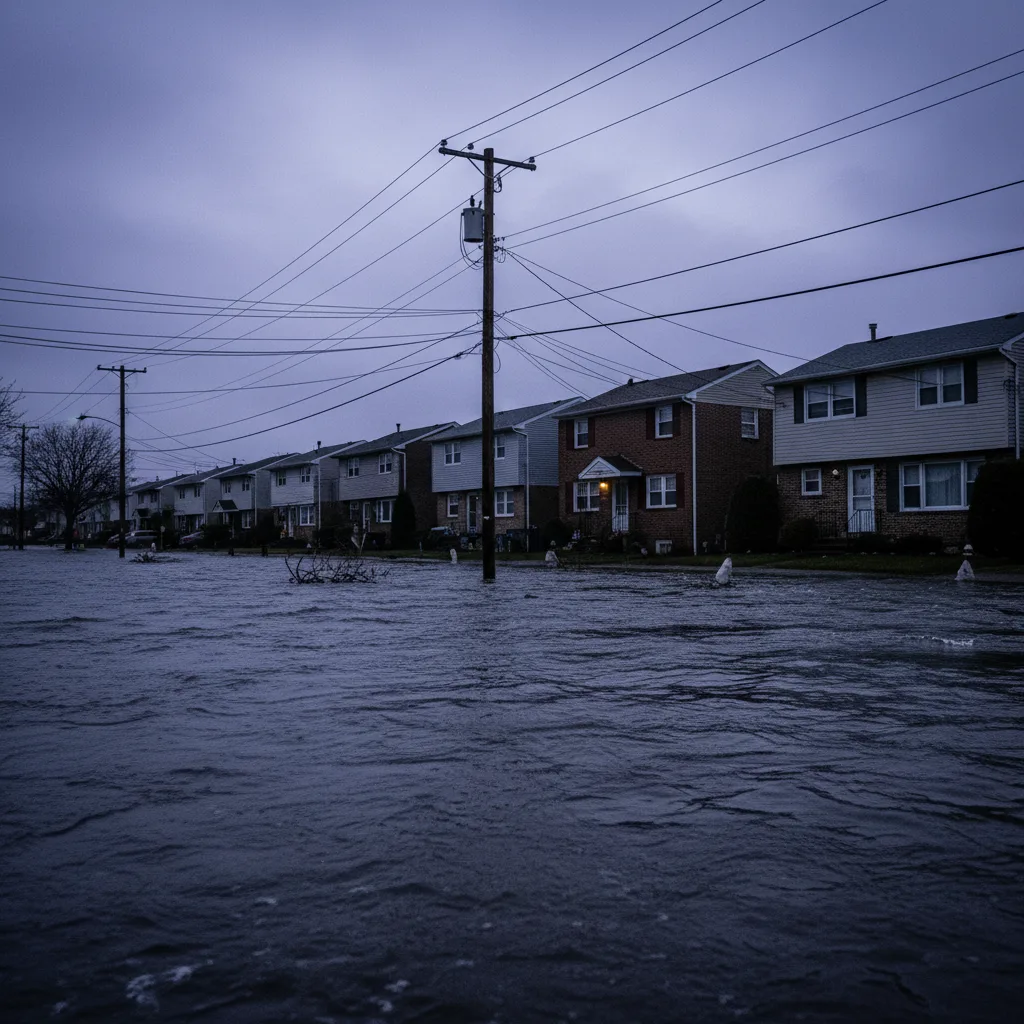
The nor'easter brought a deluge of rain and strong winds across the Northeast, leading to significant disruption. Coastal areas, particularly vulnerable to storm surges, experienced severe flooding, damaging property and rendering some roads impassable. The sheer scale of the power outages—exceeding 70,000 customers—highlights the intensity of the storm and its broad impact on daily life for residents.
Emergency services were stretched thin, responding to numerous calls for assistance, including stranded motorists and downed power lines. The storm's rapid development caught many off guard, despite weather advisories issued earlier in the week. Many homes in low-lying areas, including parts of Queens, were particularly susceptible to the rising floodwaters.
Governors Declare State of Emergency in Affected Regions
New York Governor Kathy Hochul and New Jersey Governor Mikie Sherrill both declared states of emergency in their respective states as the nor'easter intensified. These declarations enable quicker deployment of resources and personnel to assist with recovery efforts and enhance public safety. Such measures are crucial for coordinating a swift response to widespread natural disasters.
The emergency declarations also allow for greater flexibility in accessing state and federal aid to address the damage caused by the storm. Officials urged residents to heed all warnings, avoid flooded roads, and stay indoors to minimize risks. The quick action by state leaders aimed to mitigate further harm and expedite recovery.
Howard Beach and Hamilton Face Repeated Flooding Issues
While the nor'easter impacted a vast region, communities like Hamilton and Howard Beach in Queens faced particularly challenging conditions due to repeated flooding. Residents in these areas are unfortunately familiar with the devastating effects of coastal storms, which often inundate streets and properties. The recent nor'easter compounded existing vulnerabilities, highlighting persistent environmental challenges.
Local news outlets, including Howard Beach News, reported on the extensive flooding in these neighborhoods, documenting the disruption to daily life. These communities, nestled near waterways, often bear the brunt of such weather events. Addressing long-term solutions for coastal resilience remains a critical concern for local authorities and residents.
Recovery Efforts Underway Amidst Damaged Infrastructure
As the nor'easter begins to subside, recovery efforts are actively getting underway across the affected states. Utility crews are working tirelessly to restore power to the tens of thousands of customers still in the dark. The process of assessing and repairing damaged infrastructure, including roads and public utilities, will take considerable time and resources.
Authorities are also evaluating the extent of property damage, particularly in flood-affected coastal communities. Long Island and parts of New England experienced some of the most significant impacts, with homeowners facing extensive cleanup. Resources are being mobilized to assist affected residents in rebuilding and recovering from the storm's aftermath.
Preparing for Future Extreme Weather Events
The repeated impact of powerful storms like this nor'easter underscores the increasing need for enhanced preparedness and resilient infrastructure. Climate scientists have noted a trend towards more frequent and intense weather events, necessitating proactive measures from local and state governments. Investments in flood defenses and updated urban planning are crucial for protecting vulnerable communities.
Public awareness campaigns and community-level emergency planning are also vital components of future preparedness. Residents are encouraged to develop their own emergency kits and evacuation plans to ensure their safety during severe weather. Lessons learned from this and previous storms will inform future mitigation strategies across the Northeast.
Frequently Asked Questions
How many utility customers lost power during the nor'easter?
Over 70,000 utility customers across the Northeast region, from New Jersey to New England, lost power due to the powerful nor'easter that struck on Saturday, November 2, 2026. Crews are actively working to restore electricity to all affected areas.
Which New York communities experienced significant flooding?
Communities such as Hamilton and Howard Beach in Queens experienced significant and repeated flooding during the nor'easter. These coastal neighborhoods are often vulnerable to such weather events, with streets and properties being inundated by rising waters.
What measures are being taken to address the storm's impact?
Both New York Governor Kathy Hochul and New Jersey Governor Mikie Sherrill declared states of emergency to facilitate resource deployment and aid. Recovery efforts include power restoration, infrastructure repair, and damage assessment, with long-term plans for enhanced coastal resilience.
Written by
Howard Beach News Staff
Howard Beach News
Related Articles
More in Health & Weather →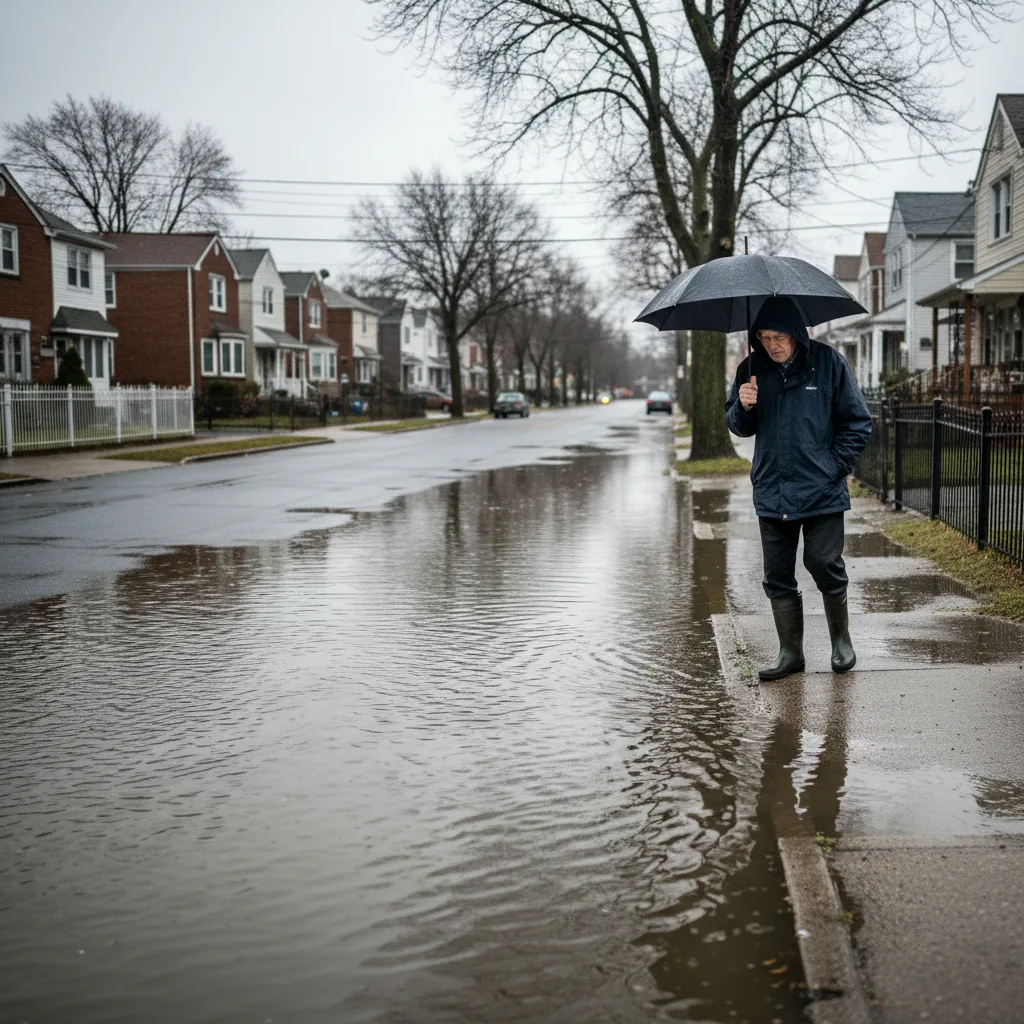
Howard Beach Faces Heavy Rain and Flooding Risk November 12, 2026
Howard Beach faces heavy rain and a 100% chance of precipitation on November 12, 2026, with localized flooding possible.
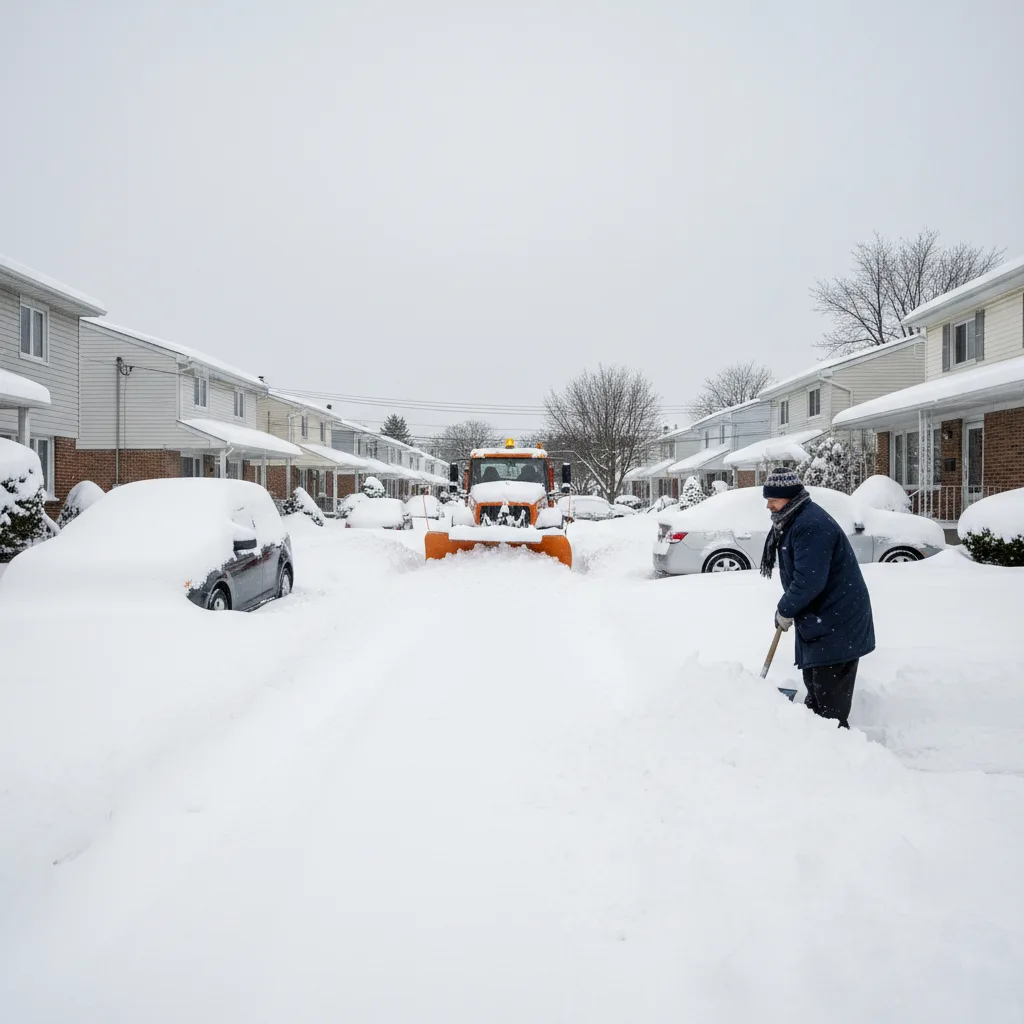
Howard Beach Residents Grapple with Historic Winter Storm Impacts
Howard Beach residents contended with local challenges from a historic winter storm this past week, even as upstate New York battled record-breaking snow totals.
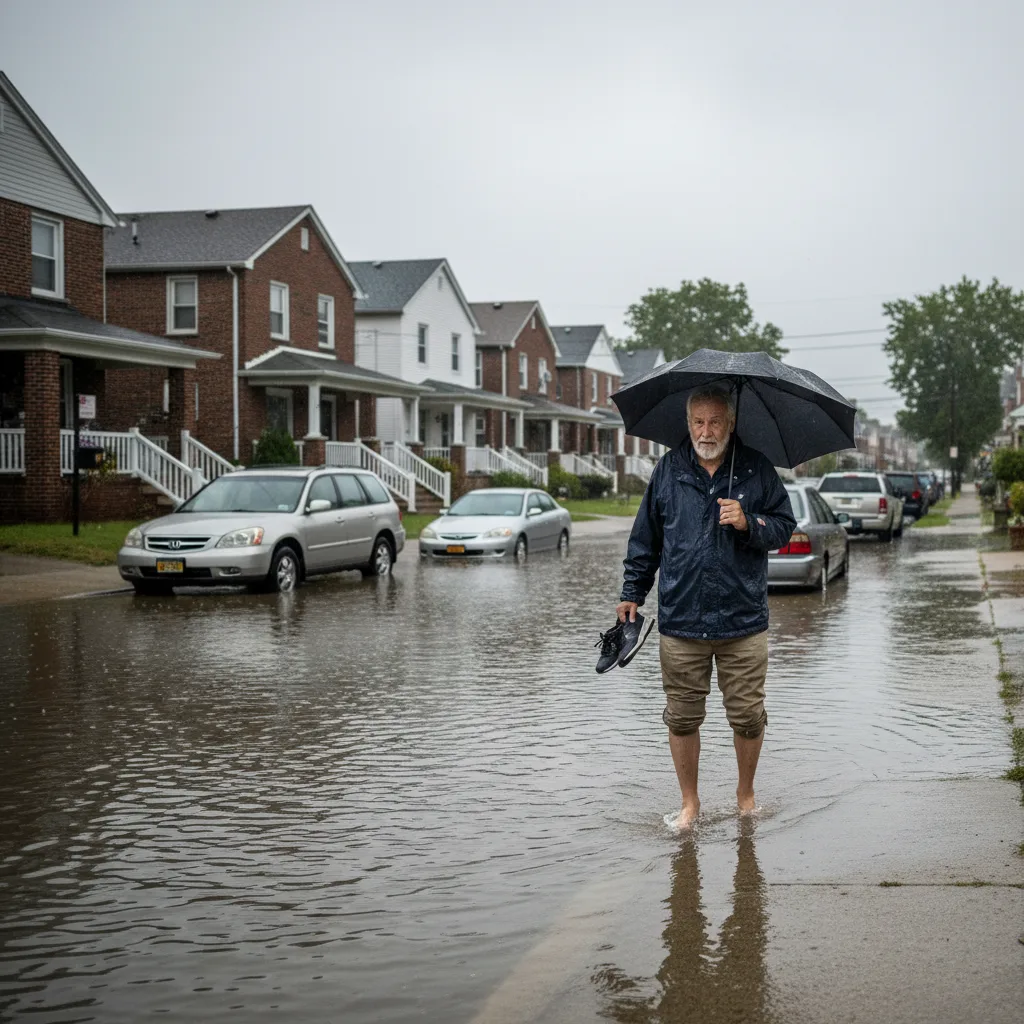
Howard Beach Residents Face Renewed Flooding Concerns After Rains
Howard Beach residents faced renewed flooding concerns this week after heavy rains on November 1, highlighting the community's ongoing vulnerability to inundation.
Powerful Nor'easter Floods Northeast Again, Causing Widespread Problems
A powerful nor'easter on November 7, 2026, left over 70,000 utility customers without power across the Northeast. Heavy rain and coastal flooding caused widespread issues.
MTA Renews Far Rockaway A Line Stations on November 12, 2026
The MTA repainted, relit, and repaired three A line stations in Far Rockaway on November 12, 2026.
Cross Bay News Highlights November 2026 Queens Archive Stories
Cross Bay News's November 2026 archive details a wide range of local stories across the borough of Queens, including public safety updates and community developments.