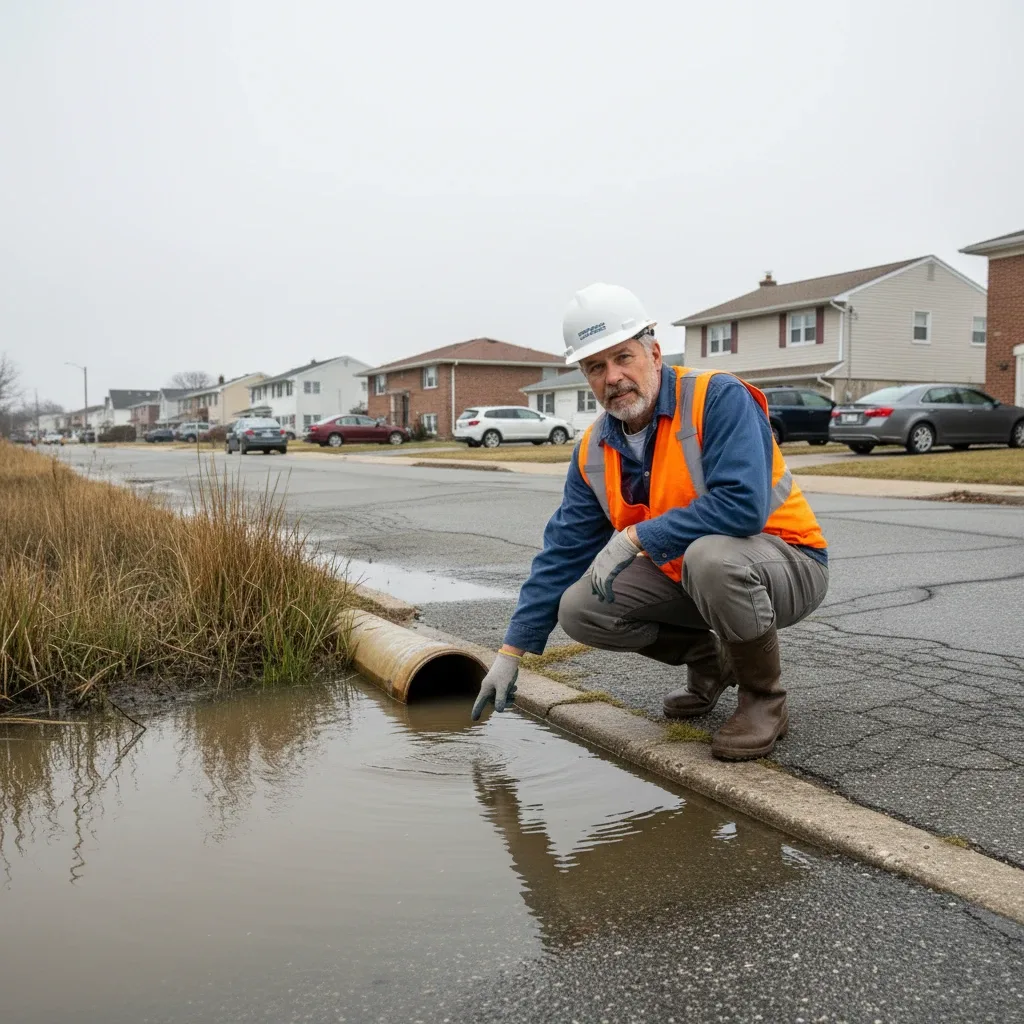
Old Howard Beach Drainage Study Funded by Municipal Infrastructure Grant By Newstrix | August 13, 2026 | Development & Infrastructure NEW YORK — Queens Borough President Donovan Richards announced a $4.2 million capital allocation Thursday morning to fund comprehensive drainage improvements across the waterfront neighborhoods of South Queens. The local infrastructure investment aims to address chronic street flooding that regularly impacts residential streets during high tides. Engineering Assessment Focuses on LowLying Coastal Drainage Basins The municipal funding will support a detailed study of the aging drainage networks that surround Old Howard Beach and Hamilton Beach, according to the Queens Daily Eagle. Environmental engineers will assess the structural integrity of local outfall pipes and evaluate the feasibility of installing highcapacity tidal checkvalves. Local civic leaders have long advocated for capital upgrades to address the neighborhood's vulnerability to sealevel rise. The upcoming study represents the first phase of a broader multiyear infrastructure modernization plan designed to protect coastal residential properties. Borough President Details Capital Infrastructure Allocation Goals "This capital funding is a direct investment in the longterm viability of our coastal Queens neighborhoods," Borough President Donovan Richards said Thursday afternoon. Richards emphasized that municipal engineering must evolve to protect vulnerable South Queens residential sectors from chronic tidal flooding. City planners intend to use the study's findings to design target elevation projects for highrisk roadways. These streetlevel upgrades are planned to coordinate with scheduled water main replacements to minimize construction disruptions for local businesses. Homeowners Track Tidal Inundation Trends on Neighborhood Digital Portals Residents along the canals continue to document streetlevel flooding using regional online platforms, providing valuable observational data to city engineers. The communitysourced data highlights specific intersections that experience significant ponding even during minor rain events. This ongoing coastal issue is detailed further on the , where coastal homeowners post photographic evidence of localized drainage backflow. This collaborative documentation helps municipal crews identify blocked catch basins requiring immediate clearance. Historical Drainage System Vulnerabilities in Waterfront Communities Many of the neighborhood's existing storm water networks were constructed decades ago, designed for lower sea levels and less intense precipitation patterns. Over time, sediment accumulation and structural settling have reduced the capacity of these gravityfed drainage systems. To contextualize these infrastructure challenges, researchers are reviewing past engineering studies, including the , which document longterm coastal erosion trends. The modern study will incorporate updated climate projections to ensure future retrofits remain effective. Community Board Civic Forums Scheduled for Public Engineering Reviews Queens Community Board 10 is planning a series of public forums where residents can review the engineering study's initial findings and ask questions. These sessions will allow the public to provide feedback on proposed construction timelines and traffic detour options. Municipal representatives emphasize that community input is vital to balancing infrastructure needs with neighborhood quality of life. The formal presentation dates will be published on the Community Board's civic calendar next month. Frequently Asked Questions Which specific areas in South Queens will be covered by the new drainage study? The engineering study will focus on highrisk coastal streets in Old Howard Beach and Hamilton Beach, particularly those directly adjacent to Hawtree Creek and Shellbank Basin. The assessment will identify specific outfalls and checkvalves that require immediate upgrade. For further details on local municipal coverage, readers can consult the . When is the construction phase of the drainage upgrades expected to begin? The comprehensive engineering study is projected to take approximately twelve months to complete, after which the city will finalize design plans and allocate construction contracts. Physical roadway elevation and drainage retrofits are tentatively scheduled to begin in late autumn of 2027.