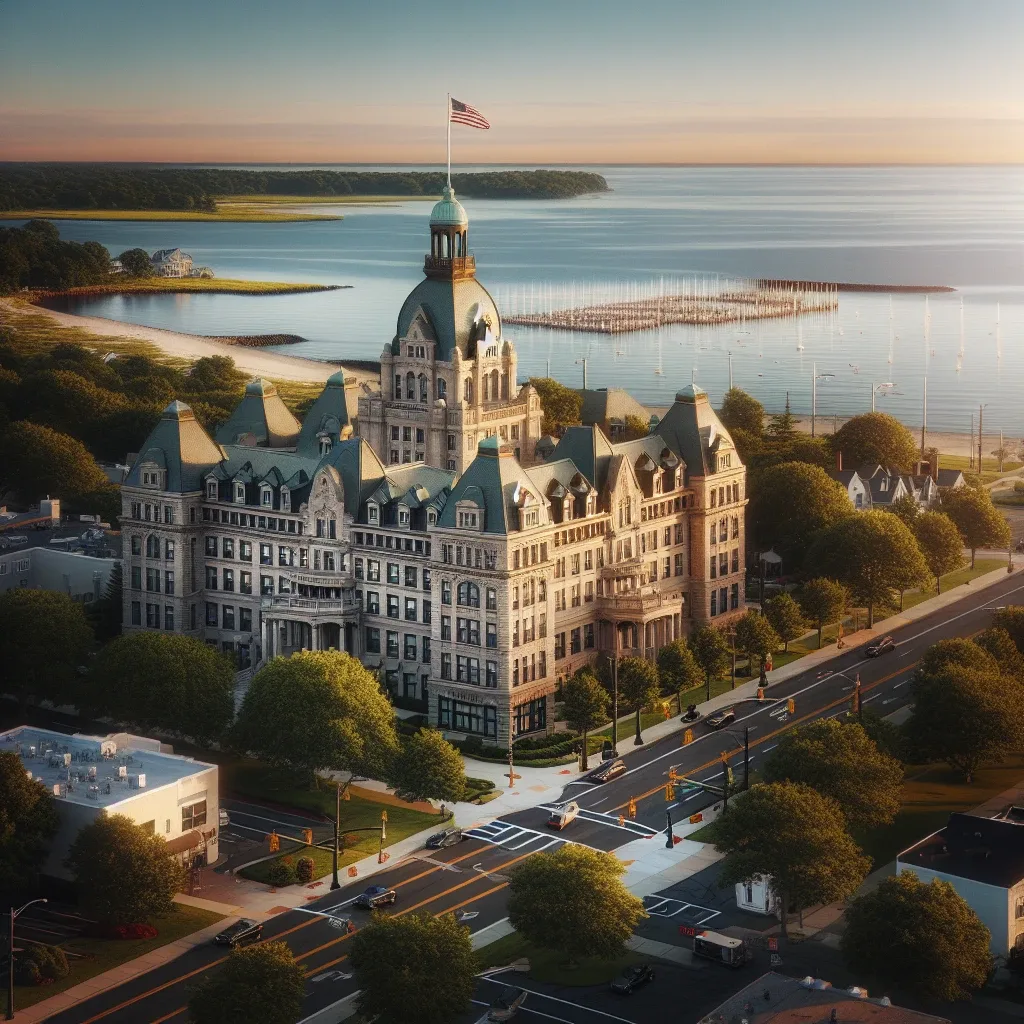
NEW YORK — City officials today outlined a comprehensive plan to bolster flood defenses in Old Howard Beach, a neighborhood historically vulnerable to the ebb and flow of lunar tides and stormwater runoff. The initiative, announced by the Department of Environmental Protection (DEP) and local Council Member Felicia Cortez, aims to protect homes and businesses from the increasing frequency of tidal inundation. The plan introduces several advanced engineering solutions and policy changes designed to specifically address the unique hydrological challenges of Old Howard Beach. Residents living closest to the basins, such as those along 157th Avenue and 99th Street, have long grappled with streets turning into temporary canals during peak tidal cycles, significantly disrupting daily life and causing property damage. This systematic approach marks a significant investment in the area's longterm environmental stability and community welfare. Enhanced Infrastructure and Basin Management The cornerstone of the new strategy involves the upgrade and expansion of existing drainage infrastructure, coupled with refined tidal basin management protocols. Specifically, the DEP plans to install three new highcapacity pump stations near the Spring Creek Basin by late 2026, increasing water removal efficiency by an estimated 40%. These pumps are designed to activate automatically during periods of anticipated high tide and heavy rainfall. "Old Howard Beach deserves robust protection," stated Council Member Cortez during a press briefing held at the Old Howard Beach Library Branch. "Our community has been resilient for decades, but the climate realities of 2026 demand proactive, permanent solutions. This investment in pump technology and improved basin maintenance is a critical step forward, directly addressing concerns raised by residents. We listened to the continuous feedback from local residents, and this plan reflects those priorities." In addition to pump stations, the DEP will embark on a multiyear project to reinforce and elevate approximately 2.5 miles of shoreline along vulnerable sections of the Jamaica Bay coast. This will include the construction of lowprofile floodwalls and strategically planted natural barriers, intended to absorb storm surge energy and prevent overtopping. This combination of grey and green infrastructure provides a holistic defense against the unpredictable forces of nature. Historical Vulnerability and Community Engagement Old Howard Beach, with its intricate network of canals and proximity to open water, has always faced a unique battle against the sea. Historical records from the Queens Borough President’s office indicate significant flooding events dating back to the 1960s, though the intensity and frequency have notably increased in the past two decades. The area's topography, much of it built on reclaimed land, contributes to its susceptibility. Community engagement has been integral to developing these new strategies. Over the past 18 months, the DEP conducted five public workshops and numerous stakeholder meetings with local civic groups, gathering crucial input from residents. These sessions allowed for a direct exchange of ideas, ensuring that the proposed solutions align with the community's lived experiences and concerns. This collaborative process ensures that the solutions are practical and locally relevant. For additional details on communityled initiatives, residents can refer to discussions around . Timeline and Funding for Resiliency Projects The first phase of the flood mitigation project, focusing on the pump station installations, is slated to begin in Spring 2026, with an estimated completion by December. The shoreline reinforcement project will commence in early 2027 and is projected to take three years to complete. The total estimated cost for these initial phases is approximately $75 million, funded through a combination of city capital allocations and federal grants from FEMA's Hazard Mitigation Grant Program. These substantial funds underscore the severity of the challenge and the commitment to longterm protection. New York City's Chief Resiliency Officer, Dr. Lena Khan, underscored the city's commitment. "This isn't just about protecting property; it's about safeguarding lives and ensuring the enduring vitality of coastal neighborhoods like Old Howard Beach," she explained. "Our approach is datadriven, leveraging the latest climate science to build resilient communities for generations to come. The goal is to move beyond emergency responses and implement lasting preventative measures." Looking Ahead: A More Secure Future The unveiled strategies represent a significant stride towards creating a more floodresilient Old Howard Beach. While no plan can eliminate all risks, these investments aim to drastically reduce the impact of tidal flooding, preserving property values and, more importantly, the peace of mind of residents. The commitment from city officials, coupl