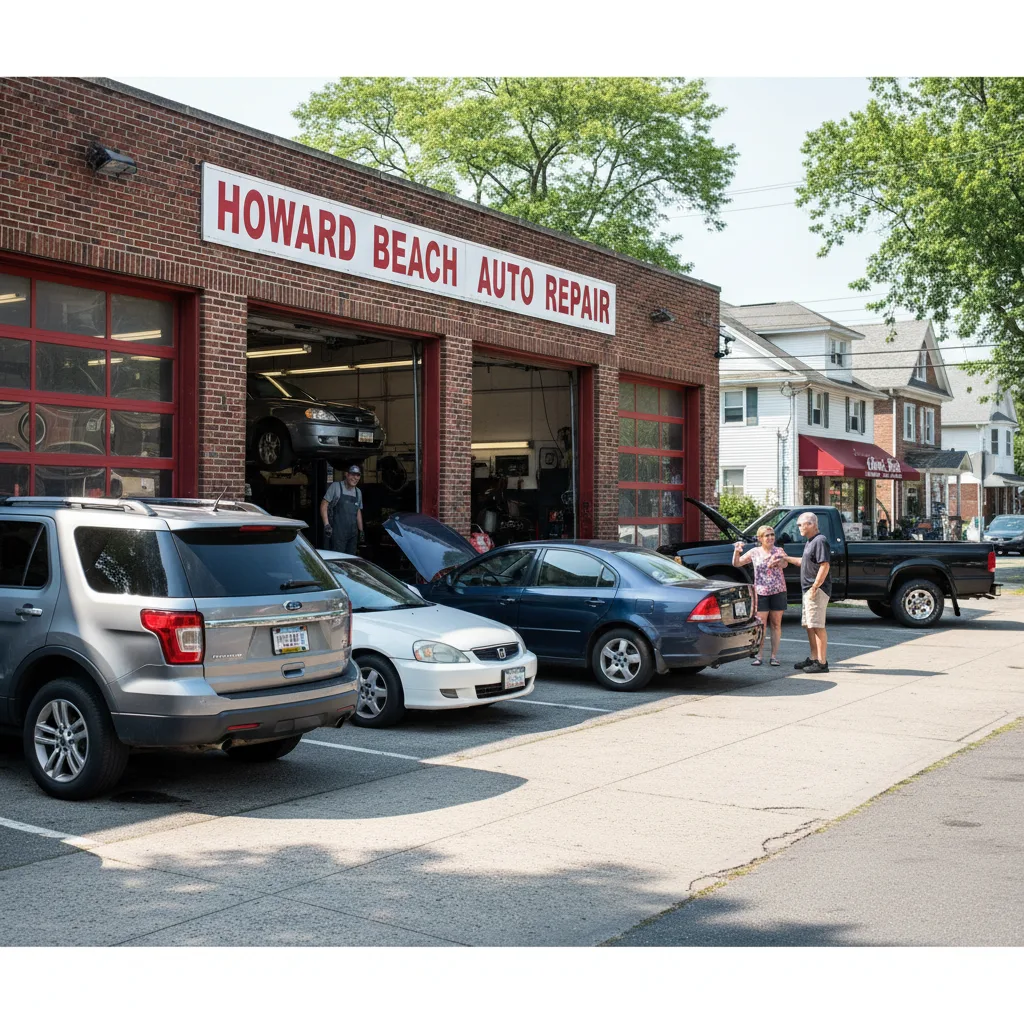
President Trump Warns Canada with 50% Tariffs on Key Industries By Newstrix | August 25, 2026 | Local Economy & Business NEW YORK — President Trump issued a strong warning to Canada on Wednesday, stating the nation must “fall in line” or face severe consequences, including new 50% tariffs on Canadian vehicles, auto parts, and steel. The declaration comes as global attention focuses on the potential for significant disruption to North American supply chains. Escalating Trade Tensions with Northern Neighbor The presidential announcement, reported by NDTV World News, signals a notable escalation in trade disputes between the two close allies. This threat follows previous rounds of contentious negotiations and tariffs that have strained economic relations throughout 2026. The proposed tariffs are designed to compel Canada into new trade agreements. This aggressive stance is part of a broader strategy by the administration to rebalance trade relationships. Auto Industry Faces Significant Disruptions The automotive sector stands to be particularly hard hit by the proposed 50% tariffs on vehicles and auto parts. Manufacturers on both sides of the border rely heavily on integrated supply chains, with components often crossing the border multiple times during production. Howard Beach is home to numerous commuters and small business owners who rely on stable international trade. A trade war with Canada could directly impact the cost of new cars and vehicle repairs for residents across Queens, potentially increasing consumer prices. Steel Tariffs Threaten Construction and Manufacturing In addition to the automotive sector, the threat of 50% tariffs on Canadian steel could have farreaching implications for industries in the United States, including construction and manufacturing. Steel imports are crucial for many American businesses. Local construction projects in areas like Howard Beach might see material costs rise, potentially delaying development or increasing the final cost for consumers. This kind of economic pressure often translates into higher prices for goods and services at the local level. Potential for Retaliation and Economic Fallout The Canadian government has indicated it would likely retaliate if new tariffs are imposed, mirroring previous responses in similar trade disputes. Such a titfortat tariff exchange could rapidly damage economic growth in both countries. The uncertainty caused by these trade threats is already a concern for businesses in Queens. Disruptions to international supply chains create instability, affecting everything from import prices to job security within the local economy. Howard Beach residents are already feeling anxious about the economy, especially with past discussions surrounding . Historical Context of Trade Disputes Trade tensions between the U.S. and Canada are not unprecedented. Historically, disputes over various commodities, including timber and agricultural products, have led to periods of friction. However, the current threats are among the most aggressive in recent memory, particularly concerning critical industrial sectors. These escalating trade conflicts often lead to higher prices at the consumer level, impacting household budgets across neighborhoods like Howard Beach. Businesses that rely on crossborder trade, such as certain retail outlets or specialized repair shops, could face significant operational challenges. Community Concerns Over Economic Impact While NDTV World News did not report specific reactions from Howard Beach residents to this latest tariff threat, discussions in Queens often revolve around the economic impact of such policies. Residents are likely to be concerned about potential increases in prices for imported goods and vehicles, as well as the stability of local jobs tied to these industries. The possibility of higher prices and job market instability adds another layer of financial concern for many families in the area. Such national policies inevitably filter down to affect the daily lives and purchasing power of individuals in local communities. These concerns are also present as residents recently discussed , highlighting a broader sensitivity to global economic shifts. Frequently Asked Questions What are the primary industries targeted by the new tariffs? The new 50% tariffs specifically target Canadian vehicles, auto parts, and steel. These are critical sectors for both the U.S. and Canadian economies, meaning the impact of these tariffs could be widespread and affect various related industries and consumer goods. How could these tariffs affect consumers in Howard Beach? Consumers in Howard Beach could experience higher prices for new vehicles, increased costs for car repairs due to more expensive auto parts, and potentially higher costs for goods impacted by steel prices. This could stretch household budgets and reduce discretionary spending in the community. What is the likelihood of Canada retaliating against these tarif