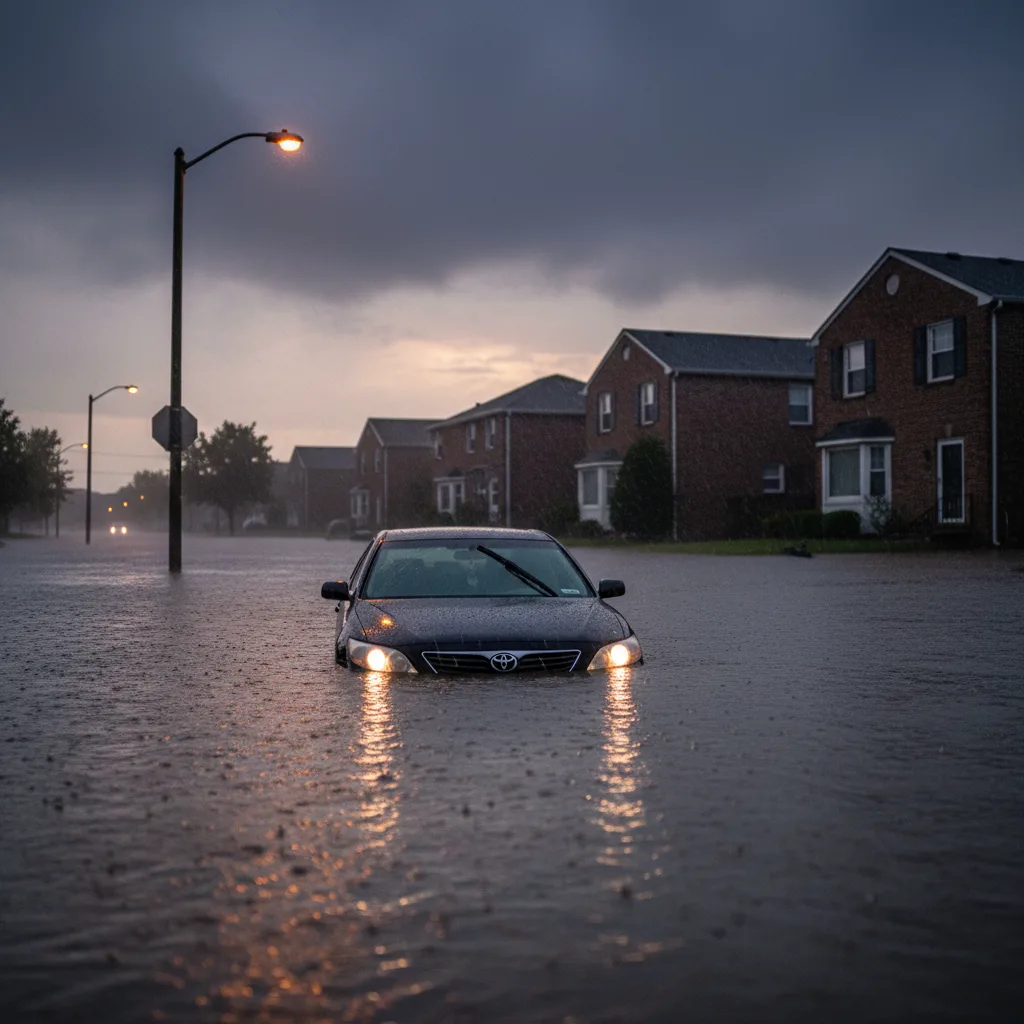
Queens Experiences Widespread Flooding and Power Outages from Storm By Howard Beach News Staff | September 1, 2026 | Health & Weather NEW YORK — Some Queens areas woke up underwater Friday morning after strong winds and heavy rain provoked coastal flooding in Howard Beach, Far Rockaway, Arverne, and other neighborhoods in the borough, Patch.com reported. The major storm also caused widespread power outages and led to numerous flight cancellations, severely impacting daily life for thousands of residents. Coastal Communities Submerged by Friday's Storm The intensity of Friday's storm brought significant disruptions, particularly to Queens' lowlying coastal communities. Howard Beach saw streets transform into waterways, making driving hazardous and trapping some residents in their homes. Other affected zip codes, as reported by the city, include 11224, 11235, 11414, 11691, and 11693, highlighting the extensive reach of the flooding. Emergency services responded to numerous calls for assistance throughout the morning, often navigating through deep floodwaters. Coastal flooding was exacerbated by high tides, pushing seawater inland and overwhelming drainage systems. Many basements and groundfloor properties in Howard Beach and surrounding areas experienced significant water intrusion. This caused considerable damage to homes and businesses across the affected zones. The rapid onset of flooding caught some residents unprepared, despite weather advisories. Widespread Power Disruptions Affect Thousands The severe weather conditions also triggered extensive power outages across Queens, leaving thousands of homes and businesses without electricity. Con Edison crews worked to restore power, but strong winds continued to hamper efforts. The outages compounded the difficulties for residents already dealing with flooded properties, impacting heating, communication, and refrigeration. Many traffic lights were nonoperational, leading to significant delays and hazardous driving conditions. Crews reported numerous downed power lines and fallen trees, further complicating restoration work. These widespread outages underscored the vulnerability of the borough's infrastructure during major storm events. Residents were advised to prepare for prolonged periods without power, especially in the hardesthit coastal areas. The lack of electricity also impacted essential services, requiring local authorities to deploy generators for critical community facilities. Flight Cancellations and Transportation Chaos The storm's impact extended to air travel, with all three major New York City airports reporting numerous flight cancellations and delays. LaGuardia Airport, often susceptible to weather disruptions, experienced significant operational challenges. Thousands of travelers found themselves stranded as airlines halted services for safety reasons. This ripple effect disrupted travel plans for people across the region, including many Howard Beach residents flying for business or leisure. Road closures, particularly on major thoroughfares like the Belt Parkway, added to the transportation chaos. Commuters faced severe delays and detours, with some routes becoming completely impassable due to flooding or debris. The Metropolitan Transportation Authority (MTA) reported some subway and bus service disruptions, though most lines managed to maintain service with delays. Community Response and Emergency Services Mobilization Emergency services in Queens, including NYPD and FDNY, were fully mobilized to address the storm's aftermath. Police units in Howard Beach were deployed to assist stranded motorists and check on vulnerable residents. The city also announced the opening of two service centers to provide assistance to affected individuals, offering shelter, food, and other essential resources. These centers became crucial hubs for residents displaced or severely impacted by the storm. Community organizations and volunteers also played a vital role in supporting recovery efforts, distributing supplies and helping neighbors. The collective response highlighted the strong community spirit in Queens during times of crisis. For more on local storm responses, consider , which covers NYPD's Level 3 mobilization. Preparing for Future Extreme Weather Events Friday's storm serves as a stark reminder of the increasing frequency and intensity of extreme weather events. City officials reiterated the importance of preparedness, urging residents to develop emergency plans, assemble gobags, and stay informed through official channels. Investments in infrastructure upgrades, like those recently previewed in Howard Beach, are becoming critical for longterm resilience. The city's Department of Environmental Protection is reevaluating stormwater management strategies based on the latest climate projections. The longterm strategy involves not only physical infrastructure but also public education and early warning systems. These comprehensive measures are e