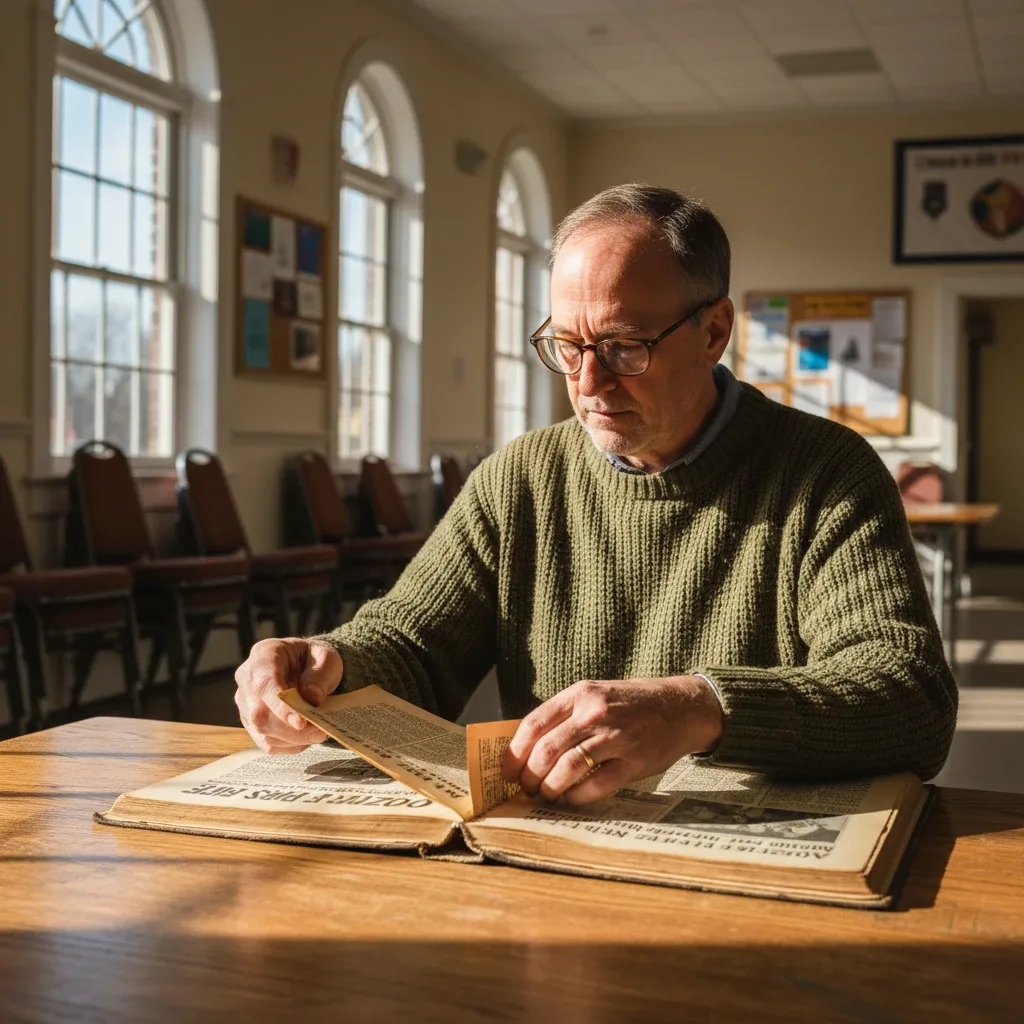
Queens Historians Commemorate Fortieth Anniversary of Civil Rights Legacy By Newstrix | May 14, 2026 | Government & Politics NEW YORK — Forty years after a raciallymotivated confrontation claimed the life of Michael Griffith on December 20, 1986, local historians and civil rights advocates gathered in South Queens to launch a digital education initiative. The collaborative project aims to preserve archival documentation of the event that became a turning point in New York City's modern social history. Digital Archive Launch Details Local Historical Context The Queens Historical Coalition organized the commemorative panel at a local community center, bringing together researchers, legal scholars, and neighborhood residents, as detailed on Wikipedia. The newly launched digital database contains oral histories, court transcripts, and newspaper clippings from the landmark 1986 trial. Archivists noted that the project is designed to provide high school students with primary source materials regarding the incident and its subsequent impact on municipal policy. The collection is publicly accessible through regional library servers starting this week. Civil Rights Advocates Discuss Judicial Reforms Born from Tragedy "Documenting these pivotal moments in our borough's history ensures that future generations understand the origins of our community's pursuit of equity," historical preservationist Eleanor Vance said Thursday. Vance emphasized that the prosecution of the 1986 case led to significant changes in how hate crimes are investigated and prosecuted statewide. Legal analysts on the panel discussed the role of special prosecutors in civil rights cases, a practice that gained traction following the local trials of the late 1980s. The discussions highlighted the evolving legal frameworks that now govern multiethnic urban communities. Community Initiatives Foster Constructive Dialogue on Local Legacy Local schools are integrating the newly compiled digital resources into their social studies curricula to encourage open discussions about civic responsibility. The program emphasizes conflict resolution and historical awareness as tools for building community cohesion. This educational push aligns with ongoing community efforts to promote inclusivity, which are frequently highlighted on the . Local parents and educators are utilizing these resources to organize youth workshops focused on collaborative neighborhood projects. Historical Markers Proposed for Southern Queens Transportation Corridors Civic organizations are currently reviewing proposals to install educational plaques near the transit corridors where the historical incident took place. Proponents argue that modest, factual markers would serve as constructive tools for public reflection and historical transparency. Opponents of the plan express concern over potential traffic disruptions along the busy commercial strips of Cross Bay Boulevard. Municipal planners are working to balance these perspective differences by selecting locations that do not impact pedestrian or vehicle flow. Regional Archives Expand Preservation of Local Civil Rights History The Queens Library system has committed resources to expand its local history collections, ensuring that neighborhood narratives from across the borough are preserved. Archivists are actively seeking additional photographs and personal diaries from the late 1980s to enrich the database. These preservation efforts represent a broader regional trend toward capturing the complex social evolution of New York's outer boroughs. By providing open access to these materials, researchers hope to foster a deeper, factbased understanding of local history. Frequently Asked Questions What was the historical significance of the December 20, 1986 incident in South Queens? The raciallymotivated attack resulted in the tragic death of Michael Griffith and catalyzed widespread civil rights protests across New York City. The subsequent legal proceedings led to critical reforms in hate crime legislation and the state's judicial approach to biasmotivated violence. For a comprehensive overview of the event, readers can consult the . How can local schools access the new digital historical archive? The Queens Historical Coalition has made the digital archive freely accessible online through regional library databases. Teachers can download curated lesson plans, primary source documents, and oral histories designed specifically for middle and high school social studies classes.