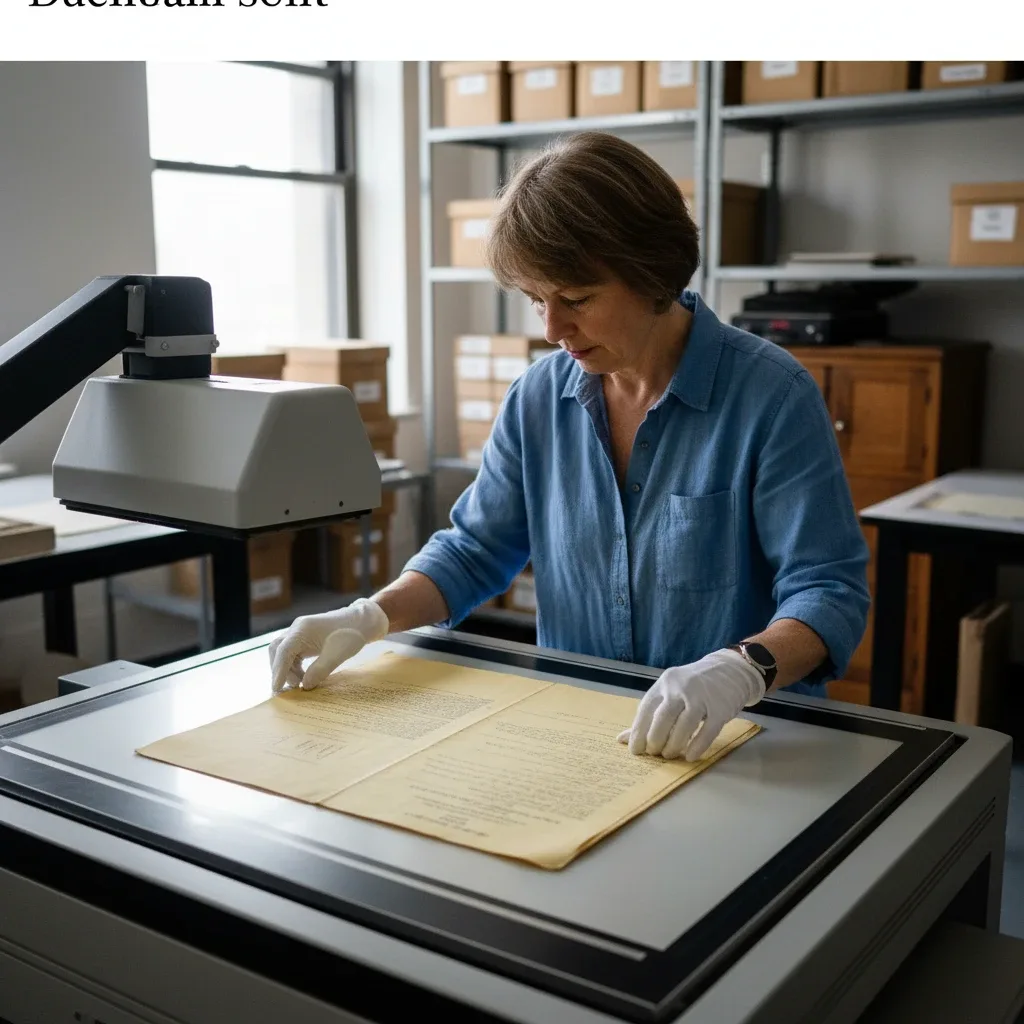
Queens Historical Society Digitizes Records of 1986 Howard Beach Case By Newstrix | March 15, 2026 | Government & Politics NEW YORK — Eightyfour distinct boxes of historical court stenographer files, police interview sheets, and handwritten legal transcripts have been successfully preserved. The digitization project, completed on Saturday, provides public access to the records of the 1986 Howard Beach incident. Archival Preservation Focuses on Queens Civil Rights Records The archival effort, managed by the Queens Historical Society, aimed to preserve crumbling paper records from a trial that shaped New York City civil rights history. According to Wikipedia, the Howard Beach racial attack occurred on December 20, 1986, resulting in the tragic death of 23yearold Michael Griffith. Archivists worked for six months to scan each page at high resolution, making the database searchable for legal researchers and historians. The newly public files include the personal journals of several civil rights advocates who organized demonstrations along Cross Bay Boulevard following the attack. Archive Directors Outline Educational Access and Public Initiatives "These digitized records will allow researchers to examine the legal frameworks and social movements of the era directly," Queens Historical Society Director Marla Kaplan announced Saturday afternoon. Kaplan added that the collection will serve as the foundation for a new public history curriculum on Queens civil rights movements. And the database release has been welcomed by local educators who teach urban sociology and municipal history. Teachers can now download lesson plans that use primary sources, such as original police reports and contemporary news clips from 1986. Community Dialogue Initiatives Launched Across South Queens Neighborhoods Several community organizations in Howard Beach are utilizing the release of these archives to launch new neighborhood historical dialogue programs. Local churches and civic halls will host guided discussions to examine how the community's relationship with public safety has evolved. This historical reflection comes as residents continue to focus on modern public safety issues and local policing strategies. Many neighbors join the to discuss current safety concerns and organize local block watch programs. These modern civic efforts highlight a persistent desire for clear communication between residents and local precinct leaders. Community boards have noted that open dialogue is essential for building trust and ensuring that safety measures are both effective and equitable. Modern Safety Infrastructure Integrates Lessons from the Past City planners are using historical neighborhood traffic data to design safer pedestrian crossings along the busy commercial stretches of Cross Bay Boulevard. The goal is to ensure that the urban environment remains accessible and safe for everyone who visits the area. These infrastructure improvements are occurring alongside other municipal updates, such as the that took place last month. These combined efforts reflect a comprehensive approach to modern urban safety. Researchers Examine Legal Frameworks of Special Prosecutor Appointments The digitized archives contain detailed records of the legal debates that led to the appointment of special prosecutor Charles Hynes. Legal scholars believe these documents offer valuable insights into how municipal authorities handle sensitive civil rights cases. And the preservation project has received additional funding from the New York State Council on the Arts to support the digitization of regional oral histories. Researchers plan to interview longtime residents of South Queens to document their memories of the neighborhood's changing demographics. Frequently Asked Questions What historical event is documented in the newly digitized Queens archives? The archives document the legal proceedings and historical context of the December 20, 1986, Howard Beach incident. In this event, Michael Griffith and two other Black men were attacked by a group of white youths after their car broke down near Cross Bay Boulevard, leading to Griffith's death. How can the public access these digitized historical records? The public can access the digitized records through the Queens Historical Society's online database. The collection is free to browse for educational, historical, and academic research purposes, with downloadable primary source documents available.