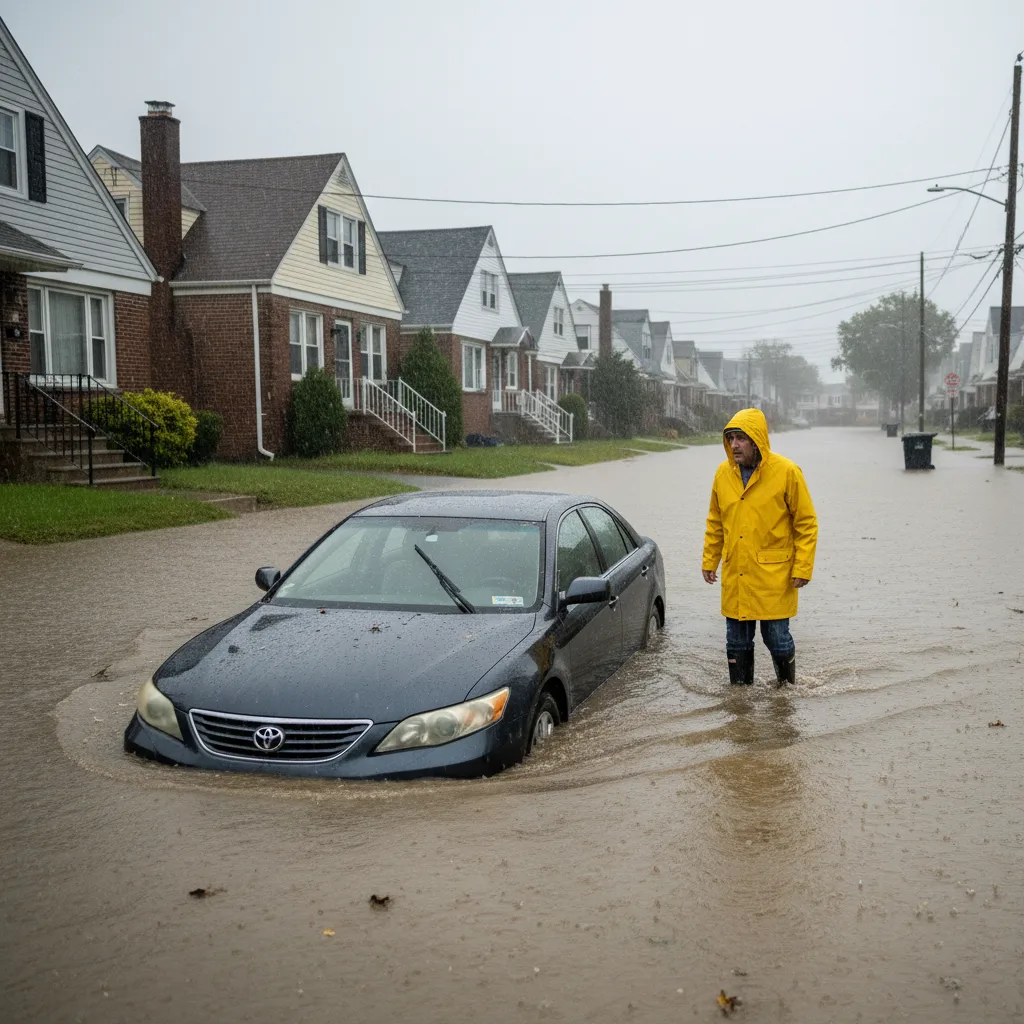
Severe March 2026 Storm Causes Major Traffic Disruption in Howard Beach By Newstrix | March 15, 2026 | Transportation & Traffic NEW YORK — A severe storm system brought torrential downpours and high winds to Howard Beach and the wider Queens area in March 2026, causing widespread traffic disruption and localized flooding, according to HowardBeach.News. The inclement weather led to significant challenges for commuters and residents throughout the day. Torrential Rains and High Winds Hit Queens The storm, which began in the early hours of March 15, 2026, delivered several inches of rain across Queens, quickly overwhelming drainage systems in lowlying areas. Coupled with high winds, the severe weather created hazardous driving conditions, reducing visibility and downing tree branches. The impact was particularly noticeable in areas prone to water accumulation, such as the basins surrounding Old Howard Beach and Hamilton Beach, where tides frequently run higher during full and new moons, as noted by the Queens Eagle. The intensity of the rainfall led to rapid street flooding, forcing some road closures and rerouting traffic. Emergency services were stretched responding to calls related to stalled vehicles, fallen debris, and minor accidents. This kind of severe weather event often highlights the need for robust infrastructure in coastal communities. Widespread Traffic Disruption Across Howard Beach Commuters traveling through Howard Beach experienced significant delays as major arteries, including portions of the Belt Parkway, faced slowdowns and temporary closures. Drivers reported lengthy backups and difficult navigation through waterlogged streets, as HowardBeach.News detailed. The disruption impacted local bus routes and complicated school pickups and deliveries. Police urged residents to avoid unnecessary travel and to exercise extreme caution if they had to be on the roads. The traffic chaos was exacerbated by a number of minor collisions, although no serious injuries were reported. This storm served as a reminder of how quickly weather conditions can alter the daily rhythm of urban life, particularly in transitheavy areas like Queens. Residents often check to prepare for such changes. Localized Flooding Impacts Residential Areas The torrential downpours led to localized flooding in several Howard Beach residential areas, particularly those adjacent to the Jamaica Bay. Water infiltrated streets and some lowlying homes, creating significant inconvenience and potential property damage for residents. These areas are particularly vulnerable during periods of heavy rain and high tides, a recurring concern for the community. City crews were deployed to clear storm drains and assist with water removal, but the volume of rainfall proved challenging. Residents in affected homes began the process of assessing damage and initiating cleanup efforts, a familiar struggle for those living near the water. For homeowners in floodprone zones, understanding is crucial for preparation. Community Response and Preparedness Efforts In the aftermath of the storm, Howard Beach residents and local community groups began organizing to support those most affected by the flooding. Discussions resurfaced regarding longterm solutions for flood mitigation and improved drainage infrastructure. The incident underscored the need for enhanced preparedness and resilience strategies in the face of increasingly severe weather events. Local government officials acknowledged the challenges and pledged to review existing infrastructure and emergency response protocols. The collective experience of enduring such a disruptive storm often strengthens community bonds, prompting neighbors to assist one another. These events also lead to renewed calls for investment in local infrastructure projects that can better withstand the impacts of climate change. Infrastructure Challenges and Future Outlook The March 2026 storm highlighted persistent infrastructure vulnerabilities in Howard Beach, particularly concerning stormwater management. Many of the existing drainage systems struggle to cope with the intensity of modern weather patterns, which are often more severe than what they were designed for decades ago. Urban planners and engineers face the task of upgrading these systems to protect communities. Discussions are ongoing about potential projects to reinforce seawalls, improve pumping stations, and implement green infrastructure solutions that can absorb excess rainwater. The longterm outlook for Howard Beach involves a multifaceted approach to climate resilience, integrating both engineering solutions and communitylevel preparedness. Ensuring the safety and navigability of local transportation networks remains a top priority for city planning. Frequently Asked Questions What causes localized flooding in Howard Beach? Localized flooding in Howard Beach often results from a combination of factors, including heavy rainfall, its proximity to Jama