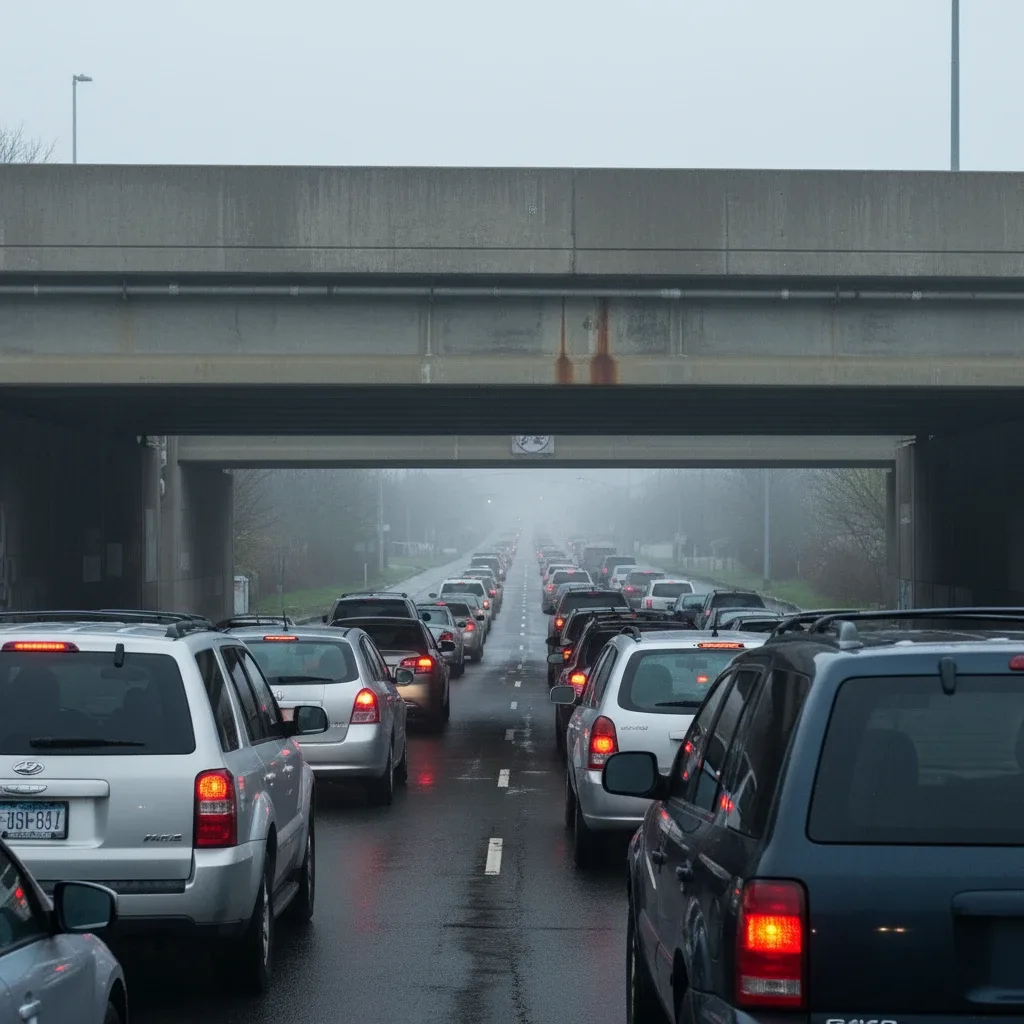
Belt Parkway Westbound Commuters Delay as Fuel Volatility Rises By Newstrix | March 11, 2026 | Transportation & Traffic NEW YORK — Commuters on the westbound lanes of the Belt Parkway faced severe delays Wednesday morning as fluctuating fuel costs and localized traffic snarls hit south Queens. The congestion was compounded by a minor multivehicle collision near the Cohancy Street overpass, New York State Department of Transportation monitoring cameras showed. Average travel times between the Nassau County border and the Van Wyck Expressway tripled during the peak of the morning rush. Commuters reported stopandgo conditions stretching back to Laurelton. Fuel Volatility Impacts Commercial Deliveries and Transit Routes Local logistics operators reported that fuel price volatility has forced route consolidations and altered departure schedules for delivery trucks. This shifting pattern has altered the traditional morning traffic flow on major arterial roads feeding into the parkway. Commercial vehicles, which are banned from the parkway itself, are increasingly utilizing adjacent surface streets like Linden Boulevard. This spillover has caused secondary bottlenecks throughout the Lindenwood and Howard Beach neighborhoods. Transportation Officials Recommend Alternates for Queens Motorists "We are closely monitoring the traffic patterns at key intersections along the southern corridor," Queens DOT Borough Commissioner Albert Silvestri said during a morning briefing. Silvestri urged drivers to utilize public transit alternatives, including the MTA’s Atrain or local express buses, to bypass the parkway bottlenecks. Transit workers reported a slight uptick in ridership at the Howard BeachJFK Airport station as motorists sought to avoid the gridlock. Traffic engineers are adjusting signal timings on local avenues to help move vehicles away from parkway exits. Regional Fuel Costs Elevate Operational Pressures on Commuters Rising energy costs have added financial pressure to Queens drivers who rely on the Belt Parkway daily. The unstable retail price of regular unleaded gasoline has fluctuated by nearly twenty percent over the last month, according to AAA Northeast data. This volatility has forced municipal agencies to review their fuel consumption projections for the fiscal year. Some local businesses have implemented temporary delivery surcharges to cope with the unpredictable overhead costs. Neighborhood Civic Leaders Push for LongTerm Transit Upgrades Members of the local community board are advocating for expanded express bus services to connect Lindenwood and Howard Beach directly to downtown Manhattan. Advocates argue that reliable mass transit is the only permanent solution to the corridor's chronic congestion. Civic leaders have scheduled a public hearing to discuss the impact of highway congestion on residential side streets. Motorists can find more information about previous traffic impacts by reading how during recent infrastructure reviews. Frequently Asked Questions Why does fuel volatility affect parkway traffic patterns? When fuel prices fluctuate rapidly, logistics companies and individual drivers adjust their routing and travel times to minimize fuel consumption. This often leads to consolidated trips, changes in peakhour traffic volume, and increased congestion on alternative routes that feed into major parkways. What are the best alternative routes to avoid Belt Parkway westbound delays? Motorists heading toward Brooklyn can utilize Linden Boulevard or the Conduit Corridor as alternative surface routes. However, transit officials strongly recommend using the MTA Subway's Rockaway Line (A train) from the Howard Beach station to avoid road delays entirely.