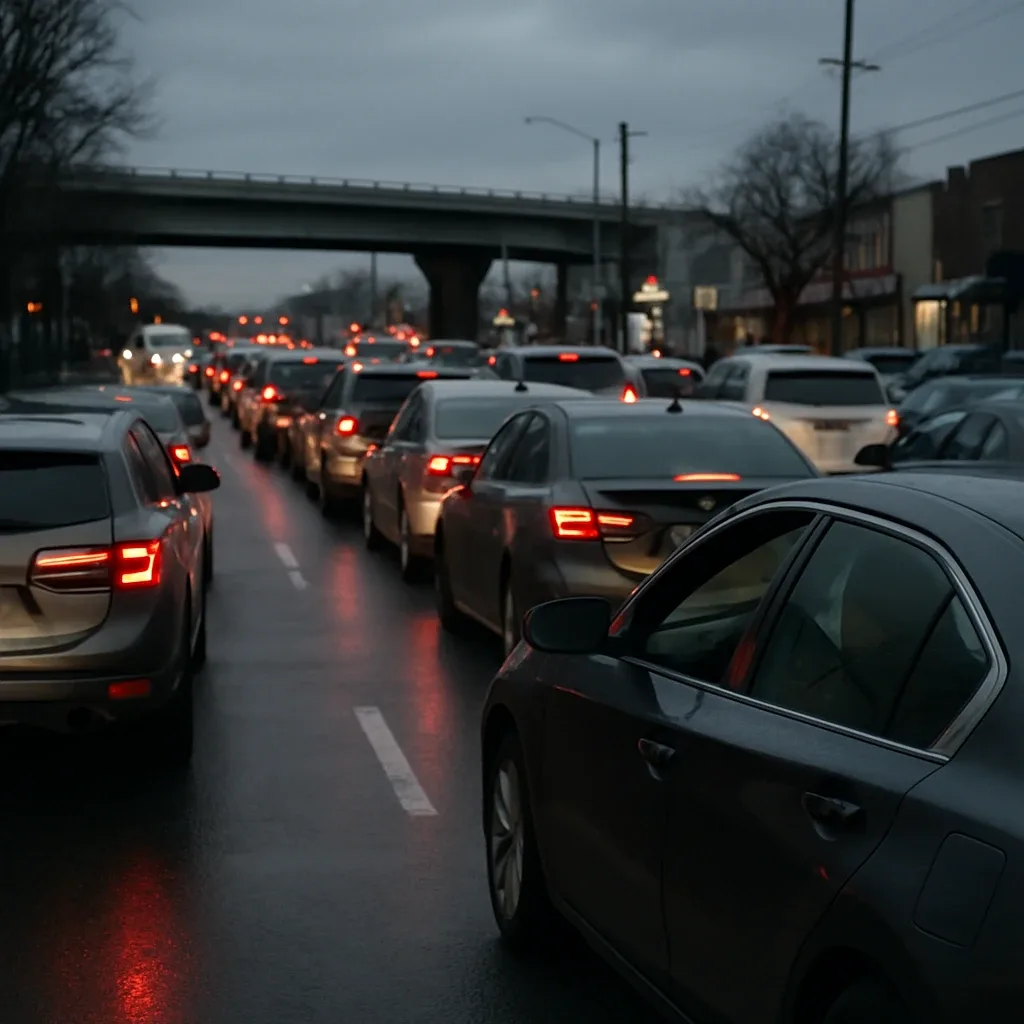
Traffic on the Belt Parkway Westbound Impacted by Fuel Volatility By Newstrix | February 25, 2026 | Transportation & Traffic NEW YORK — Twelve percent higher fuel price volatility over the past quarter has significantly shifted commuter routing patterns across the outer boroughs, regional transit surveys reported Wednesday. The ongoing fluctuations are driving local drivers to seek fuelefficient transit alternatives. According to metropolitan transit reports, commuter volumes along major westbound arterials have shifted as drivers adjust travel times to conserve fuel. This behavioral shift has altered traditional peak congestion hours, leading to unpredictable travel times near the VerrazzanoNarrows Bridge corridors. Outer Borough Drivers Modify Routing to Evade High Fuel Costs Traffic analysts note that outerborough residents, who face longer commuting distances, are increasingly utilizing secondary roads to bypass highway bottlenecks. This redistribution of traffic has increased local street congestion along commercial thoroughfares in south Queens. While the implementations continue to impact regional distribution networks, commuters are exploring carpooling options and offpeak travel schedules to manage rising transportation expenses. Transit coordinators emphasize that structural changes in commuting habits may persist even if fuel prices stabilize. Transportation Analyst Miller Recommends Public Transit Alternatives "Sustained fuel price volatility is accelerating the public's transition toward multimodal transportation options across the outer boroughs," transit infrastructure analyst Raymond L. Miller said during an online panel hosted by the Regional Plan Association on Wednesday. Miller added that expanding express bus services is critical for providing reliable alternatives to singleoccupancy vehicle trips. Transit advocates are calling for increased municipal investment in commuter parkandride facilities near regional rail stations. These facility upgrades would allow drivers to transition from highways to passenger rail systems before entering dense urban centers. Fuel Expenditure Statistics Highlight Growing Household Cost Pressures Household economic surveys indicate that transportation costs now account for an average of sixteen percent of total expenditures for families in south Queens. This represents the highest allocation toward transit costs recorded in the area since the global financial disruptions of the early 2000s. As reported by , ongoing military and political developments in Eastern Europe and the Middle East continue to influence domestic fuel distribution networks. These international factors highlight the vulnerability of local commuter economies to overseas resource challenges. Previous Middle East Conflicts Triggered Historic Local Commuting Changes Historical transportation data from the 1970s and 1990s confirms that geopolitical crises have repeatedly driven significant shifts in outerborough commuting behavior. During these periods, municipal authorities implemented carpooling mandates and expanded express subway services to accommodate the surge in transit ridership. By analyzing these historical precedents, urban planners can better anticipate demand shifts and allocate transit resources more efficiently. Local civic organizations continue to advocate for permanent transit infrastructure improvements to insulate residents from future energy market shocks. Commuter Relief Initiatives Scheduled for Legislative Review State representatives plan to introduce a legislative package next month aimed at providing transit tax credits for daily commuters who utilize public transportation. The proposed program is designed to ease household cost pressures while reducing overall vehicle emissions across the metropolitan area. These policy discussions represent a broader effort to build a sustainable and affordable regional transportation network. Commuters are encouraged to participate in public transit planning sessions to advocate for service enhancements in their respective neighborhoods. Frequently Asked Questions What public transit options connect Howard Beach to midtown Manhattan? Residents can utilize the MTA's IND Rockaway Line (A train) at the local transit station, which provides direct service through Brooklyn into Manhattan. Additionally, the Q11 and Q21 bus routes connect local passengers to major subway transfers in northern Queens, while several express bus lines offer direct routes to the Manhattan business districts during peak commuting hours. Are there carpooling initiatives active for South Queens commuters? The New York State Department of Transportation supports several regional ridesharing initiatives, including the 511NY Rideshare program, which matches commuters traveling along similar routes. These free platforms allow drivers to share commuting costs, reduce individual fuel expenditures, and decrease the number of singleoccupancy vehicles on regio