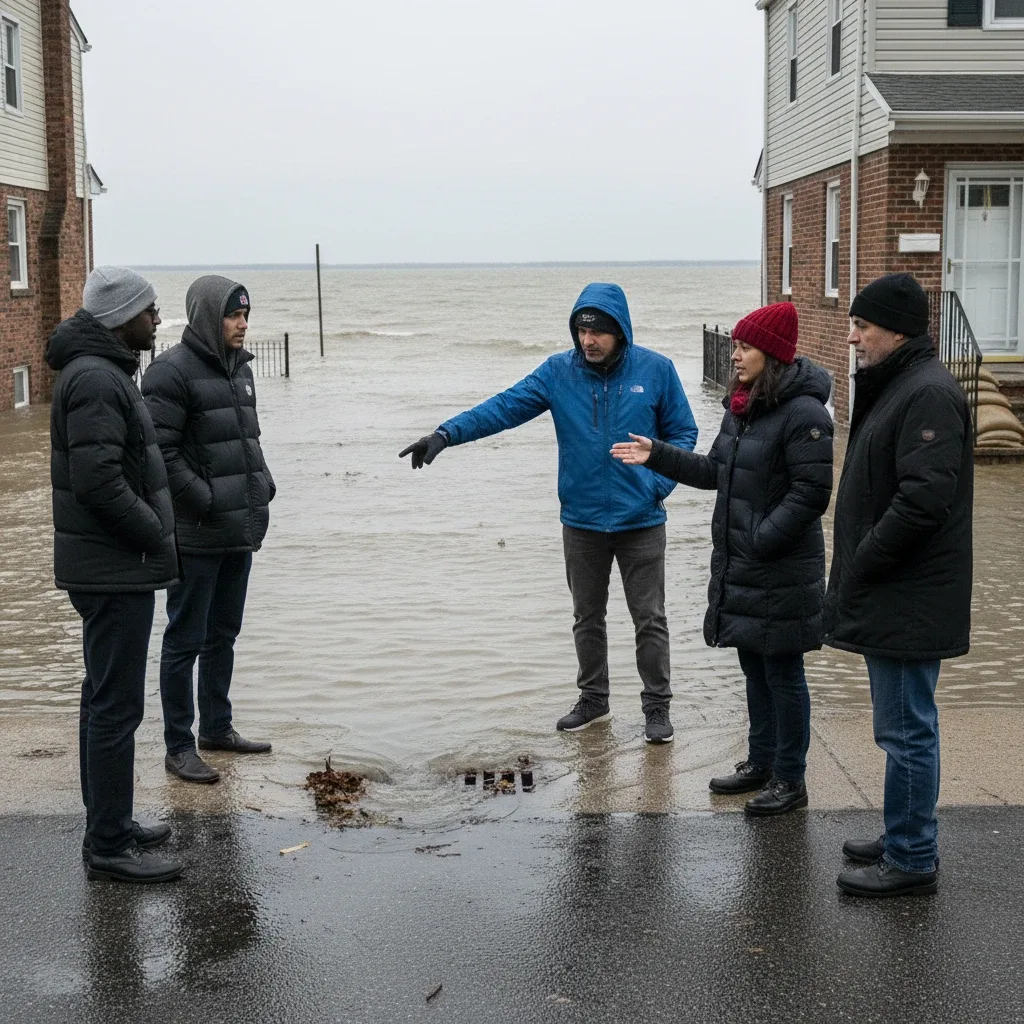
Typhoon Dolphin Triggers Mass Evacuations, Howard Beach Examines Coastal Preparedness By Newstrix | January 29, 2026 | Health & Weather NEW YORK — Typhoon Dolphin made landfall on China’s east coast with sustained winds comparable to a Category 1 hurricane, forcing mass evacuations exceeding one million people. This major weather event prompts Howard Beach residents to consider local coastal preparedness for similar severe storms. Queens Shoreline Vulnerability to Extreme Weather Events The sheer scale of the evacuation and the storm’s intensity are generating global concern about extreme weather and its growing impact on densely populated coastal regions. For residents in Howard Beach, a community familiar with coastal anxieties, this news resonates deeply. Discussions often center on checking forecasts, understanding the risks of flooding, and drawing comparisons to severe weather events that have impacted Queens in the past. This includes heavy rainfall and coastal surge. Local Conversations on Basement Flooding and Transit Reliability In local streetlevel conversations, people in Howard Beach frequently connect stories of powerful typhoons to their own experiences with basement flooding and transit reliability during severe weather. These discussions highlight ongoing concerns about the city’s infrastructure. Residents often question the readiness of New York City to handle a major storm with a similar trajectory. Concerns about subway disruptions and road closures are common whenever significant weather events occur globally. Howard Beach and the Impact of Climate Change on Coastal Regions Typhoon Dolphin’s force underscores a global trend of increasing intensity in tropical storms, often linked to climate change. Coastal communities like Howard Beach are at the forefront of experiencing these shifts, making local preparedness even more critical. Understanding the broader context of these storms informs local planning and individual household readiness. The longterm implications of rising sea levels and more frequent extreme weather are constant considerations for shoreline communities. City Planning and Infrastructure Resilience for Queens New York City has invested in infrastructure projects aimed at improving resilience against coastal flooding and storm surges following past incidents. These efforts are designed to protect communities like Howard Beach, but residents remain vigilant. Continued investment and adaptive planning are essential to safeguard the lives and property of those living along the Queens shoreline. The typhoon's impact serves as a stark reminder of the ongoing challenges in urban coastal defense. Lessons from Global Storm Events for Local Preparedness The mass evacuations seen with Typhoon Dolphin offer valuable lessons in emergency response and community mobilization. Such largescale operations emphasize the importance of clear communication channels and wellrehearsed evacuation plans. For Howard Beach, reviewing and updating local emergency protocols is a continuous process. These global events serve as benchmarks for assessing the effectiveness of local disaster management strategies, as highlighted in previous discussions on Howard Beach flooding today. Frequently Asked Questions What are the primary concerns for Howard Beach residents regarding extreme coastal weather? Howard Beach residents are most concerned about basement flooding, disruption to public transit, and the overall resilience of local infrastructure against storm surges and heavy rainfall. The community often compares current weather patterns to historical events to gauge potential impacts. How can Howard Beach residents stay informed and prepare for potential severe weather events? Residents should regularly monitor local weather forecasts from credible sources, subscribe to city emergency alerts, and have an emergency kit ready. Familiarizing themselves with their neighborhood's evacuation routes and understanding the city's coastal flood zones is also crucial for preparedness.