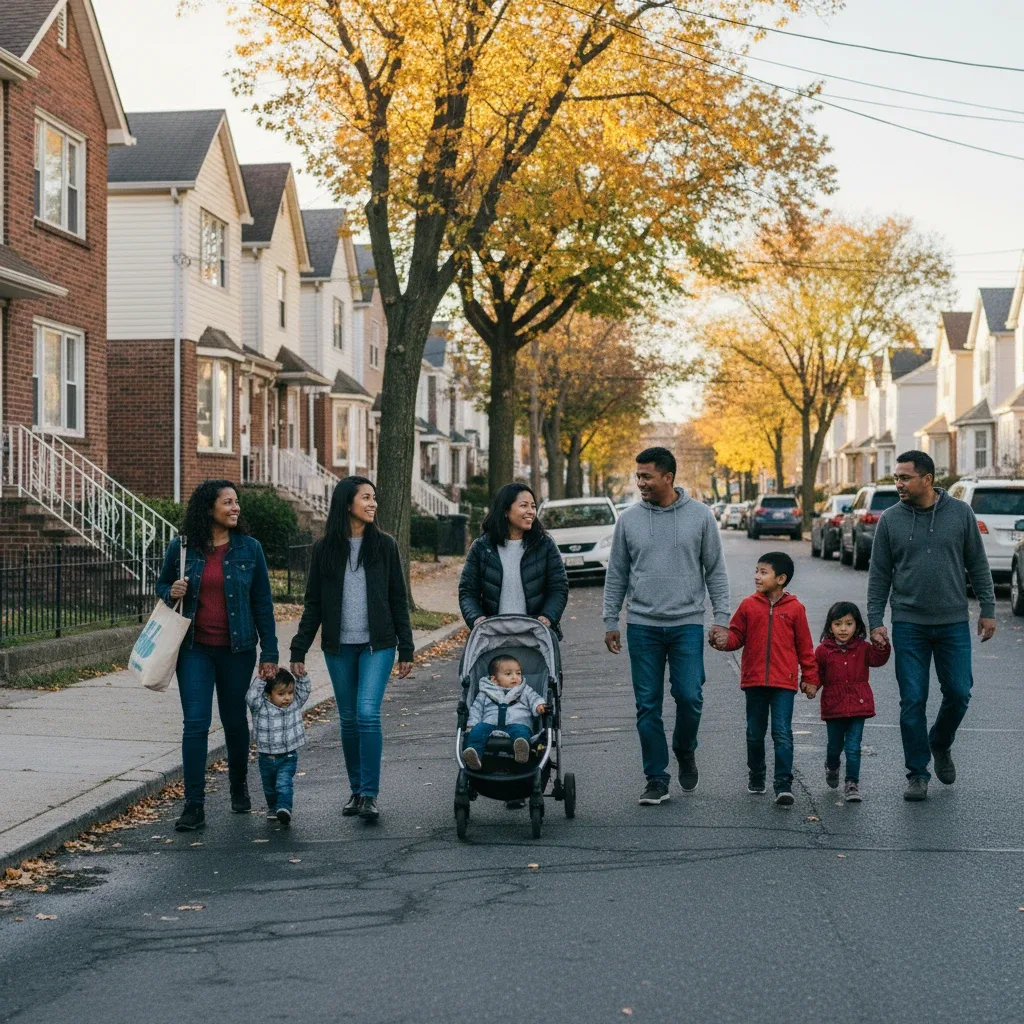
US Supreme Court Rules 63 Upholding Birthright Citizenship By Newstrix | October 26, 2026 | Government & Politics NEW YORK — The U.S. Supreme Court ruled 63 on Tuesday, October 25th, upholding birthright citizenship and rejecting a significant initiative to alter the policy, Reuters reported live. The decision invalidates a major attempt to change constitutional interpretation and impacts millions across the nation, including many families in Queens, New York. Supreme Court Affirms 14th Amendment Interpretation In a landmark 63 decision, the U.S. Supreme Court reaffirmed the longstanding interpretation of the 14th Amendment's citizenship clause. The ruling effectively blocks efforts to redefine who qualifies for birthright citizenship, ensuring that individuals born within U.S. territory remain citizens regardless of their parents' immigration status. This decision comes after years of legal debate and political maneuvering surrounding the issue, which has been a contentious point in national immigration discussions. Justice Elena Kagan penned the majority opinion, emphasizing the historical precedent and textual fidelity to the Amendment. Her opinion highlighted that altering such a foundational aspect of citizenship would require a constitutional amendment, not executive action or judicial reinterpretation. The full details of the ruling were made public Tuesday morning, with Reuters live coverage extensively covering the immediate reactions from legal scholars and political commentators. Political Ramifications for Federal Policy The Supreme Court's ruling represents a significant blow to the political factions advocating for a more restrictive interpretation of birthright citizenship. For the previous administration, attempting to alter this policy was a key initiative, and its invalidation by the high court signals the limits of executive power on constitutional matters. The decision solidifies current immigration frameworks and is expected to influence future policy debates, shifting the focus towards legislative avenues for any substantial changes to citizenship law. Political analysts suggest this ruling will energize both sides of the immigration debate, potentially leading to renewed legislative pushes in Congress. However, with the current political climate, passing constitutional amendments is notoriously difficult, making the Supreme Court’s affirmation of the status quo particularly impactful. This decision has been watched closely by communities like Howard Beach, where diverse populations frequently engage with immigration policies, and its outcome resonates with many, much like recent discussions around . Impact on Families in Howard Beach Queens The affirmation of birthright citizenship by the Supreme Court holds particular significance for diverse communities across Queens, including Howard Beach Queens. Many families in these neighborhoods are of mixed immigration status, and the security of their children's citizenship status provides crucial stability. Parents who are noncitizens can rest assured that their U.S.born children retain full constitutional rights and protections. Community advocates in Howard Beach have welcomed the decision, stating it alleviates immense anxiety for thousands of families. "This ruling brings a huge sense of relief and certainty to our community," said Maria Sanchez, director of a local immigrant support organization in Queens, during a press conference outside the Supreme Court building. "It protects the fundamental rights of children and reinforces the principles of our democracy." The ruling also means that local social services and schools can continue their operations without the added complexity of a changed citizenship landscape, preventing disruptions that would affect local families. Dissenting Opinions Highlight Conservative Stance Justice Samuel Alito authored the dissenting opinion, joined by Justices Clarence Thomas and Neil Gorsuch. The dissent argued that the original intent of the 14th Amendment, particularly the phrase "subject to the jurisdiction thereof," should be interpreted more narrowly. They contended that it was primarily intended to address the citizenship of formerly enslaved people and not necessarily to grant automatic citizenship to children of noncitizens. Their argument suggested a pathway for legislative or judicial reevaluation that the majority rejected. These dissenting arguments underscore the deep ideological divisions within the Court on matters of constitutional interpretation and immigration law. While the 63 majority effectively settled the immediate legal question, the underlying conservative viewpoints on birthright citizenship remain prominent. Future Supreme Court compositions and cases could potentially revisit these debates, though the current precedent is firmly established for the foreseeable future. The decision is now a part of the nation's legal fabric, as many national observers noted following . Lo