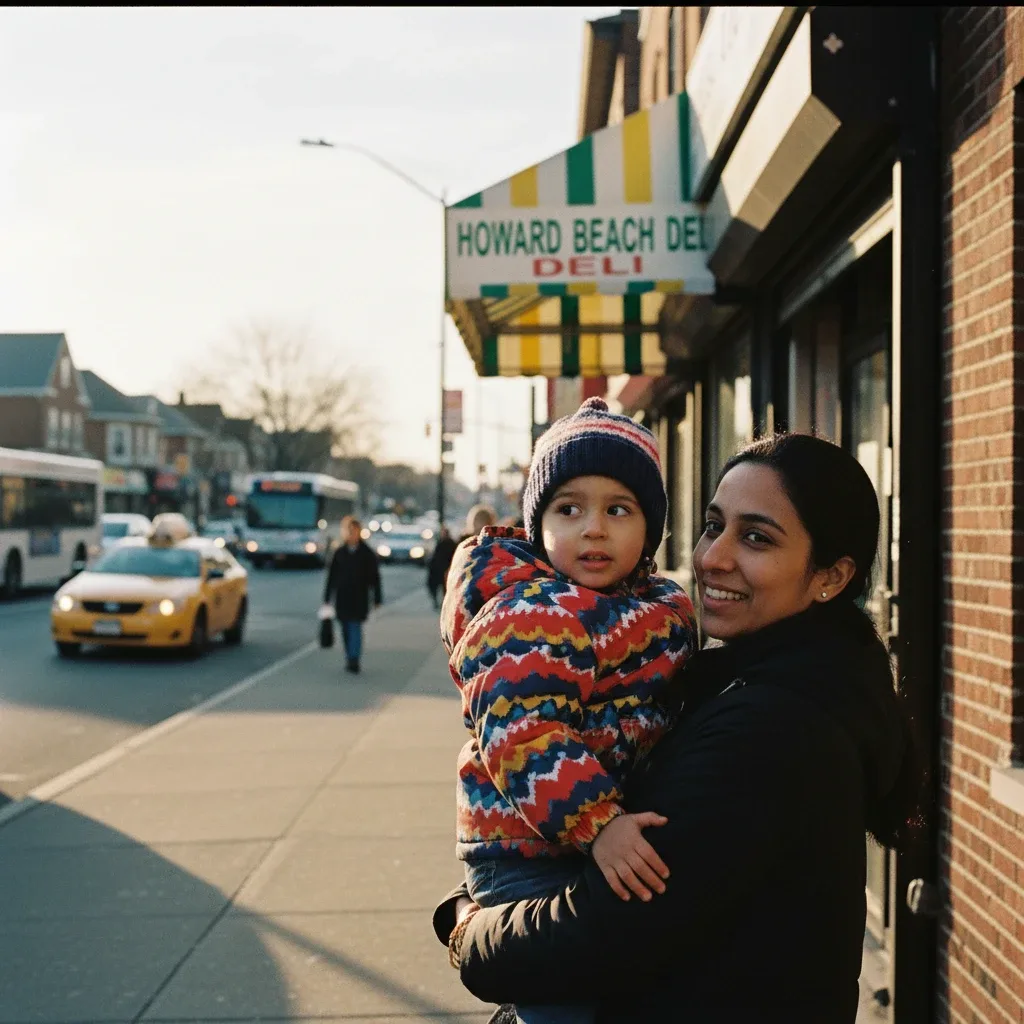
US Supreme Court Upholds Birthright Citizenship in Major 63 Ruling By Newstrix | January 15, 2026 | Government & Politics NEW YORK — The U.S. Supreme Court on Monday issued a 63 ruling that upholds birthright citizenship, blocking a major initiative proposed by former President Trump. This decision has significant implications for immigration law and constitutional politics, resonating deeply within immigrant communities across Queens, including Howard Beach. Supreme Court's Decision and Constitutional Impact The 63 decision by the Supreme Court affirms the longstanding interpretation of the 14th Amendment, which grants citizenship to nearly everyone born in the United States. Reuters reported that this ruling effectively blocks efforts to end birthright citizenship, a policy cornerstone for many immigrant families. The decision underscores the Court's commitment to existing constitutional precedents. Legal experts widely consider this ruling to be a substantial setback for those advocating for stricter immigration policies. The immediate effect is the preservation of citizenship for children born in the U.S., regardless of their parents' legal status. This maintains a crucial pathway for integration and stability for thousands of families throughout the country and in Howard Beach. Howard Beach Immigration Landscape and Family Concerns In Howard Beach, a diverse Queens neighborhood, the ruling brings a sense of relief and certainty to many families. The community has a substantial number of mixedstatus households, where some family members are citizens and others are not. For these families, the threat of ending birthright citizenship created immense anxiety and uncertainty about their children's future. Local immigration advocates and community organizers in Howard Beach have closely followed this case, understanding its potential to reshape the lives of residents. The ruling allows families to plan for their children's education and future without the looming threat of altered citizenship status. It directly impacts local schools and social services that cater to these families. Political Ramifications and Future Debates Politically, the Supreme Court's decision is expected to intensify the national debate surrounding immigration policy. While it resolves the specific question of birthright citizenship, it will likely fuel further discussions on other aspects of immigration reform. has been a consistent topic in local political discourse. Opponents of birthright citizenship, including former President Trump, have consistently argued for a reinterpretation of the 14th Amendment, asserting that it was not intended to apply to children of undocumented immigrants. However, the Court’s majority opinion firmly rejected this argument, emphasizing a textual and historical interpretation of the amendment. This could lead to new legislative battles in Congress. Community Reaction and Legal Clarity Maria Gonzalez, an immigration lawyer with offices serving Queens, expressed satisfaction with the ruling. "This decision provides muchneeded legal clarity and stability for countless families," Gonzalez said Tuesday afternoon. "It means children born here are citizens, full stop. This prevents an immense amount of potential hardship and administrative chaos that would have impacted our Howard Beach clients directly." The ruling has been a topic of discussion at community meetings and local gathering spots across Howard Beach. Residents often gather to discuss these significant legal decisions, understanding their farreaching implications for their personal lives and the broader social fabric of New York City. The sense of stability is particularly welcomed by those who have lived under uncertainty. Frequently Asked Questions What does the Supreme Court's 63 ruling mean for families in Howard Beach? The ruling upholds birthright citizenship, meaning children born in the United States are citizens, regardless of their parents' immigration status. This decision provides significant stability and relief to mixedstatus families in Howard Beach and across Queens, ensuring their children's future without legal uncertainty. Maria Gonzalez, a local immigration lawyer, highlighted the importance of this clarity for families. How might this Supreme Court decision influence future immigration debates? While the ruling definitively upholds birthright citizenship, it is likely to intensify broader political debates about immigration reform. Opponents of current immigration policies may seek other legislative avenues to restrict immigration, but the fundamental principle of birthright citizenship, as defined by the 14th Amendment, remains intact after this significant 63 vote, as reported by Reuters.