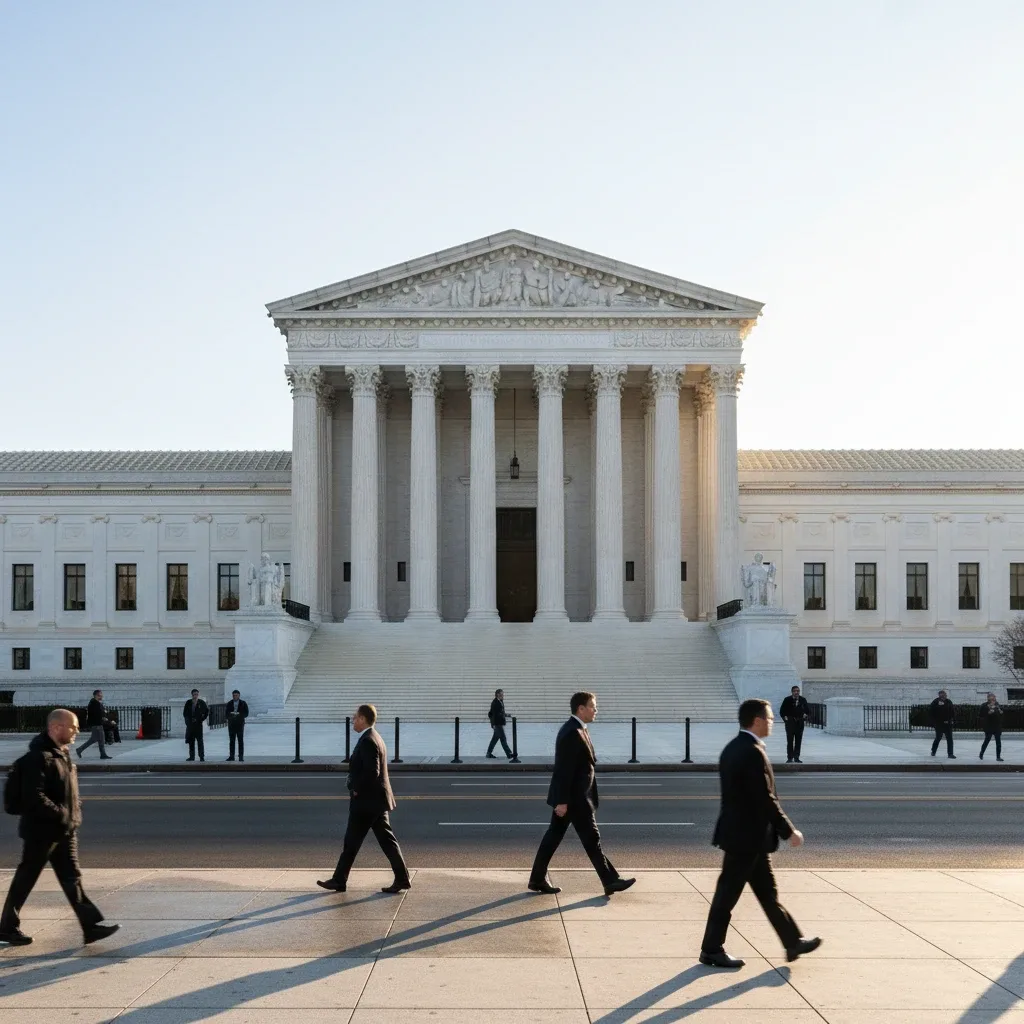
US Supreme Court Upholds Birthright Citizenship 63 Ruling By Newstrix | March 16, 2026 | Government & Politics NEW YORK — The U.S. Supreme Court issued a pivotal 63 ruling this week, upholding birthright citizenship and effectively blocking a major Trump initiative. The decision, widely reported by Reuters, immediately impacts immigration law, constitutional interpretation, and the political landscape leading into the next election cycle. Birthright Citizenship Affirmed by High Court The Supreme Court's majority opinion reaffirmed the principle of birthright citizenship, established by the 14th Amendment. This ruling ensures that individuals born in the United States, regardless of their parents' immigration status, are citizens. Justice Elena Kagan penned the majority opinion, asserting that the longstanding interpretation of the 14th Amendment remains valid. This decision directly counters efforts by some to challenge or reinterpret this foundational aspect of U.S. citizenship law, a topic often discussed by . Howard Beach Families Consider Ruling's Impact In Howard Beach, where immigration and family status are frequent topics of conversation, the Supreme Court's ruling holds particular significance. Residents are actively discussing what the decision means for children born in the U.S. and for relatives navigating the complex immigration system. Across Queens, people are weighing the decision in practical terms. "This decision provides a lot of relief for mixedstatus families here," said Maria Garcia, a community advocate in a recent interview. "It clarifies a lot of uncertainty that has been hanging over people's heads." Constitutional Interpretation and Political Fallout The 63 split in the Supreme Court highlights ongoing debates about constitutional interpretation. Conservative justices, including Clarence Thomas and Samuel Alito, dissented, arguing for a more restrictive reading of the 14th Amendment's citizenship clause. Politically, the ruling represents a significant setback for former President Trump and his allies who had sought to end birthright citizenship. It is expected to reignite immigration as a central issue in the upcoming election campaigns, with both sides leveraging the decision to rally their bases. Immigration Law Implications for Queens The ruling has immediate implications for immigration law, providing stability to current policies and legal precedents. Legal experts believe it will prevent statelevel challenges to birthright citizenship and reinforce federal authority in immigration matters. Local organizations in Queens that assist immigrants are reviewing the full text of the decision to provide updated guidance to their clients. This clarity is crucial for many families planning their futures and seeking legal status. Reshaping the Immigration Climate in Howard Beach The Supreme Court's decision will likely reshape the broader climate around immigration in Howard Beach and the entire borough. By upholding birthright citizenship, the court has sent a clear message about the legal status of individuals born on U.S. soil. This provides a degree of reassurance to many residents and impacts local schools and services that cater to diverse populations. The decision reinforces the existing legal framework, reducing legal challenges that could arise from changes to citizenship status for Americanborn children, solidifying an important aspect of . Frequently Asked Questions How does this Supreme Court ruling affect individuals currently applying for green cards or visas? The ruling primarily concerns birthright citizenship and does not directly alter the process for obtaining green cards or visas. However, by affirming the legal status of U.S.born children, it can indirectly provide more stability for families where some members are citizens and others are seeking legal residency. Are there any immediate actions Howard Beach residents should take in light of this decision? No immediate actions are required. The decision upholds existing law. However, if residents have specific immigration concerns, consulting with an immigration attorney or a reputable community legal aid service is always recommended for personalized advice.