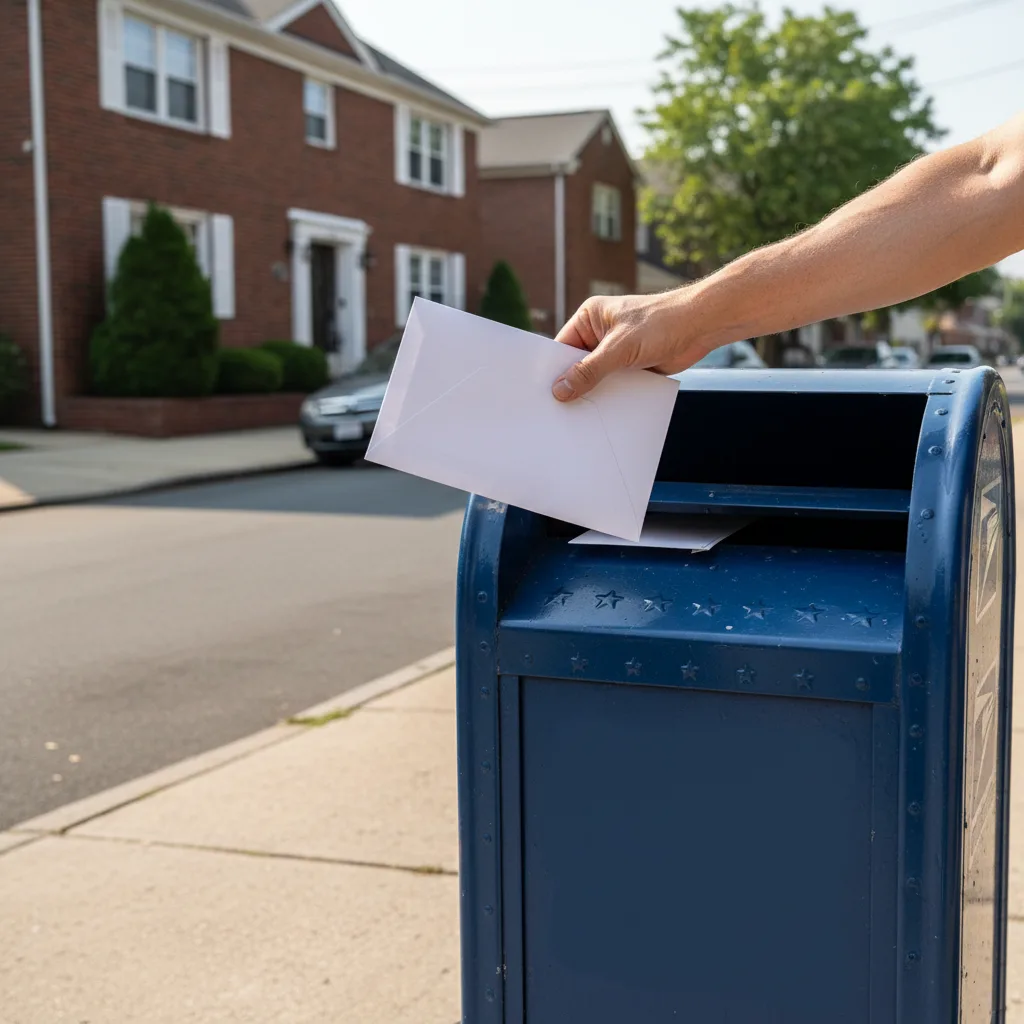
US Supreme Court Upholds MailBallot Rules Amid Midterm Election Debate By Howard Beach News Staff | September 15, 2026 | Government & Politics NEW YORK — The US Supreme Court upheld existing mailballot procedures this week, allowing states to continue using longstanding methods ahead of the midterm election cycle, a decision widely seen as a setback for efforts to restrict voting access. This ruling ensures that the familiar mailin voting practices will remain in place for the upcoming highstakes political contests. Court Blocks Efforts to Tighten Voting Access The Supreme Court's decision directly addresses attempts to tighten voting access, particularly concerning mailin ballots. The ruling prevents states from implementing new, stricter regulations on absentee voting, effectively maintaining the status quo. This outcome has garnered significant attention due to its direct impact on election rules and voter participation in a crucial election year. Euronews.com frames the decision as a major setback for strategies aimed at altering election processes, especially those advocated by former President Donald Trump. The move reinforces the legal precedent for established mailballot systems, impacting how millions of Americans will cast their votes in the 2026 midterms. This ensures continuity in voting procedures that have become commonplace. Howard Beach Reacts to MailBallot Ruling In Howard Beach, the reaction to the Supreme Court's ruling is likely to be split along the neighborhood’s established political lines, according to Euronews. Some residents will likely view the decision as a victory for ballot access and voter convenience, enabling broader participation in the democratic process. Others may express concerns regarding election integrity, echoing national debates over mailin voting security. The topic of mail voting is a familiar and widely discussed subject within civic groups and communityboard conversations across Queens. Residents often debate the ruling's implications for voter turnout and the overall fairness of elections. The decision is the kind of issue that quickly becomes a talking point in local political club debates, reflecting diverse viewpoints within the community. National Impact on Midterm Election Strategies Nationally, the Supreme Court's ruling will significantly influence how political campaigns and parties approach the midterm elections. Campaigns that rely heavily on mailin voter outreach can continue with their established strategies without needing to adapt to new restrictions. This stability in voting procedures allows for more predictable campaign planning and resource allocation. Conversely, groups that have pushed for stricter voting laws will need to reevaluate their approaches, as a key avenue for their reform efforts has been closed by the high court. The decision highlights the ongoing tension between expanding voter access and concerns about election security, issues that remain central to the American political discourse. The ruling could shape voter turnout in key battleground states. Historical Context of MailIn Voting Debates Mailin voting has a long history in the United States, particularly for military personnel and citizens living abroad. However, its widespread adoption expanded dramatically during the COVID19 pandemic, leading to increased scrutiny and partisan debate. The legal challenges surrounding mail ballots have become a central feature of election litigation in recent years. Prior to the pandemic, several states already conducted elections primarily by mail, demonstrating the feasibility and reliability of the method. The Supreme Court's latest ruling builds upon this historical context, affirming the validity of these established systems. This provides a measure of stability in an otherwise turbulent political environment surrounding elections. Future of Voting Rights and Access The Supreme Court's decision is part of a larger, ongoing national conversation about voting rights and access. Advocates for voting rights see the ruling as a positive step towards ensuring all eligible citizens can exercise their right to vote without undue burdens. They emphasize the importance of accessible voting methods for diverse populations, including the elderly, disabled, and those with work commitments. However, debates over election security and the integrity of the voting process are likely to continue. The ruling may shift the focus of future legal challenges and legislative efforts to other aspects of election administration. The political climate remains charged, with both sides closely monitoring judicial decisions that shape the future of American democracy. Frequently Asked Questions What did the US Supreme Court rule regarding mail ballots this week? The US Supreme Court ruled this week to uphold existing mailballot procedures, allowing states to continue using longstanding methods and blocking efforts to impose new restrictions ahead of the m