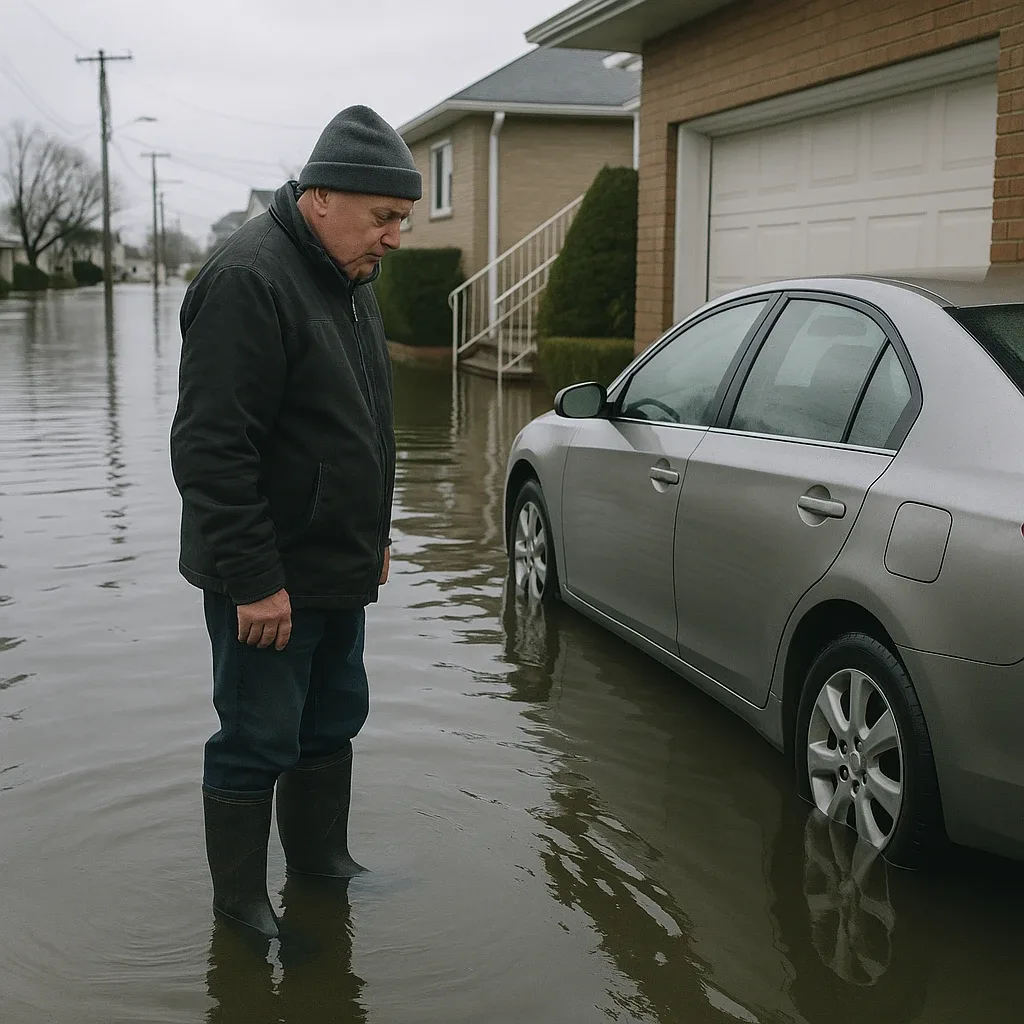
Weather Howard Beach Queens Outfalls Blocked by Tidal Surge Water By Newstrix | February 16, 2026 | Health & Weather NEW YORK — "The water rose so quickly that we didn't even have time to move our cars to higher ground on Cross Bay Boulevard," Old Howard Beach homeowner Frank DeVito said Friday. DeVito’s garage was inundated by over two feet of water when high tides pushed Jamaica Bay over its natural boundaries, according to the Queens Daily Eagle. LowLying Basins Overflow Across South Queens The rising waters from the surrounding basins flooded directly into the streets and residential properties of Old Howard Beach and Hamilton Beach. The lowlying geography of the peninsula makes the area highly susceptible to these regular tidal shifts. City emergency crews were dispatched to clear debris from clogged outfall sewers that were preventing the backflow of water. According to the , the drainage systems were overwhelmed by the sheer volume of the incoming tide. Municipal Infrastructure Projects and Pumping Stations Local civic associations are renewing their demands for the installation of highcapacity pump stations along the basin edge. These residents argue that standard gravitybased drainage is no longer sufficient to handle peak hightide events. "We are coordinating with the Army Corps of Engineers to fasttrack backflow preventer installations on our most vulnerable street outfalls," Department of Environmental Protection Commissioner Rohit Aggarwala said Thursday. Aggarwala added that the city is currently assessing the structural integrity of the local bulkheads. Environmental Impact on LowLying Residences The persistent saltwater intrusion is causing structural damage to residential foundations and local vegetation along the canal edges. Property owners are reporting accelerated corrosion on metal fences and outdoor utilities. Many residents have invested thousands of dollars in private flood mitigation systems to protect their investments. These individual efforts are becoming increasingly common as homeowners cope with during hightide cycles. Historical Context of Coastal Flooding in New York This lowlying coastal community has battled tidal inundation for over a century due to its unique position within Jamaica Bay. However, rising sea levels have increased the frequency of these floods from occasional storm events to twicemonthly occurrences. Local historians point out that many of the original homes were built as summer cottages without elevated foundations. Today, modern building codes require new constructions to be elevated significantly above the base flood elevation. Community Advocacy and Infrastructure Funding Requests Civic leaders are organizing a virtual town hall to gather resident feedback on the city’s proposed coastal protection plan. This feedback will be presented to federal representatives to secure additional infrastructure grants. Residents are pushing for a comprehensive dredging project to clear sediment from the mouth of the local basins. This clearing would allow water to recede more quickly after high tides, reducing the duration of street flooding. Frequently Asked Questions How does salt water affect residential building foundations over time? Persistent exposure to salt water accelerates the degradation of concrete foundations and corrodes structural steel reinforcement bars. Homeowners should apply commercialgrade waterproof sealants to exposed foundation walls and ensure proper drainage away from their homes. When are tidal flood conditions expected to ease in the area? Floodwaters typically recede within two hours after peak high tide, depending on local wind patterns and drainage pipe capacity. Strong southerly winds can delay drainage by pushing bay water back into the coastal outfalls.