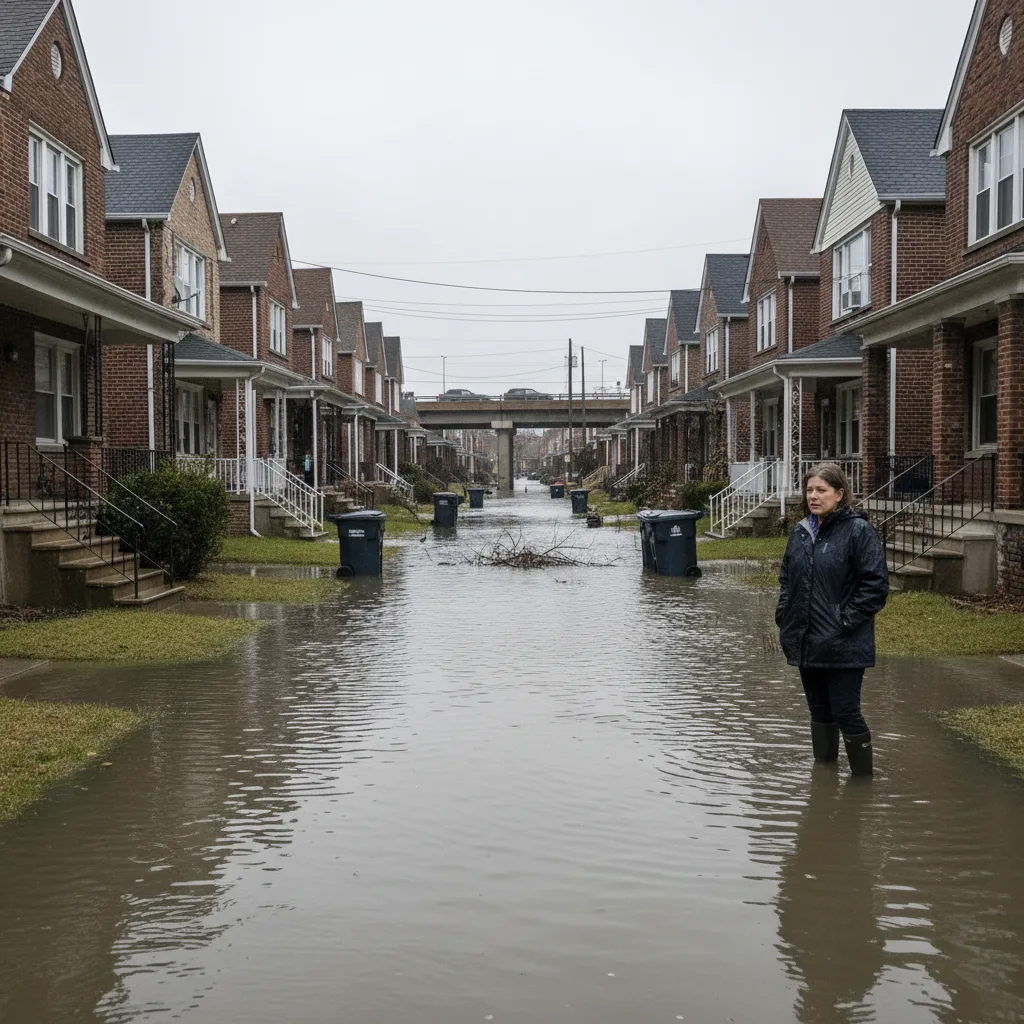
What to Know About Tidal Flooding in Howard Beach and Lindenwood By Howard Beach News Staff | August 30, 2026 | Environment Howard Beach and Lindenwood residents frequently experience tidal flooding, a phenomenon where elevated sea levels, often influenced by lunar cycles and coastal storms, cause water to inundate streets and lowlying areas. Understanding the causes, preparing for, and mitigating the effects of this persistent issue is crucial for protecting homes and ensuring community safety. This guide provides essential information for residents in these Queens neighborhoods. Understanding Why Howard Beach and Lindenwood Flood Tidal flooding, often referred to as 'nuisance' or 'sunny day' flooding, is a growing concern in coastal communities like Howard Beach and Lindenwood. Unlike storm surges caused by major hurricanes, tidal flooding occurs with relative regularity, even on clear days. The primary drivers are astronomical high tides, which are becoming more impactful due to rising sea levels. The proximity of these Queens neighborhoods to Jamaica Bay makes them particularly vulnerable. As global sea levels continue to climb, even normal high tides can push water inland, overwhelming drainage systems and leading to street inundation. Local topography also plays a significant role. Many areas in Howard Beach and Lindenwood are built on lowlying land, some of which was historically marshland. This makes them susceptible to water accumulation during high tide events. Furthermore, the extensive network of canals and waterways connecting to Jamaica Bay acts as conduits for the rising water, allowing it to penetrate deeper into residential areas. For example, areas in Old Howard Beach and Hamilton Beach often see water levels rise significantly. We've previously reported on , highlighting the regular occurrence of these events. How to Prepare for Tidal Flooding Events Preparing for tidal flooding is key to minimizing damage and disruption in Howard Beach and Lindenwood. Residents should stay informed about tide forecasts and weather alerts. Several resources, including NOAA and local news outlets, provide detailed tide charts and warnings for coastal areas. Creating a household emergency plan, which includes identifying evacuation routes and having an emergency kit, is a vital first step. These kits should contain essentials like water, nonperishable food, flashlights, batteries, and important documents. Protecting Your Property from Howard Beach Tidal Flooding Property protection is paramount. Consider elevating critical utilities like electrical panels and HVAC systems if they are in vulnerable locations. Installing backflow preventers in sewer lines can help stop floodwater from entering your home through plumbing. For immediate protection during a predicted flood, using sandbags around doors and vulnerable entry points can be effective. However, for persistent issues, more robust solutions such as flood barriers or even elevating your home (if feasible) might be necessary. Keeping valuable items and important documents stored in higher places or in waterproof containers is also a smart practice. Given that , proactive measures are essential. Navigating Flooded Streets and Safety Measures During and immediately after tidal flooding, safety should be your top priority. Never drive or walk through flooded streets. Even a few inches of moving water can sweep a vehicle away, and floodwaters can conceal dangerous debris, open manholes, or downed power lines. If you must travel, seek alternate routes or delay your journey until the water recedes. Remember the adage: "Turn around, don't drown." Electrical safety is another critical concern. If your home has been flooded, do not enter until a qualified electrician has inspected the electrical system and deemed it safe. Downed power lines can energize floodwaters, creating a lifethreatening hazard. Be aware of potential hazards from contaminated water, which can carry bacteria and other pathogens. Always wear protective gear, such as gloves and boots, if you must come into contact with floodwater during cleanup. Even though Lindenwood recently battled a , fire hazards can also increase in flooded areas due to damaged electrical systems. Resources and Community Support for Howard Beach Residents Staying informed and connected with community resources is crucial for managing tidal flooding in Howard Beach and Lindenwood. Local government agencies, such as the NYC Office of Emergency Management (OEM) and the Department of Environmental Protection (DEP), offer information, programs, and alerts. Sign up for NYC Emergency Management's Notify NYC system to receive realtime alerts about flooding and other emergencies in your area. Community organizations often play a vital role in disseminating information and organizing support. Attend local community board meetings or civic association gatherings to stay updated on proposed flood mitigation projects and share con