


Iran Rejects US Response for Peace Negotiation Restart on Hormuz 2026

NEW YORK — Iran’s security chief reportedly stated on November 4, 2026, that the U.S. response did not meet Tehran’s demands for reopening the Strait of Hormuz and restarting peace talks, according to SBS News. The dispute is drawing international attention due to the waterway's strategic importance.
Iran's Stance on Strait of Hormuz Reopening
Iranian officials have expressed clear dissatisfaction with the latest U.S. diplomatic overtures. Tehran's demands for reopening the Strait of Hormuz, a critical global shipping lane for oil, remain unmet. This impasse maintains geopolitical tensions in the Persian Gulf region.
The security chief's statement indicated a firm commitment to Iran's established conditions for de-escalation and negotiation. Without a satisfactory U.S. response, the strait's status remains a point of contention and potential flashpoint.
Strategic Importance of the Strait of Hormuz
The Strait of Hormuz is one of the world's most vital maritime chokepoints, through which a significant portion of global oil supplies passes daily. Its closure or disruption would have severe implications for international energy markets and the global economy.
Control over the strait gives Iran significant leverage in international negotiations and regional power dynamics. The ongoing dispute highlights the delicate balance of power and interests in the Middle East, with global repercussions.
Conditions for Restarting Peace Negotiations
Tehran has consistently outlined specific conditions for re-engaging in peace talks with the U.S. While the precise details of these demands are often subject to diplomatic nuances, they generally revolve around sanctions relief, security guarantees, and recognition of Iran's regional influence.
The U.S.'s failure to meet these conditions, as perceived by Iran, continues to stall diplomatic progress. Both sides appear entrenched in their positions, making a breakthrough in negotiations challenging in the short term.
Risk of Renewed Regional Confrontation
The ongoing impasse carries a significant risk of renewed regional confrontation. The Strait of Hormuz has been the site of past naval incidents and heightened military activity, underscoring its volatility. Any miscalculation could quickly escalate tensions.
Global powers are closely monitoring the situation, as a major conflict in the Persian Gulf would destabilize the entire region and potentially draw in other international actors. The precariousness of the situation calls for cautious diplomacy from all parties.
International Efforts for De-escalation
Various international actors, including European powers and regional neighbors, have attempted to mediate between the U.S. and Iran. While these efforts aim to de-escalate tensions and facilitate dialogue, a definitive resolution remains elusive.
Diplomatic channels often remain open, even when public statements indicate a stalemate. The international community recognizes the imperative to prevent an escalation that could have far-reaching economic and security consequences globally.
Impact on Howard Beach and Global Energy Markets
While geographically distant, geopolitical tensions surrounding critical chokepoints like the Strait of Hormuz can have indirect impacts even on communities like Howard Beach. Disruptions in oil supply can lead to increased gasoline prices, affecting local commuters and businesses. These types of international developments often have a ripple effect on global energy markets, which can then be felt locally, similar to how cyberattacks on emergency alert apps spark global concern.
Frequently Asked Questions
Why is the Strait of Hormuz so strategically important to global trade?
The Strait of Hormuz is strategically important because it is the only sea passage from the Persian Gulf to the open ocean, making it a critical chokepoint for global oil shipments. Approximately one-fifth of the world's total petroleum consumption passes through this strait, making its security vital for international energy markets and the global economy.
What are typical demands made by Iran for restarting peace negotiations with the U.S.?
Typical demands made by Iran for restarting peace negotiations with the U.S. often include the lifting of economic sanctions, guarantees against future U.S. withdrawal from international agreements, and recognition of its regional security interests. Iran also frequently calls for an end to perceived U.S. interference in its internal affairs and broader regional policies.
Written by
Howard Beach News Staff
Howard Beach News
Related Articles
More in National & World →
Turkey Steel Plant Explosion Kills 16 in Izmir Province November 10
An explosion at a steel plant in Izmir, Turkey, killed 16 people on November 10, 2026. Authorities are investigating the cause and potential negligence.

France Blames Iran for Supermarket Refrigerator Cyberattack, Seeks EU Sanctions
France blames Iran’s Revolutionary Guard for a cyberattack on supermarket refrigerators and will seek EU sanctions. This marks an escalation in cyber tensions.
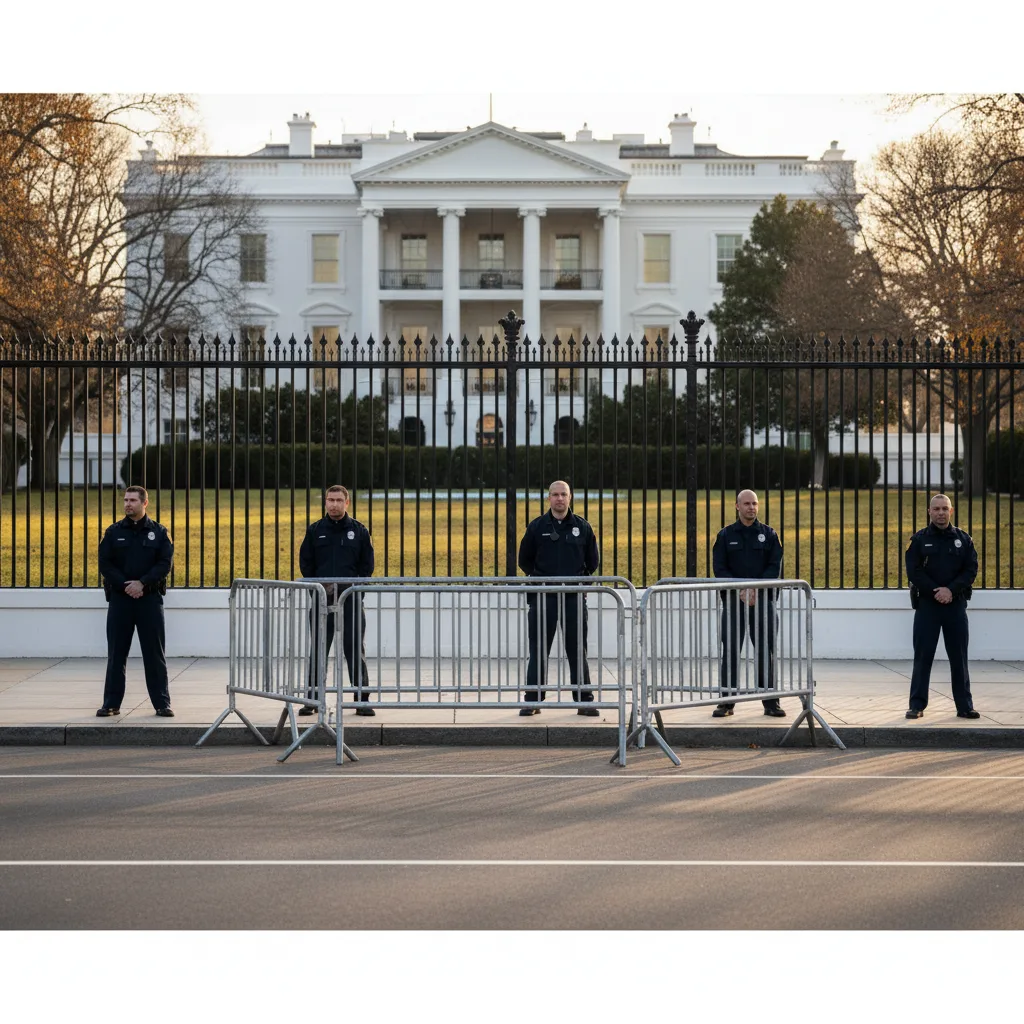
Trump Raises Election Fraud Claims as White House Briefly Locks Down November 10
Donald Trump questioned midterm election fairness on November 10, 2026, as the White House briefly locked down due to a vehicle crash and security breach. Political tensions rise.
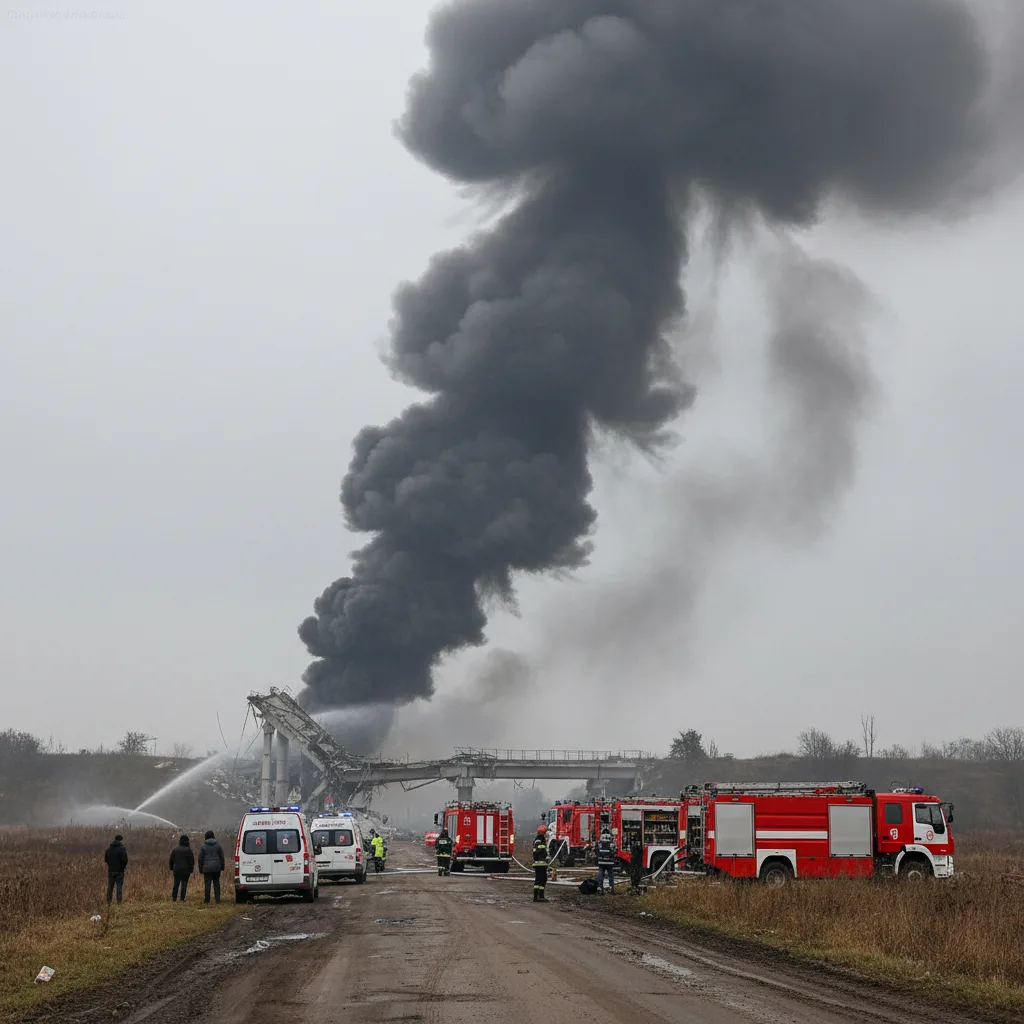
Missile Strikes Hit Kyiv Region Ahead of Critical Talks November 2026
Missile strikes hit the Kyiv region on November 7, 2026, injuring five and damaging infrastructure, ahead of Russia-Ukraine-US talks. Global attention focuses on peace prospects.

MTA Renews Far Rockaway A Line Stations on November 12, 2026
The MTA repainted, relit, and repaired three A line stations in Far Rockaway on November 12, 2026.

Howard Beach Faces Heavy Rain and Flooding Risk November 12, 2026
Howard Beach faces heavy rain and a 100% chance of precipitation on November 12, 2026, with localized flooding possible.